Hailey Morgan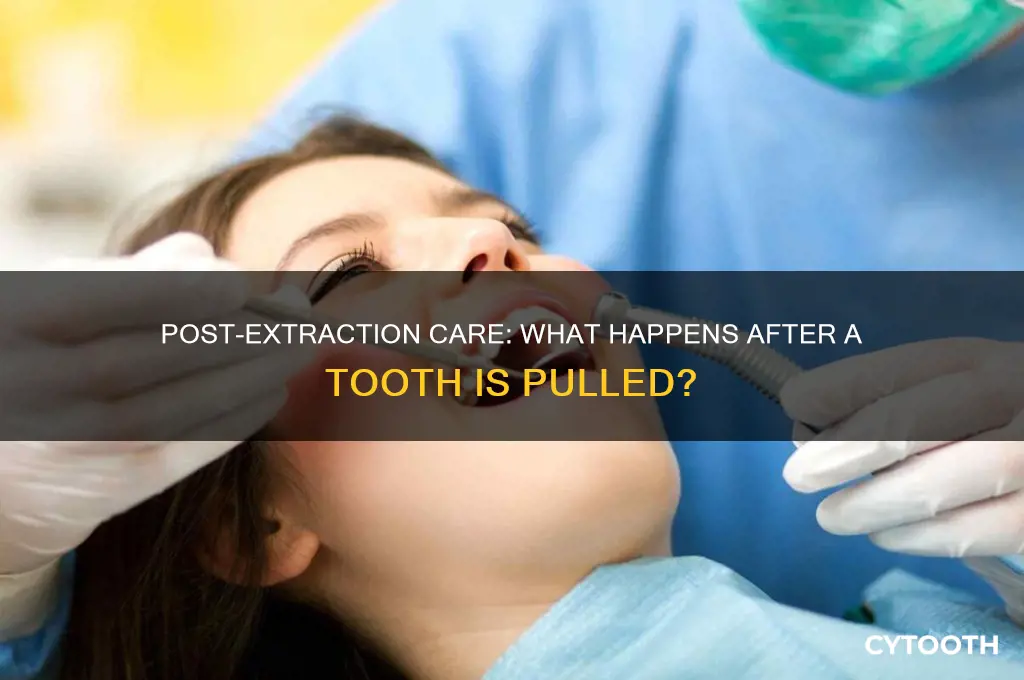
After a tooth is extracted, the immediate focus shifts to ensuring proper healing and preventing complications. The dentist or oral surgeon will place a gauze pack over the extraction site to control bleeding and encourage a blood clot to form, which is crucial for healing. Patients are typically advised to bite down gently on the gauze for about 30–45 minutes and avoid disturbing the clot by refraining from rinsing, spitting, or using straws for the first 24 hours. Pain management is addressed with over-the-counter or prescribed medications, and cold compresses can reduce swelling. Following the procedure, patients should stick to soft foods, maintain oral hygiene carefully around the extraction site, and avoid smoking or strenuous activities to promote a smooth recovery. Regular follow-up care may be recommended to monitor healing and address any concerns.
| Characteristics | Values |
|---|---|
| Immediate Post-Extraction Care | Apply gauze to control bleeding; bite down gently for 30–45 minutes. |
| Pain Management | Prescribe pain relievers (e.g., ibuprofen, acetaminophen) or narcotics. |
| Swelling Reduction | Recommend cold compresses for 24–48 hours. |
| Oral Hygiene Instructions | Avoid brushing near the extraction site for 24 hours; rinse gently with warm salt water after 24 hours. |
| Dietary Restrictions | Consume soft foods (e.g., yogurt, soup) and avoid hot, spicy, or hard foods for a few days. |
| Activity Limitations | Avoid strenuous activities, smoking, and alcohol for 48–72 hours. |
| Dry Socket Prevention | Instruct patients to avoid using straws, spitting forcefully, or touching the wound. |
| Follow-Up Care | Schedule a follow-up appointment to monitor healing and remove stitches if necessary. |
| Antibiotics | Prescribe antibiotics if there’s a risk of infection. |
| Blood Clot Protection | Emphasize the importance of protecting the blood clot in the socket to prevent dry socket. |
| Healing Timeline | Initial healing takes 1–2 weeks; complete healing of the socket may take 3–4 months. |
What You'll Learn
- Cleaning the Socket: Removing debris, irrigating the area to prevent infection and promote healing
- Controlling Bleeding: Applying gauze pressure to stop bleeding and form a blood clot
- Pain Management: Prescribing medications or recommending over-the-counter options for post-extraction discomfort
- Swelling Reduction: Using ice packs and anti-inflammatory drugs to minimize facial swelling
- Follow-Up Care: Scheduling check-ups to monitor healing and address complications if they arise

Cleaning the Socket: Removing debris, irrigating the area to prevent infection and promote healing
After a tooth extraction, the socket—the hollow space left in the bone where the tooth once was—becomes a critical area for post-operative care. Immediate attention to cleaning this site is paramount to prevent complications such as infection, dry socket, or delayed healing. The process begins with the removal of any debris, including blood clots, food particles, or remnants of the extraction procedure. This step is often performed by the dentist or oral surgeon immediately after the tooth is pulled, using sterile instruments to ensure the area is as clean as possible before the patient leaves the clinic.
Irrigation of the socket is the next crucial step, typically introduced a day or two after the extraction, once the initial blood clot has stabilized. This involves gently rinsing the area with a saline solution or a prescribed antimicrobial mouthwash. For adults, a common recommendation is to mix ½ teaspoon of salt in 8 ounces of warm water for a homemade saline rinse. Children over the age of 6 can use a quarter of this dosage, while younger children should avoid irrigating the socket unless specifically instructed by a dentist. The goal is to flush out bacteria and food particles without disturbing the clot, which is essential for proper healing.
The technique for irrigating the socket is as important as the solution used. Patients are advised to use a syringe (often provided by the dentist) with a curved tip to direct the flow of liquid into the socket. A gentle, controlled pressure is key—too forceful a stream can dislodge the clot, leading to a painful condition known as dry socket. For the first week post-extraction, irrigation should be done after meals and before bedtime to maintain cleanliness. Over-the-counter oral irrigators, like Waterpik, should be avoided during this period, as their high pressure can be detrimental.
Comparatively, while cleaning the socket is a universal step in post-extraction care, the approach varies based on the type of extraction and the patient’s overall health. For instance, patients with compromised immune systems or those who have undergone surgical extractions may require stronger antimicrobial solutions or more frequent irrigation. Dentists often tailor these instructions, emphasizing the importance of adhering to personalized guidelines to ensure optimal healing.
In conclusion, cleaning the socket through debris removal and irrigation is a delicate balance of thoroughness and caution. It’s a proactive measure that significantly reduces the risk of infection and promotes faster, smoother healing. By following specific techniques and dosages, patients can actively contribute to their recovery, turning a potentially complicated process into a manageable routine. This step, though simple, underscores the importance of meticulous post-operative care in oral health.
How Much Does a Tooth Extraction Cost at the Dentist?
You may want to see also
Controlling Bleeding: Applying gauze pressure to stop bleeding and form a blood clot
After a tooth extraction, the immediate concern is managing the bleeding to ensure proper healing. The body’s natural response is to form a blood clot in the empty socket, which protects the underlying bone and nerves. However, excessive bleeding or dislodging this clot can lead to a painful condition called dry socket. Applying gauze pressure is the first line of defense in this critical process.
Steps to Apply Gauze Pressure Effectively:
- Place a Clean Gauze Pad: Fold a sterile gauze pad into a small square and position it directly over the extraction site. Avoid using tissues or cotton balls, as they can leave fibers behind.
- Apply Firm, Steady Pressure: Bite down gently but firmly on the gauze. This pressure helps constrict blood vessels and encourages clot formation. Use your jaw muscles rather than your fingers to maintain consistent pressure.
- Hold for 30–45 Minutes: Keep the gauze in place without checking or changing it during this time. Frequent disruption can prevent clotting. If bleeding soaks through, add another gauze pad on top without removing the first one.
- Repeat if Necessary: If bleeding persists after the first 45 minutes, replace the gauze and hold for another 30 minutes. Persistent bleeding beyond this point warrants contacting your dentist.
Cautions and Practical Tips:
- Avoid rinsing, spitting, or using a straw for the first 24 hours, as these actions can dislodge the clot.
- Refrain from touching the extraction site with your tongue or fingers, as this can introduce bacteria or disturb the clot.
- Elevate your head slightly while resting to reduce blood flow to the area and minimize bleeding.
- For children or anxious patients, explain the process calmly and emphasize the importance of keeping the gauze in place.
Why Gauze Pressure Works:
The mechanism behind gauze pressure is simple yet effective. By compressing the blood vessels in the gum tissue, it reduces blood flow to the site, allowing platelets and clotting factors to concentrate and form a stable clot. This clot acts as a protective barrier, preventing infection and promoting tissue regeneration. Without proper pressure, bleeding may continue, delaying healing and increasing the risk of complications.
Applying gauze pressure after a tooth extraction is a straightforward yet crucial step in post-operative care. It empowers patients to take an active role in their recovery, ensuring the body can heal efficiently. By following these steps and precautions, you can minimize bleeding, protect the blood clot, and set the stage for a smooth and complication-free recovery.
Curt Lemon's Tooth Extraction: Which Chapter Reveals the Painful Scene?
You may want to see also
Pain Management: Prescribing medications or recommending over-the-counter options for post-extraction discomfort
After a tooth extraction, managing pain effectively is crucial for patient comfort and recovery. Dentists and oral surgeons often prescribe medications or recommend over-the-counter (OTC) options tailored to the individual’s needs. Prescription medications, such as opioids (e.g., hydrocodone or oxycodone), are typically reserved for severe pain due to their potential for addiction and side effects. Non-steroidal anti-inflammatory drugs (NSAIDs) like ibuprofen (600–800 mg every 6–8 hours) or naproxen (500 mg every 12 hours) are commonly prescribed for moderate pain, as they reduce inflammation and discomfort effectively. Acetaminophen (500–1000 mg every 4–6 hours) is another option, especially for those who cannot tolerate NSAIDs, though it lacks anti-inflammatory properties.
For patients seeking OTC solutions, ibuprofen (200–400 mg every 4–6 hours) and acetaminophen (650 mg every 4–6 hours) are widely accessible and effective for mild to moderate pain. Combining these medications (e.g., alternating ibuprofen and acetaminophen every 3 hours) can provide enhanced relief without exceeding safe dosage limits. Topical numbing gels containing benzocaine can also offer temporary relief for localized discomfort, though they should be used cautiously, especially in children under 2, due to the risk of methemoglobinemia. Always follow the recommended dosages and consult a healthcare provider if pain persists or worsens.
Age and medical history play a critical role in pain management decisions. For children and adolescents, opioids are generally avoided due to safety concerns, and NSAIDs or acetaminophen are preferred. Pregnant or breastfeeding individuals should consult their healthcare provider before taking any medication, as some options may pose risks. Patients with kidney disease, gastrointestinal issues, or allergies to specific medications require personalized recommendations to avoid complications. Clear communication with the dentist or pharmacist ensures the chosen pain management strategy aligns with the patient’s overall health.
Practical tips can enhance the effectiveness of pain management. Applying a cold compress to the cheek for 20 minutes on, then 20 minutes off, during the first 24–48 hours reduces swelling and numbs the area. Avoiding hot liquids, hard foods, and strenuous activity minimizes irritation to the extraction site. Staying hydrated and maintaining a soft diet supports healing while reducing discomfort. If pain medication causes stomach upset, taking it with food or opting for enteric-coated formulations can help. Monitoring for signs of infection, such as increased pain, fever, or pus, is essential, as these may require medical attention.
In conclusion, effective post-extraction pain management relies on a combination of appropriate medications, patient-specific considerations, and practical self-care measures. Whether prescribed or OTC, medications should be used judiciously, following guidelines for dosage and duration. By addressing pain proactively and comprehensively, patients can achieve greater comfort and focus on the healing process, ensuring a smoother recovery after a tooth extraction.
Soft and Soothing Foods to Eat After a Tooth Extraction
You may want to see also
Swelling Reduction: Using ice packs and anti-inflammatory drugs to minimize facial swelling
Facial swelling after a tooth extraction is a common concern, often peaking within the first 48 hours. This natural response to trauma can be both uncomfortable and visually noticeable. Fortunately, a combination of ice packs and anti-inflammatory medications offers an effective strategy to minimize swelling, promoting faster recovery and greater comfort.
Ice therapy, a cornerstone of post-extraction care, works by constricting blood vessels, reducing blood flow to the affected area, and limiting inflammation. For optimal results, apply an ice pack wrapped in a thin cloth to the cheek near the extraction site for 20 minutes on, followed by 20 minutes off, during the first 24 hours. This cyclical approach maximizes the anti-inflammatory benefits while preventing tissue damage from prolonged cold exposure.
Anti-inflammatory medications, such as ibuprofen (e.g., Advil, Motrin), complement ice therapy by targeting the body’s inflammatory response at a systemic level. For adults, a typical dosage is 400–600 mg every 6 hours, as needed for pain and swelling. It’s crucial to follow the recommended dosage and consult a healthcare provider if you have underlying conditions like gastrointestinal issues or cardiovascular concerns. For children, acetaminophen (e.g., Tylenol) is often preferred, as ibuprofen may not be suitable for all age groups. Always consult a dentist or pediatrician for age-appropriate dosing.
Combining these methods—ice packs for localized relief and anti-inflammatory drugs for systemic control—creates a synergistic effect, significantly reducing swelling and discomfort. However, be mindful of potential side effects: prolonged ice application can cause skin irritation, while overuse of anti-inflammatory medications may lead to stomach upset or other complications. If swelling persists or worsens despite these measures, seek immediate dental attention, as it could indicate an infection or other complications.
Practical tips enhance the effectiveness of this approach: keep ice packs ready in the freezer before the procedure, and stock up on over-the-counter anti-inflammatory medications. Elevating your head while resting can also aid in reducing swelling by promoting fluid drainage. By proactively managing swelling, patients can navigate the post-extraction period with greater ease, ensuring a smoother and more comfortable recovery.
Post-Extraction Diet: Soft, Nutritious Foods to Eat After a Tooth Extraction
You may want to see also
Follow-Up Care: Scheduling check-ups to monitor healing and address complications if they arise
After a tooth extraction, the body’s natural healing process begins immediately, but it’s not always a linear journey. Swelling, pain, and even infection can complicate recovery, making follow-up care essential. Dentists typically schedule a check-up within 7 to 10 days post-extraction to assess the socket’s healing, ensure no debris or infection is present, and address any patient concerns. This proactive approach allows for early intervention if complications arise, reducing the risk of long-term issues like dry socket or prolonged discomfort.
Consider the check-up as a safety net. During the appointment, the dentist examines the extraction site for signs of abnormal healing, such as persistent bleeding, pus, or unusual swelling. They may also clean the area gently to remove any trapped food particles or debris that could hinder recovery. For patients who underwent complex extractions or have underlying health conditions (e.g., diabetes or immunocompromised states), more frequent monitoring may be necessary. This tailored approach ensures that healing stays on track and complications are caught before they escalate.
Practical tips for patients between extractions and follow-ups include maintaining a soft diet, avoiding strenuous activity for 48–72 hours, and rinsing gently with warm salt water after 24 hours. If symptoms like severe pain, fever, or foul-smelling discharge occur, contact the dentist immediately—these could indicate infection or dry socket, which often requires professional treatment. Adhering to post-extraction instructions and attending scheduled check-ups significantly improves outcomes, turning a potentially stressful experience into a smooth recovery.
Comparing follow-up care to other post-surgical protocols highlights its importance. Just as stitches are monitored after a skin procedure, the extraction site needs oversight to ensure proper tissue regeneration. Skipping check-ups might save time initially but could lead to costly and painful complications later. Think of it as investing in your oral health—a small effort now prevents bigger problems down the line. By prioritizing follow-up care, patients not only safeguard their healing but also build a partnership with their dentist for ongoing oral wellness.
Post-Extraction Gum Appearance: What to Expect After Molar Removal
You may want to see also
Frequently asked questions
After a tooth is pulled, the dentist will place a gauze pad over the extraction site to control bleeding and help a blood clot form. You’ll be asked to bite down gently to apply pressure.
Recovery time varies, but most people feel better within a few days. Complete healing of the socket can take 1-2 weeks, while full bone and gum healing may take several weeks.
Stick to soft, cool foods like yogurt, mashed potatoes, or smoothies for the first 24-48 hours. Avoid hot, spicy, or hard foods that could irritate the extraction site.
Over-the-counter pain relievers like ibuprofen or acetaminophen can help. Your dentist may prescribe stronger medication if needed. Avoid aspirin, as it can increase bleeding.
Avoid smoking, using straws, spitting forcefully, or rinsing vigorously for the first 24 hours, as these actions can dislodge the blood clot and lead to a dry socket.