Samantha Blake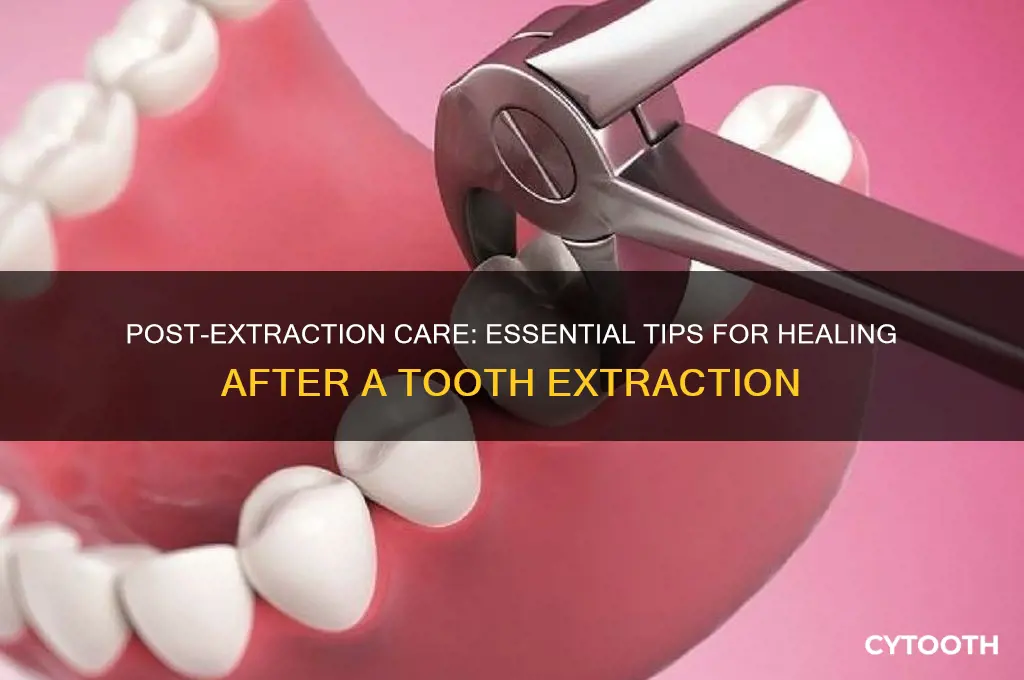
After getting a tooth pulled, proper aftercare is crucial to ensure a smooth and complication-free healing process. Immediate steps include biting gently on the gauze provided by your dentist to control bleeding and avoiding rinsing or spitting vigorously for the first 24 hours. It’s essential to stick to soft, cool foods and avoid hot, spicy, or hard items that could irritate the extraction site. Pain and swelling can be managed with over-the-counter pain relievers or prescribed medications, and applying a cold compress to the cheek can help reduce inflammation. Maintaining oral hygiene is important, but be gentle when brushing and avoid the extraction area. Refrain from smoking, using straws, or engaging in strenuous activities, as these can disrupt the healing process. If you experience severe pain, excessive bleeding, or signs of infection, contact your dentist immediately. Following these guidelines will promote healing and minimize the risk of complications.
| Characteristics | Values |
|---|---|
| Immediate Post-Extraction Care | Bite gently on gauze for 30–45 minutes to control bleeding. |
| Pain Management | Use over-the-counter pain relievers (e.g., ibuprofen) as directed. |
| Swelling Reduction | Apply an ice pack to the cheek for 10–20 minutes at a time, first 24 hours. |
| Diet | Consume soft, cool foods (e.g., yogurt, applesauce) for the first 24–48 hours. Avoid hot, spicy, or hard foods. |
| Oral Hygiene | Gently rinse with warm salt water (1 tsp salt in 8 oz water) after 24 hours. Avoid brushing near the extraction site. |
| Activity Restrictions | Avoid strenuous activities, smoking, and alcohol for at least 24–48 hours. |
| Protecting the Blood Clot | Do not spit, use straws, or rinse vigorously for the first 24 hours. |
| Follow-Up Care | Attend follow-up appointments as scheduled by your dentist. |
| Signs of Complications | Watch for excessive bleeding, severe pain, fever, or pus. Contact your dentist immediately if these occur. |
| Healing Time | Typically 1–2 weeks for initial healing; complete healing may take several weeks. |
What You'll Learn
- Pain Management: Use prescribed painkillers, apply ice packs, and avoid hot foods for the first 24 hours
- Oral Hygiene: Gently rinse with warm salt water, avoid brushing near the extraction site
- Diet Restrictions: Stick to soft, cool foods; avoid straws, spicy, or hard items
- Bleeding Control: Bite on gauze for 30-45 minutes; contact dentist if bleeding persists
- Healing Tips: Rest, avoid smoking, and keep head elevated to reduce swelling and promote healing

Pain Management: Use prescribed painkillers, apply ice packs, and avoid hot foods for the first 24 hours
After a tooth extraction, managing pain effectively is crucial for a smooth recovery. The first 24 hours are particularly critical, as this is when swelling and discomfort are most pronounced. Prescribed painkillers are often the first line of defense. Follow your dentist’s instructions carefully; common medications like ibuprofen (400–600 mg every 6–8 hours) or acetaminophen (500–1000 mg every 4–6 hours) can alleviate pain without interfering with the healing process. Avoid exceeding the recommended dosage, as overuse can lead to side effects like stomach irritation or liver damage. For stronger pain, opioids like hydrocodone may be prescribed, but these should be taken sparingly and only as directed due to their potential for dependency.
While medication addresses internal discomfort, ice packs are a simple yet effective external remedy. Applying a cold compress to the affected area in 20-minute intervals during the first 24 hours reduces swelling and numbs the pain. Wrap the ice pack in a thin cloth to prevent direct contact with the skin, which can cause frostbite. For added convenience, frozen peas or a gel pack can be used as alternatives. This method is particularly beneficial for children or those who prefer non-pharmacological options, as it provides immediate relief without the need for medication.
Equally important is what you avoid during this critical period. Hot foods and beverages can increase blood flow to the extraction site, exacerbating swelling and potentially dislodging the blood clot that forms in the socket—a condition known as dry socket, which can prolong healing and intensify pain. Stick to soft, lukewarm, or cold foods like yogurt, smoothies, or mashed potatoes. Additionally, refrain from using straws, as the suction can disrupt the clot. This simple dietary adjustment can significantly reduce the risk of complications and ensure a more comfortable recovery.
Combining these strategies—medication, ice packs, and dietary caution—creates a holistic approach to pain management after a tooth extraction. While discomfort is inevitable, proactive measures can minimize its impact. Always consult your dentist if pain persists or worsens, as this could indicate an infection or other issue. By adhering to these guidelines, you can navigate the first 24 hours with greater ease and set the stage for a swift and uneventful recovery.
Post-Tooth Extraction Beverages: Safe and Soothing Drink Options to Enjoy
You may want to see also
Oral Hygiene: Gently rinse with warm salt water, avoid brushing near the extraction site
After a tooth extraction, the mouth is particularly vulnerable to infection and irritation. One of the simplest yet most effective ways to promote healing is by gently rinsing with warm salt water. This age-old remedy works by reducing swelling, soothing the extraction site, and flushing out debris. To prepare the solution, dissolve half a teaspoon of table salt in eight ounces of warm water, ensuring it’s not too hot to avoid discomfort. Rinse for 30 seconds after meals and before bed, starting 24 hours after the procedure. This practice not only cleanses the area but also helps restore the mouth’s natural pH balance, creating an environment less conducive to bacterial growth.
While rinsing with salt water is beneficial, brushing near the extraction site can cause more harm than good. The friction from bristles can dislodge the blood clot forming in the socket, leading to a painful condition called dry socket. Instead, focus on gently cleaning the surrounding teeth with a soft-bristled toothbrush, avoiding the extraction area entirely for the first 24–48 hours. After this period, resume brushing cautiously, using circular motions and minimal pressure. Pair this with an alcohol-free antibacterial mouthwash to maintain overall oral hygiene without irritating the healing site.
The contrast between the gentleness of salt water rinses and the potential harm of brushing highlights the delicate balance required in post-extraction care. Salt water’s osmotic properties reduce inflammation, while its mild antiseptic qualities combat infection without disrupting the healing process. Conversely, brushing too soon or too vigorously can introduce bacteria and delay recovery. This duality underscores the importance of patience and precision in oral care during this critical period.
For those seeking practical tips, consistency is key. Set reminders to rinse with salt water at regular intervals, especially after eating, to prevent food particles from accumulating. Keep a separate toothbrush dedicated to post-extraction care to avoid cross-contamination. If sensitivity or pain persists, consult your dentist—they may recommend adjusting the salt concentration or suggest additional measures like cold compresses. By prioritizing gentle care and avoiding unnecessary irritation, you can ensure a smoother, faster recovery after a tooth extraction.
Post-Extraction Care: Activities to Avoid After a Tooth Extraction
You may want to see also
Diet Restrictions: Stick to soft, cool foods; avoid straws, spicy, or hard items
After a tooth extraction, your mouth becomes a delicate ecosystem, vulnerable to irritation and infection. Diet plays a pivotal role in safeguarding this fragile environment. Imagine your extraction site as a freshly planted seed – it needs gentle care, not harsh conditions, to heal properly.
The Soft, Cool Embrace: Think yogurt, mashed potatoes, and smoothies – foods that melt in your mouth without requiring vigorous chewing. Aim for room temperature or slightly chilled options; extreme heat can aggravate the wound. For the first 24 hours, prioritize liquids like broth, apple sauce, and protein shakes to minimize pressure on the extraction site. Gradually introduce softer solids as tolerated, ensuring they’re cut into small, manageable pieces.
The Forbidden List: Straws, Spice, and Crunch: Straws create suction, which can dislodge the blood clot essential for healing, leading to a painful condition called dry socket. Spicy foods irritate the wound, causing discomfort and potentially delaying recovery. Hard, crunchy, or chewy foods (think nuts, chips, or steak) risk damaging the extraction site or getting lodged in the socket. Avoid these culprits for at least a week, or until your dentist gives the green light.
Practical Tips for Success: Invest in a blender or food processor to create smooth, nutrient-rich meals. Keep a water bottle nearby to stay hydrated without the temptation of straws. If you crave variety, experiment with soft, flavorful options like scrambled eggs, oatmeal, or pureed soups. Remember, this restricted diet is temporary – a small sacrifice for a smooth and speedy recovery.
The Takeaway: Your post-extraction diet is a delicate balance of nourishment and protection. By prioritizing soft, cool foods and avoiding irritants, you’re not just following rules – you’re actively fostering healing. Think of it as a culinary pause, a chance to explore gentler textures and flavors while your mouth regenerates. With patience and mindful eating, you’ll soon be back to enjoying your favorite foods, tooth extraction a distant memory.
Tooth Loss Solutions: Exploring Effective Replacements for Pulled Teeth
You may want to see also
Bleeding Control: Bite on gauze for 30-45 minutes; contact dentist if bleeding persists
Immediate action is crucial after a tooth extraction to prevent complications, and controlling bleeding is the first priority. The moment you leave the dentist's chair, you’ll be instructed to bite down firmly on a gauze pad placed over the extraction site. This pressure helps a blood clot form, which is essential for healing. The recommended duration is 30 to 45 minutes, during which you should avoid talking, chewing, or moving the gauze unnecessarily. If bleeding soaks through the gauze within this time, replace it with a fresh pad without disturbing the clot. Patience is key—rushing this step can lead to prolonged bleeding or a dry socket, a painful condition where the clot dislodges.
While biting on gauze is a simple procedure, it’s easy to underestimate its importance. Think of it as the foundation for the entire healing process. If bleeding persists after 45 minutes, it’s not a situation to ignore. Persistent bleeding could indicate an underlying issue, such as a clot not forming properly or excessive physical activity. In such cases, contact your dentist immediately. They may advise additional measures, such as applying a moist tea bag (tannic acid helps constrict blood vessels) or returning to the office for evaluation. Remember, self-diagnosis can be risky; professional guidance is always the safest route.
For parents or caregivers, ensuring children follow this protocol can be challenging. Kids may fidget or remove the gauze out of curiosity, so supervision is essential. Distract them with quiet activities and set a timer to remind them (and you) to check the gauze. Adults, too, should resist the urge to peek at the extraction site, as this can disrupt clotting. A practical tip is to keep extra gauze pads and a clean cloth handy to manage any accidental spills or replacements. The goal is to create a calm, focused environment where the patient can rest and heal without interruption.
Comparing this step to other post-extraction care, bleeding control is uniquely time-sensitive. Unlike pain management or diet adjustments, which can be addressed over hours, bleeding requires immediate and sustained attention. It’s the difference between a smooth recovery and potential complications. By following this protocol diligently, you not only address the immediate issue but also set the stage for the body’s natural healing processes to take over. In essence, mastering this first step is mastering the art of post-extraction care.
Toddler-Friendly Drinks Post-Tooth Extraction: Safe and Soothing Options
You may want to see also
Healing Tips: Rest, avoid smoking, and keep head elevated to reduce swelling and promote healing
After a tooth extraction, your body needs time to heal, and rest is a crucial component of this process. Think of it like recovering from a minor surgery – you wouldn’t go running a marathon the next day. Aim for at least 24–48 hours of reduced activity, avoiding strenuous exercise or heavy lifting. This allows your body to direct its energy toward repairing the extraction site. For adults, this might mean taking a day or two off work, while for children or teenagers, it could involve skipping sports practice or physical play. Elevate your head with an extra pillow or two while sleeping to minimize swelling and bleeding, a simple yet effective technique backed by dental professionals.
Smoking after a tooth extraction is one of the worst things you can do for healing. Nicotine constricts blood vessels, reducing blood flow to the extraction site and impairing the delivery of oxygen and nutrients needed for recovery. It also introduces harmful chemicals that can irritate the wound and increase the risk of infection, such as dry socket—a painful condition where the blood clot at the extraction site dislodges. If you’re a smoker, consider this a prime opportunity to quit or at least abstain for 48–72 hours post-extraction. Even vaping or chewing tobacco should be avoided, as they pose similar risks. Your dentist might recommend nicotine patches or gum as a temporary alternative, but consult them first.
Keeping your head elevated isn’t just for bedtime—it’s a strategy to use throughout the day. When sitting or reclining, prop yourself up at a 30- to 45-degree angle to reduce blood flow to the face, which minimizes swelling and bruising. Avoid bending over or lying flat for extended periods, especially in the first 24 hours. For example, if you need to pick something up, squat instead of bending at the waist. Cold compresses applied to the cheek in 15-minute intervals during the first 24 hours can also help reduce swelling, but always wrap the ice pack in a cloth to prevent direct contact with the skin.
Combining these tips—rest, avoiding smoking, and keeping your head elevated—creates an optimal environment for healing. Rest reduces strain on the body, allowing it to focus on recovery. Avoiding smoking eliminates a major obstacle to blood flow and wound healing. Elevating your head minimizes swelling, which can otherwise prolong discomfort and delay healing. Together, these measures significantly lower the risk of complications like infection or dry socket, ensuring a smoother, faster recovery. Remember, your dentist’s post-extraction instructions are tailored to your specific case, so always follow their guidance alongside these general tips.
Effective Ways to Relieve Pain After a Tooth Extraction
You may want to see also
Frequently asked questions
Wait at least 1-2 hours after the extraction to allow the blood clot to form. Start with soft, cool foods like yogurt, applesauce, or smoothies, and avoid hot, spicy, or hard foods for the first 24-48 hours.
Avoid rinsing or spitting vigorously for the first 24 hours, as this can dislodge the blood clot and lead to dry socket. After 24 hours, gently rinse with warm salt water (1/2 teaspoon of salt in 8 oz of water) to keep the area clean.
Apply an ice pack to the cheek near the extraction site for 15-20 minutes at a time during the first 24 hours to reduce swelling. Take over-the-counter pain relievers like ibuprofen or acetaminophen as directed by your dentist. Avoid lying flat; prop your head with pillows to minimize swelling.