Matthew Grant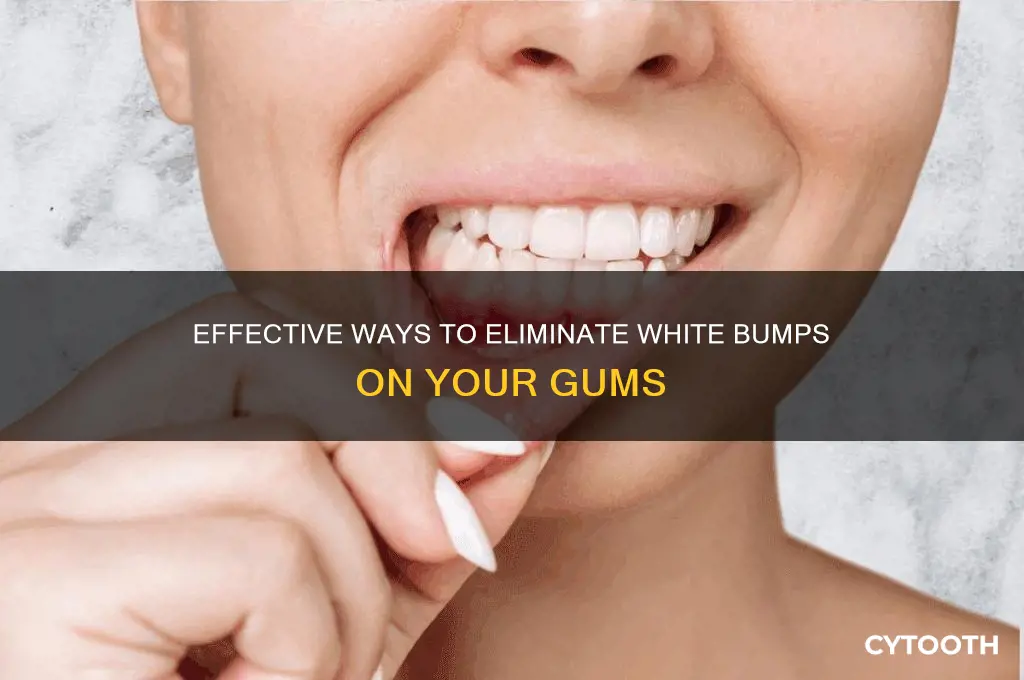
White bumps on the gums can be concerning, but they are often treatable and may indicate conditions such as canker sores, oral thrush, or mucoceles. Identifying the cause is crucial for effective treatment, which may involve maintaining good oral hygiene, using antimicrobial mouthwashes, or seeking professional dental care. Early intervention can prevent complications and promote gum health, so consulting a dentist is recommended for persistent or painful symptoms.
| Characteristics | Values |
|---|---|
| Causes | Poor oral hygiene, food particles, bacterial infections, viral infections, oral thrush, canker sores, mucous cysts, or dental trauma. |
| Symptoms | Small, white or yellowish bumps on gums, pain, swelling, redness, or discomfort. |
| Home Remedies | Saltwater rinse, hydrogen peroxide rinse, oil pulling (coconut or sesame oil), baking soda paste, tea tree oil (diluted), proper brushing and flossing. |
| Medical Treatments | Antifungal medications (for oral thrush), antiviral medications (for viral infections), antibiotics (for bacterial infections), surgical removal (for cysts or persistent bumps). |
| Prevention | Maintain good oral hygiene, regular dental check-ups, avoid irritants (tobacco, spicy foods), stay hydrated, and eat a balanced diet. |
| When to See a Dentist | If bumps persist for more than 2 weeks, cause severe pain, or are accompanied by fever, difficulty eating, or other systemic symptoms. |
| Diagnosis | Visual examination by a dentist, biopsy (if necessary), or imaging tests. |
| Common Conditions | Oral thrush, canker sores, mucous cysts, gingival abscesses, or periodontal disease. |
| Risk Factors | Weakened immune system, poor oral hygiene, smoking, diabetes, or malnutrition. |
| Duration of Healing | 1-2 weeks with proper treatment, depending on the underlying cause. |
What You'll Learn
- Poor Oral Hygiene: Brush twice daily, floss regularly, and use antiseptic mouthwash to prevent bacterial buildup
- Mucous Cysts: Avoid irritating the area; consult a dentist if bumps persist or grow
- Calcium Deposits: Maintain balanced diet, avoid tobacco, and practice good oral care to reduce risk
- Allergic Reactions: Identify and avoid irritants like toothpaste or food allergens causing gum inflammation
- Oral Lichen Planus: Manage stress, use mild oral care products, and seek dental treatment for symptoms

Poor Oral Hygiene: Brush twice daily, floss regularly, and use antiseptic mouthwash to prevent bacterial buildup
White bumps on your gums, often a sign of bacterial buildup, can be both unsightly and uncomfortable. Poor oral hygiene is a primary culprit, allowing plaque and bacteria to thrive in your mouth. The solution? A consistent, thorough oral care routine. Brushing twice daily with fluoride toothpaste is your first line of defense. Spend at least two minutes each session, ensuring you clean all surfaces of your teeth and along the gumline. Electric toothbrushes can be particularly effective, offering consistent pressure and motion to remove plaque more efficiently than manual brushing alone.
Flossing is equally crucial, yet often overlooked. It removes food particles and plaque from between teeth and under the gumline—areas your toothbrush can’t reach. Aim to floss at least once daily, preferably before bedtime, to prevent bacteria from festering overnight. If traditional floss is cumbersome, consider using floss picks or water flossers, which can be easier to maneuver and just as effective. Pairing these habits with an antiseptic mouthwash adds an extra layer of protection. Look for mouthwashes containing chlorhexidine or essential oils, which reduce bacterial growth and inflammation. Use as directed, typically rinsing for 30 seconds after brushing and flossing.
While these steps seem straightforward, consistency is key. Skipping even one part of this routine can leave your gums vulnerable. For instance, neglecting flossing allows plaque to harden into tartar, which can only be removed by a dental professional. Similarly, skipping mouthwash means missing out on its antimicrobial benefits, leaving bacteria unchecked. Children and adults alike should adhere to this regimen, though parents should supervise kids under six to ensure proper technique and prevent swallowing toothpaste or mouthwash.
Practical tips can make this routine more manageable. Keep oral care products visible in your bathroom as a reminder. Set a timer for brushing to ensure you hit the two-minute mark. For those with sensitive gums, opt for soft-bristled brushes and alcohol-free mouthwash to avoid irritation. Regular dental check-ups every six months are also essential, as professionals can spot early signs of gum issues and provide deep cleaning when needed. By prioritizing these habits, you not only address white bumps but also prevent more serious oral health problems down the line.
Effective Ways to Brighten Dark Gums and Restore Your Smile
You may want to see also
Mucous Cysts: Avoid irritating the area; consult a dentist if bumps persist or grow
White bumps on the gums can be alarming, but not all are cause for immediate panic. One common culprit is mucous cysts, fluid-filled sacs that often appear as small, translucent or white bumps along the gumline. These cysts typically form near the mouths of minor salivary glands and are usually harmless. However, their presence can be bothersome, especially if they grow or become irritated. Understanding how to manage mucous cysts involves a balance of gentle care and knowing when to seek professional help.
The first rule in dealing with mucous cysts is to avoid irritating the area. These cysts are often sensitive, and excessive touching, poking, or pressure can lead to discomfort or even rupture. While it may be tempting to try popping them, doing so can introduce bacteria and cause infection. Instead, maintain good oral hygiene by brushing gently with a soft-bristled toothbrush and flossing carefully to avoid aggravating the cyst. Rinsing with a mild saltwater solution (1/2 teaspoon of salt in 8 ounces of warm water) can also help soothe the area without causing further irritation.
If the bumps persist, grow, or become painful, it’s crucial to consult a dentist. While mucous cysts often resolve on their own, persistent or enlarging cysts may indicate an underlying issue, such as blocked salivary glands or chronic irritation. A dentist can diagnose the cyst through a visual examination or, in some cases, by taking an X-ray. Treatment options may include draining the cyst, removing the affected salivary gland, or addressing the root cause of the irritation. Early intervention can prevent complications and ensure the cyst doesn’t interfere with oral health.
For those prone to mucous cysts, preventive measures can reduce recurrence. Avoid habits like chewing on pens, biting nails, or consuming excessively hot or acidic foods, as these can irritate the gums and salivary glands. Staying hydrated also promotes healthy saliva production, which can help prevent cyst formation. While mucous cysts are generally benign, monitoring them and adopting a proactive approach to oral care can minimize their impact and maintain gum health.
Restore Healthy Gums: Effective Ways to Reverse Smoking-Induced Black Gums
You may want to see also
Calcium Deposits: Maintain balanced diet, avoid tobacco, and practice good oral care to reduce risk
White bumps on gums can often be calcium deposits, a condition known as calcification. These deposits occur when calcium builds up in the soft tissue of the gums, forming small, hard lumps. While typically harmless, they can be a cosmetic concern or indicate underlying issues like poor oral hygiene or nutritional imbalances. Addressing calcium deposits involves a targeted approach that combines dietary adjustments, lifestyle changes, and diligent oral care to prevent recurrence and promote gum health.
A balanced diet plays a pivotal role in managing calcium deposits. Excessive calcium intake, particularly from supplements, can contribute to calcification in susceptible individuals. Adults aged 19–50 should aim for 1,000 mg of calcium daily, while those over 50 require 1,200 mg. However, it’s equally important to ensure adequate vitamin D intake (600–800 IU daily) to regulate calcium absorption. Avoid over-supplementation without medical advice, and focus on calcium-rich foods like dairy, leafy greens, and fortified products. Pairing calcium with phosphorus-rich foods, such as nuts and whole grains, can also help maintain mineral balance and reduce the risk of deposits.
Tobacco use is a significant risk factor for calcium deposits and overall gum health. Smoking and chewing tobacco restrict blood flow to the gums, impair healing, and increase calcium buildup in tissues. Quitting tobacco is essential for preventing further calcification and improving oral health. Nicotine replacement therapies, prescription medications like varenicline, or behavioral support programs can aid in cessation. Even reducing tobacco use can yield immediate benefits, with studies showing gum health improvements within weeks of quitting.
Effective oral care is the cornerstone of preventing and managing calcium deposits. Brush twice daily with a fluoride toothpaste and a soft-bristled toothbrush, focusing on the gumline to remove plaque and debris. Floss daily to clean between teeth and under the gums, where deposits often form. Incorporate an antimicrobial mouthwash to reduce bacteria and inflammation. Regular dental check-ups every six months are crucial for professional cleaning and early detection of calcification. For existing deposits, a dentist may recommend scaling or surgical removal if they cause discomfort or complications.
In summary, addressing calcium deposits on the gums requires a holistic approach. Maintain a balanced diet with appropriate calcium and vitamin D levels, avoid tobacco to enhance gum health, and practice meticulous oral hygiene. By integrating these strategies, individuals can reduce the risk of calcification and ensure long-term gum health. Remember, prevention is key—small, consistent efforts yield significant results in oral care.
Effective Ways to Remove Old Gum from Your Carpet Easily
You may want to see also
Allergic Reactions: Identify and avoid irritants like toothpaste or food allergens causing gum inflammation
White bumps on gums can sometimes be a sign of an allergic reaction, a response often overlooked in oral health discussions. Unlike common causes like canker sores or oral thrush, allergic reactions to everyday items such as toothpaste or certain foods can trigger localized inflammation, manifesting as small, white bumps. Identifying these irritants is the first step toward relief, as continued exposure can exacerbate discomfort and potentially lead to more serious gum issues.
To pinpoint the culprit, start by examining your oral care products. Toothpaste, mouthwash, and even chewing gum often contain ingredients like sodium lauryl sulfate (SLS), a foaming agent known to irritate sensitive gums in some individuals. Similarly, flavorings such as cinnamon or mint can provoke reactions. A simple elimination process can help: switch to a hypoallergenic toothpaste free of SLS, artificial flavors, and dyes for at least two weeks. If the bumps subside, reintroduce your original products one at a time to identify the irritant. For children or those with a history of allergies, this step is particularly crucial, as their gums may be more reactive.
Food allergens are another common but often underestimated trigger. Dairy, nuts, gluten, and citrus fruits are frequent offenders, causing oral allergic reactions in susceptible individuals. Keep a food diary for two weeks, noting any instances of gum irritation after meals. If a pattern emerges, consult an allergist for testing to confirm the specific allergen. In the meantime, avoid suspected foods and opt for anti-inflammatory alternatives like turmeric or ginger, which can help soothe gum inflammation naturally.
Once irritants are identified, avoidance is key. However, accidental exposure can still occur. In such cases, rinse your mouth with a saline solution (1/2 teaspoon of salt in a cup of warm water) to reduce inflammation and remove residual irritants. Over-the-counter antihistamines like cetirizine (10 mg daily for adults, 5 mg for children over 6) can provide temporary relief, but consult a healthcare provider before starting any new medication. For persistent or severe reactions, a dentist or allergist may recommend prescription-strength corticosteroids to reduce inflammation.
Prevention is the most effective strategy. Read product labels carefully, opting for natural, fragrance-free oral care items. When trying new foods, introduce them in small quantities to monitor your body’s response. Regular dental check-ups can also help catch early signs of irritation before they develop into more serious issues. By staying vigilant and proactive, you can minimize the risk of allergic reactions and maintain healthier gums.
Effective Tips to Reduce Puffy Gums Post-Braces Treatment
You may want to see also
Oral Lichen Planus: Manage stress, use mild oral care products, and seek dental treatment for symptoms
White bumps on the gums can be a symptom of oral lichen planus, an autoimmune condition that causes inflammation and lesions in the mouth. Unlike canker sores or other common oral issues, lichen planus is chronic and requires a targeted approach to manage symptoms and prevent complications. If you suspect this is the cause of your gum bumps, understanding how to address it effectively is crucial.
Stress Management: A Cornerstone of Treatment
Stress exacerbates lichen planus symptoms, making it a key factor to address. Chronic stress triggers immune responses that worsen inflammation, leading to more frequent or severe outbreaks. Incorporate stress-reduction techniques such as mindfulness meditation, deep breathing exercises, or yoga into your daily routine. Studies suggest that even 10–15 minutes of mindfulness practice per day can reduce stress markers in the body. Additionally, consider cognitive-behavioral therapy (CBT) if stress feels unmanageable—it’s proven effective in reducing symptom severity in autoimmune conditions.
Oral Care: Gentle Products, Consistent Habits
Harsh oral care products can irritate lichen planus lesions, making symptoms worse. Switch to a soft-bristled toothbrush and fluoride toothpaste designed for sensitive gums. Avoid alcohol-based mouthwashes, which can dry out tissues and cause stinging. Instead, opt for a mild, alcohol-free rinse or a saltwater solution (1 teaspoon of salt in 8 ounces of warm water). Floss daily but use waxed or PTFE-coated floss to minimize gum trauma. If brushing causes discomfort, try using a rubber-tipped gum stimulator to clean the area gently.
Professional Dental Treatment: When and How
While lichen planus cannot be cured, dental interventions can alleviate symptoms and prevent complications like infection or gum recession. If bumps are painful or interfere with eating, a dentist may prescribe topical corticosteroids (e.g., clobetasol or fluocinonide) to reduce inflammation. For severe cases, oral medications like prednisone or immunosuppressants might be recommended, but these come with side effects and are typically reserved for systemic involvement. Regular dental check-ups are essential to monitor lesion progression and ensure early intervention if needed.
Practical Tips for Daily Management
Avoid foods that trigger irritation, such as spicy, acidic, or crunchy items. Stay hydrated to keep oral tissues moist, and quit smoking if applicable—tobacco use is linked to worsened lichen planus symptoms. Keep a symptom diary to identify patterns (e.g., stress triggers or dietary sensitivities) and share this with your dentist or dermatologist. Finally, educate yourself about the condition to reduce anxiety—knowledge empowers proactive management. With consistent care and professional guidance, oral lichen planus can be controlled, minimizing the impact of those white bumps on your daily life.
Quick Fix: Removing Popcorn Kernels from Gum Without Floss
You may want to see also
Frequently asked questions
The white bumps on your gums could be mucus cysts, canker sores, or oral thrush. Most are harmless but persistent or painful bumps should be evaluated by a dentist to rule out infection or other issues.
Mild cases can be managed by rinsing with warm salt water, maintaining good oral hygiene, and avoiding irritants like spicy foods. Over-the-counter antiseptic mouthwashes may also help, but consult a dentist if symptoms persist.
See a dentist if the bumps are painful, swollen, or don’t resolve within 2 weeks. Persistent bumps could indicate an infection, oral disease, or other underlying issues that require professional treatment.
Yes, poor oral hygiene can lead to white bumps caused by bacterial or fungal infections. Prevent them by brushing twice daily, flossing regularly, and visiting your dentist for check-ups and cleanings.