Hailey Morgan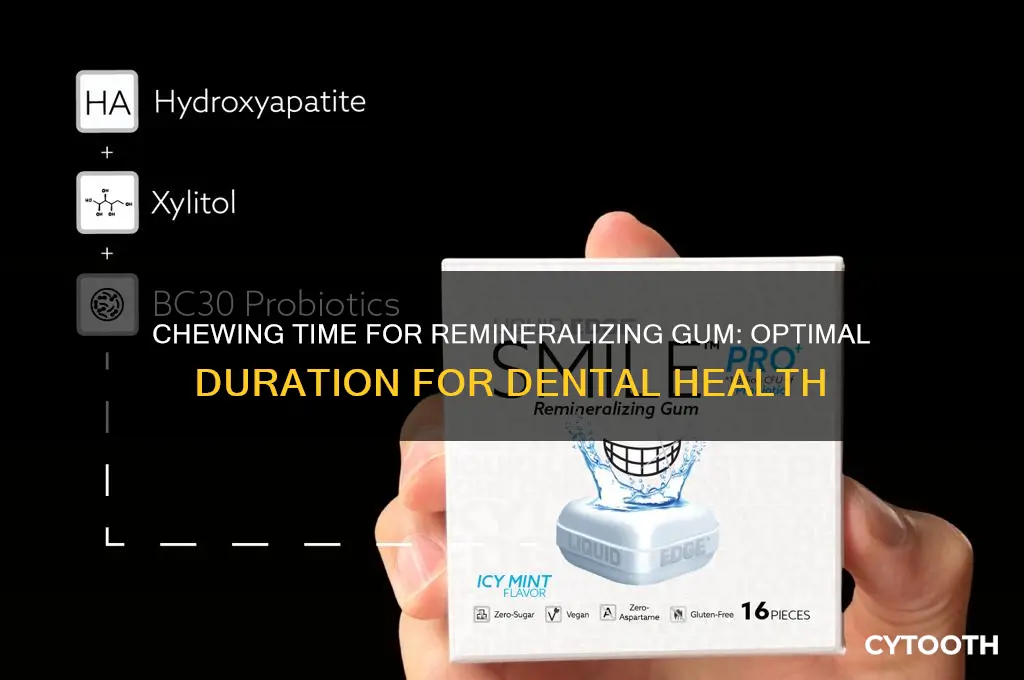
Remineralizing gum is a popular oral health product designed to help strengthen tooth enamel by delivering essential minerals like calcium and phosphate. However, the effectiveness of this gum largely depends on how long and how thoroughly it is chewed. Chewing remineralizing gum for the recommended duration allows the active ingredients to come into prolonged contact with the teeth, maximizing their remineralizing benefits. Typically, manufacturers suggest chewing the gum for 10 to 20 minutes after meals or as directed by a dentist. This duration ensures that the saliva production is stimulated, aiding in the distribution of minerals across the tooth surfaces. Understanding the optimal chewing time is crucial for anyone looking to enhance their dental health through this innovative product.
| Characteristics | Values |
|---|---|
| Recommended Chewing Time | 10–20 minutes per session |
| Frequency of Use | 2–3 times daily after meals or as directed by a dentist |
| Active Ingredients | Xylitol, fluoride, calcium phosphate, or casein phosphopeptide (CPP-ACP) |
| Mechanism of Action | Neutralizes acids, promotes saliva production, and delivers minerals |
| Benefits | Remineralizes enamel, prevents cavities, reduces tooth sensitivity |
| Best Time to Chew | After meals or snacks to counteract acid exposure |
| Duration for Noticeable Results | 4–6 weeks of consistent use |
| Suitable for | Adults and children (age-specific products may vary) |
| Contraindications | Not recommended for individuals with xylitol sensitivity or allergies |
| Storage | Store in a cool, dry place away from direct sunlight |
| Additional Tips | Avoid swallowing gum; dispose after use; combine with proper oral hygiene |
What You'll Learn

Optimal chewing duration for remineralizing gum effectiveness
Chewing remineralizing gum is a proactive step toward maintaining oral health, but the duration of chewing significantly impacts its effectiveness. Manufacturers often recommend chewing for 10 to 20 minutes per session to allow the active ingredients, such as xylitol or calcium phosphate, to interact with tooth enamel. This timeframe ensures sufficient exposure to promote remineralization, the process of repairing early tooth decay by restoring lost minerals. Chewing for less than 10 minutes may limit the gum’s ability to deliver its full benefits, while exceeding 20 minutes could lead to jaw fatigue or reduced efficacy due to diminished saliva production.
From an analytical perspective, the optimal chewing duration aligns with the gum’s formulation and the oral environment. Xylitol, for instance, requires consistent contact with teeth to inhibit harmful bacteria and stimulate saliva flow, which aids in remineralization. Studies suggest that 15 minutes of continuous chewing maximizes the release of these active compounds without overstimulating the salivary glands. For children or individuals with smaller jaw muscles, shorter intervals of 10–12 minutes may be more practical, ensuring compliance without discomfort.
Instructively, incorporating remineralizing gum into your routine should follow a structured approach. Chew one piece immediately after meals or snacks, as this is when teeth are most vulnerable to acid attacks. Aim for 15 minutes per session, but adjust based on comfort and age. For example, adults can tolerate the full duration, while children aged 6–12 should limit chewing to 10 minutes. Always follow the product’s specific guidelines, as some formulations may require different timings.
Comparatively, remineralizing gum differs from traditional chewing gum, which often lacks therapeutic ingredients and may be chewed indefinitely. The purposeful design of remineralizing gum necessitates a timed approach to balance efficacy and practicality. Unlike fluoride treatments, which act quickly but require professional application, this gum offers a user-controlled method for daily mineral replenishment. However, its success hinges on adhering to the recommended chewing duration, making it a disciplined yet accessible oral care tool.
Practically, integrating this habit into daily life requires mindfulness. Set a timer to ensure you chew for the full recommended period, especially if multitasking. Avoid chewing too vigorously, as this can strain jaw muscles and reduce the gum’s contact with teeth. For optimal results, limit consumption to 2–3 pieces per day, as excessive use may lead to sugar alcohol-related digestive issues, particularly with xylitol-containing gums. Pair this routine with regular brushing and flossing for comprehensive oral health.
Can Chewing Gum Brighten Your Smile? Teeth Whitening Myths Debunked
You may want to see also
Frequency of use for best tooth remineralization results
Chewing remineralizing gum is a proactive step toward maintaining oral health, but the frequency of use significantly impacts its effectiveness. Manufacturers often recommend chewing the gum for 5–10 minutes, 2–3 times daily, to allow the active ingredients—like xylitol, calcium, or phosphate—to neutralize acids and strengthen enamel. This regimen ensures consistent exposure without overstimulating saliva production, which could dilute the gum’s remineralizing agents. For optimal results, follow the product’s specific instructions, as formulations vary.
Age and oral health status play a critical role in determining the ideal frequency. Children and adolescents, whose enamel is still developing, may benefit from more frequent use—up to 3–4 times daily—under dental supervision. Adults with early signs of demineralization can adhere to the standard 2–3 times daily, while those with advanced issues should consult a dentist for a tailored plan. Overuse, however, can lead to jaw fatigue or temporary TMJ discomfort, so moderation is key.
Comparing remineralizing gum to other fluoride treatments highlights its unique frequency requirements. Unlike fluoride mouthwash, which is typically used once daily, or varnishes applied quarterly by a dentist, gum offers a middle ground for daily maintenance. Its advantage lies in its ability to deliver remineralizing agents directly to the tooth surface during chewing, but this requires consistent, short-term use rather than prolonged sessions. Over-chewing does not enhance results and may reduce the gum’s efficacy.
Practical tips can maximize the benefits of this routine. Chew immediately after meals or snacks to counteract acid exposure, and avoid eating or drinking for 30 minutes afterward to prolong the gum’s contact with teeth. Pairing gum use with a low-sugar diet and regular brushing amplifies its effects. For those with busy schedules, setting reminders or incorporating chewing into daily habits—like during a commute or after coffee—ensures consistency without added effort.
Ultimately, the frequency of chewing remineralizing gum should balance efficacy and practicality. While 2–3 sessions daily are generally sufficient, individual needs may vary based on oral health, age, and lifestyle. Monitoring progress with regular dental check-ups allows for adjustments to the routine, ensuring the gum remains a valuable tool in your oral care arsenal. Consistency, not intensity, is the cornerstone of achieving lasting remineralization results.
Chewing Mastic Gum: Optimal Time for Digestive Health Benefits
You may want to see also
How sugar-free gum aids enamel repair
Chewing sugar-free gum stimulates saliva production, a critical factor in enamel repair. Saliva acts as a natural buffer, neutralizing acids produced by bacteria in the mouth. These acids, if left unchecked, erode enamel over time. By increasing saliva flow, sugar-free gum helps wash away food particles and dilute acids, creating a protective environment for teeth. Xylitol, a common ingredient in sugar-free gum, further enhances this process by inhibiting bacterial growth and promoting remineralization.
To maximize the benefits, chew sugar-free gum for 10–20 minutes after meals or snacks. This duration allows sufficient saliva production to counteract acid attacks and initiate the remineralization process. Avoid over-chewing, as excessive jaw movement can lead to discomfort or temporomandibular joint (TMJ) issues. Opt for gums with the seal of approval from dental associations, ensuring they meet specific criteria for enamel protection.
Children and adults alike can benefit from this practice, though it’s essential to choose age-appropriate products. For instance, children under six should avoid gum due to choking hazards; instead, supervise their use of sugar-free lozenges or consult a dentist for alternatives. Adults with braces or dental work should select soft, non-sticky gums to prevent damage. Pairing gum-chewing with a balanced diet low in sugary foods amplifies its protective effects.
While sugar-free gum aids enamel repair, it’s not a standalone solution. Combine it with regular brushing, flossing, and dental check-ups for comprehensive oral care. Over-reliance on gum can lead to neglect of other essential habits. Think of it as a supplementary tool—convenient, portable, and effective when used correctly. By integrating this simple practice into your routine, you actively contribute to stronger, healthier enamel.
Chewing Gum and Headaches: Unraveling the Surprising Connection
You may want to see also
Comparing chewing times for different gum brands
Chewing time is a critical factor in the effectiveness of remineralizing gum, yet recommendations vary widely across brands. For instance, Spry Remineralizing Gum suggests chewing one piece for 5–10 minutes after meals to maximize the benefits of its xylitol content, which neutralizes acids and promotes enamel repair. In contrast, Epic Dental Gum advises a slightly longer duration of 10–15 minutes per piece, emphasizing the need for consistent chewing to ensure the release of its active ingredients, including xylitol and calcium. These differences highlight the importance of following brand-specific guidelines to achieve optimal results.
Analyzing the science behind these recommendations reveals why chewing times differ. Xylitol, a common ingredient in remineralizing gum, requires sustained contact with teeth to inhibit bacterial growth and stimulate saliva production. Trident Sugar-Free Gum, while not explicitly marketed as remineralizing, suggests chewing for 20 minutes post-meal to reduce plaque acids. However, its focus is on mechanical cleaning rather than mineral delivery. Remineralizing gums, like Celosia Gum, often contain additional minerals like phosphate and fluoride, which necessitate shorter but more frequent chewing sessions (5–7 minutes, 3–4 times daily) to avoid overloading the oral environment with these compounds.
From a practical standpoint, adhering to brand-specific chewing times can be challenging. For example, Xyloburst Gum recommends chewing for 10 minutes, but its strong flavor may diminish after 5–7 minutes, leading users to discard it prematurely. To address this, consider setting a timer or pairing chewing sessions with routine activities, such as commuting or desk work. For parents, Kids Spry Gum offers a kid-friendly option with a recommended chewing time of 3–5 minutes, tailored to shorter attention spans and smaller oral cavities.
A comparative study of chewing times reveals trade-offs between convenience and efficacy. Pur Gum, with its 5-minute recommendation, is ideal for quick post-meal use but may require more frequent replacement. Conversely, Dr. Collins Restore Gum suggests a 15-minute chew, which, while more effective for mineral delivery, may be impractical for busy individuals. Ultimately, the choice depends on personal lifestyle and oral health goals. For those prioritizing convenience, shorter-duration gums are preferable, while those seeking maximum remineralization may opt for longer-chew options.
In conclusion, comparing chewing times across remineralizing gum brands underscores the need for tailored usage. Whether it’s Spry’s 5–10 minutes, Epic Dental’s 10–15 minutes, or Celosia’s 5–7 minute intervals, each brand’s guidelines are designed to optimize its unique formulation. By understanding these differences and aligning them with individual needs, users can maximize the benefits of remineralizing gum while maintaining a practical oral care routine. Always consult the packaging or manufacturer’s instructions for precise recommendations.
Chewing Gum with Braces: Safe Practice or Risky Habit?
You may want to see also
Impact of chewing technique on remineralization benefits
Chewing technique significantly influences the effectiveness of remineralizing gum, a fact often overlooked in discussions about oral health. The mechanical action of chewing stimulates saliva production, which is crucial for neutralizing acids and delivering minerals like calcium and phosphate to the teeth. However, not all chewing is created equal. Rapid, aggressive chewing can wear down the gum prematurely, reducing its contact time with the teeth and limiting mineral delivery. Conversely, slow, deliberate chewing maximizes the gum’s exposure to tooth surfaces, enhancing its remineralizing potential. For optimal results, aim to chew at a steady pace of 20–30 chews per minute, allowing the gum to fully dissolve over 10–15 minutes.
Consider the role of chewing duration in this process. Manufacturers often recommend chewing remineralizing gum for 5–20 minutes per session, depending on the product’s formulation. Shorter chewing times may not provide sufficient mineral release, while longer sessions risk overstimulating the jaw muscles, potentially leading to discomfort or temporomandibular joint (TMJ) issues. For instance, a study published in the *Journal of Dental Research* found that chewing xylitol-based gum for 10 minutes post-meals significantly reduced demineralization compared to shorter durations. To balance efficacy and safety, limit chewing to 10–15 minutes per session, up to three times daily, particularly after meals or snacks.
The technique also matters in terms of jaw movement. Alternating chewing sides every 2–3 minutes ensures even distribution of saliva and minerals across all teeth, preventing localized overstimulation. This approach mimics natural eating patterns and reduces the risk of uneven enamel wear. Additionally, maintaining a relaxed jaw posture during chewing minimizes stress on the TMJ. If you notice jaw fatigue or clicking, reduce chewing frequency or switch to a softer gum variant. For children and older adults, who may have weaker jaw muscles, shorter chewing sessions of 5–8 minutes are advisable, paired with gentle, side-to-side movements.
Practical tips can further enhance the benefits of chewing technique. Pairing remineralizing gum with fluoride toothpaste or mouthwash amplifies mineral uptake, as fluoride aids in enamel repair. Avoid chewing gum immediately after acidic beverages or foods, as this can exacerbate enamel erosion. Instead, wait at least 30 minutes to allow saliva to neutralize acids naturally. Lastly, choose sugar-free gums containing xylitol or casein phosphopeptide-amorphous calcium phosphate (CPP-ACP), which are clinically proven to enhance remineralization. By refining your chewing technique and adhering to these guidelines, you can maximize the oral health benefits of remineralizing gum without compromising comfort or safety.
Optimal Chewing Time for Xylitol Gum: A Guide to Oral Health
You may want to see also
Frequently asked questions
Chew remineralizing gum for at least 10–15 minutes per session to allow the active ingredients to effectively interact with your teeth and promote remineralization.
While chewing for longer than 10–15 minutes won’t harm you, it’s not necessary. Extended chewing may reduce the gum’s effectiveness, as the active ingredients are typically released within the recommended time frame.
Chew remineralizing gum 1–2 times per day, ideally after meals, to maximize its benefits. Consistent daily use is key to supporting tooth remineralization.