Matthew Grant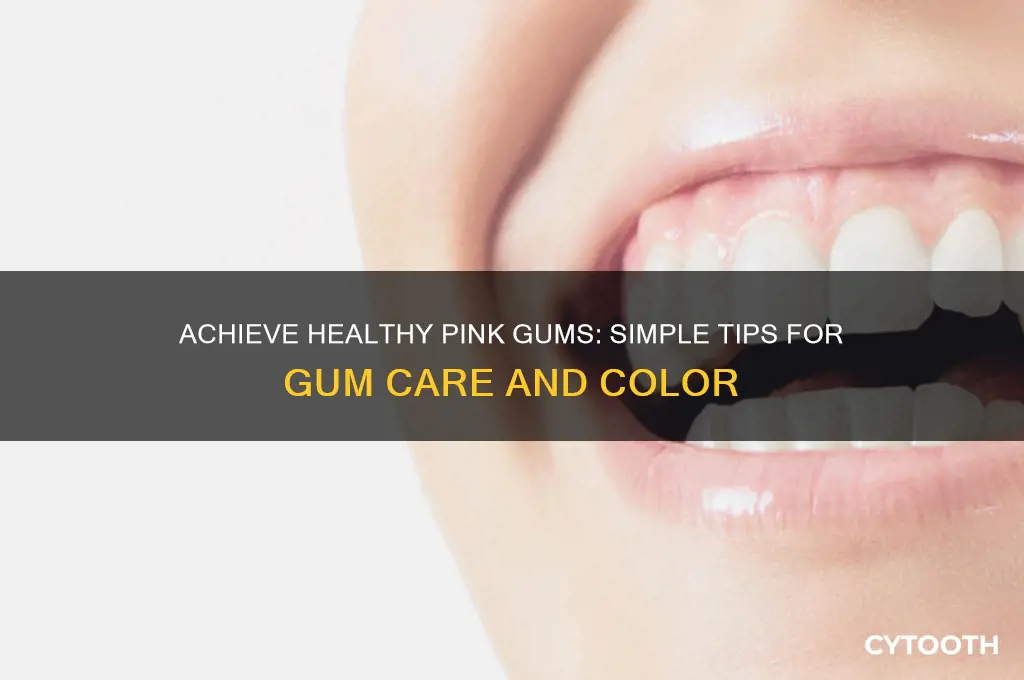
Achieving and maintaining pink, healthy gums is a key indicator of good oral hygiene and overall health. Pink gums signify proper blood circulation and the absence of inflammation or infection, which are often signs of gum disease. To get your gums pink, it’s essential to adopt a consistent oral care routine, including brushing twice daily with a soft-bristled toothbrush, flossing regularly to remove plaque and debris between teeth, and using an antimicrobial mouthwash to reduce bacteria. Additionally, a balanced diet rich in vitamins C and K, which support gum health, and staying hydrated can contribute to gum vitality. Avoiding tobacco products and limiting sugary foods and drinks are also crucial, as they can irritate gums and promote bacterial growth. Regular dental check-ups and cleanings are vital to address any underlying issues and ensure your gums remain healthy and pink.
| Characteristics | Values |
|---|---|
| Maintain Good Oral Hygiene | Brush teeth twice daily with a soft-bristled toothbrush and fluoride toothpaste. Floss daily to remove plaque and food debris between teeth and along the gum line. |
| Use a Gum-Friendly Toothbrush | Choose a toothbrush with soft bristles to avoid irritating the gums. Replace your toothbrush every 3-4 months or sooner if bristles are frayed. |
| Practice Proper Brushing Technique | Hold your toothbrush at a 45-degree angle to your gums and use gentle, circular motions. Avoid aggressive scrubbing, which can damage gums. |
| Use Antimicrobial Mouthwash | Rinse with an antimicrobial mouthwash daily to reduce plaque and bacteria that can cause gum inflammation. |
| Quit Smoking | Smoking restricts blood flow to the gums, making them more susceptible to disease and discoloration. Quitting smoking is crucial for gum health and overall oral health. |
| Eat a Balanced Diet | Consume a diet rich in fruits, vegetables, whole grains, and lean protein. Limit sugary foods and drinks, which contribute to plaque formation. |
| Stay Hydrated | Drink plenty of water throughout the day to keep your mouth moist and help wash away food particles. |
| Manage Stress | Chronic stress can weaken the immune system, making it harder for your body to fight off gum infections. Practice stress management techniques like exercise, meditation, or yoga. |
| Visit Your Dentist Regularly | Schedule dental checkups and cleanings every six months or as recommended by your dentist. Professional cleanings remove tartar buildup and allow your dentist to detect early signs of gum disease. |
| Consider Gum Massage | Gently massaging your gums with a clean finger or a soft-bristled toothbrush can stimulate blood flow and promote gum health. |
| Address Underlying Medical Conditions | Certain medical conditions like diabetes or vitamin deficiencies can affect gum health. Manage these conditions with proper medical care. |
What You'll Learn
- Brushing Technique: Use soft bristles, angle 45 degrees, gentle circular motions, twice daily for healthy gums
- Flossing Daily: Removes plaque between teeth, prevents gum inflammation, ensures thorough cleaning
- Mouthwash Use: Antimicrobial rinse reduces bacteria, soothes gums, complements brushing and flossing
- Healthy Diet: Eat vitamin C, calcium, and antioxidants to strengthen gums and tissues
- Hydration: Drink water to maintain saliva production, wash away debris, keep gums moist

Brushing Technique: Use soft bristles, angle 45 degrees, gentle circular motions, twice daily for healthy gums
Healthy gums are a vibrant pink, a sign of robust oral health. Achieving this color isn’t just about aesthetics—it’s a marker of gum tissue that’s free from inflammation, infection, and disease. The foundation of gum health lies in your brushing technique, which can either nurture or damage this delicate tissue. Using a soft-bristled toothbrush is non-negotiable; hard bristles can erode enamel and irritate gums, leading to recession and redness. Pair this with a 45-degree angle against the gum line, where plaque and bacteria accumulate, and you’ve targeted the root of the problem. Gentle circular motions ensure thorough cleaning without aggression, preserving the gum’s natural structure. Twice-daily adherence to this method isn’t just a recommendation—it’s a necessity for maintaining the pink, firm gums that signify optimal health.
Consider the mechanics of this technique. The 45-degree angle positions the bristles to clean both the tooth surface and the gum margin simultaneously, disrupting plaque biofilm without harming the tissue. Circular motions, rather than sawing back-and-forth, mimic the natural contours of teeth and gums, ensuring even pressure distribution. This method is particularly crucial for adults over 30, as gum recession becomes more prevalent with age, often due to improper brushing. For children and teens, teaching this technique early establishes lifelong habits, preventing early-onset gingivitis. Electric toothbrushes with built-in timers and pressure sensors can aid in mastering this routine, but manual brushes are equally effective when used correctly.
The science behind this technique is rooted in periodontal health. Gums turn red and inflamed when plaque irritates the tissue, a condition known as gingivitis. Left unchecked, this progresses to periodontitis, causing irreversible damage. The 45-degree angle and circular motions disrupt plaque colonies before they harden into tartar, which only a dentist can remove. Soft bristles are essential because they flex to reach crevices without abrading the gums. Overbrushing or using excessive force can lead to "toothbrush abrasion," where gums recede and roots become exposed, turning pink gums dark or yellow. Consistency is key—skipping this routine even once allows bacteria to flourish, undoing days of progress.
Practical implementation requires mindfulness. Spend at least 2 minutes brushing, dividing the mouth into quadrants and dedicating 30 seconds to each. Focus on the gum line, where brushing often falls short. For those with sensitive gums, warm salt water rinses before brushing can reduce discomfort. Avoid brushing immediately after acidic foods or drinks, as softened enamel is more susceptible to abrasion. Replace your toothbrush every 3 months, or sooner if bristles fray, to ensure optimal cleaning. Pair this technique with flossing and antimicrobial mouthwash for comprehensive care. Remember, pink gums aren’t achieved overnight—it’s the cumulative effect of this precise, consistent method that yields results.
Finally, this brushing technique isn’t just about gum color—it’s about preventing systemic health issues linked to poor oral hygiene. Gum disease has been associated with heart disease, diabetes, and even pregnancy complications. By dedicating 4 minutes daily to this method, you’re not just investing in a brighter smile but in your overall well-being. It’s a simple, cost-effective strategy with profound implications. Start today, and within weeks, you’ll notice firmer, healthier gums—a testament to the power of precision in oral care.
Effective Ways to Remove Old Gum from Your Carpet Easily
You may want to see also
Flossing Daily: Removes plaque between teeth, prevents gum inflammation, ensures thorough cleaning
Healthy gums are a vibrant pink, a sign of good oral hygiene and overall well-being. But achieving and maintaining this pink hue requires more than just brushing twice a day. Flossing daily is a crucial, often overlooked step that directly impacts gum health. It's not just about removing visible food particles; it's about tackling the invisible enemy: plaque.
Plaque, a sticky film of bacteria, constantly forms on teeth, especially in the tight spaces between them where toothbrush bristles can't reach. Left unchecked, plaque hardens into tartar, irritating the gums and leading to inflammation, bleeding, and eventually, gum disease. This inflammation, known as gingivitis, is the first stage of gum disease and is characterized by red, swollen gums that bleed easily.
Flossing disrupts this cycle. By gently gliding floss between teeth and along the gum line, you physically remove plaque buildup before it can harden. This simple act prevents the irritation that leads to inflammation, allowing gums to return to their healthy pink state. Think of it as giving your gums a daily massage, stimulating blood flow and promoting tissue health.
The American Dental Association recommends flossing at least once a day. For best results, use about 18 inches of floss, wrapping most of it around your middle fingers and leaving about 2-3 inches to work with. Gently guide the floss between teeth in a back-and-forth motion, forming a "C" shape around each tooth as you reach the gum line. Avoid snapping the floss into the gums, as this can cause irritation.
Consistency is key. Making flossing a daily habit, just like brushing, is essential for maintaining pink, healthy gums. It might seem tedious at first, but the long-term benefits are undeniable. Remember, healthy gums are the foundation of a healthy smile, and flossing is a powerful tool to achieve and maintain that vibrant pink color.
Effective Ways to Remove Gum from Leather Car Seats Easily
You may want to see also
Mouthwash Use: Antimicrobial rinse reduces bacteria, soothes gums, complements brushing and flossing
Achieving and maintaining pink, healthy gums is a key indicator of oral wellness, and mouthwash plays a pivotal role in this process. Antimicrobial rinses are specifically designed to target and reduce harmful bacteria that contribute to gum inflammation and discoloration. Unlike regular mouthwashes that merely freshen breath, these formulations contain active ingredients like chlorhexidine, essential oils, or hydrogen peroxide, which penetrate biofilms and disrupt bacterial colonies. By incorporating an antimicrobial rinse into your daily routine, you address the root cause of gum issues rather than just masking symptoms.
To maximize the benefits of an antimicrobial mouthwash, follow a precise regimen. After brushing and flossing, rinse with 20 milliliters of the product for 30 seconds, then spit it out without rinsing with water afterward. This allows the active ingredients to remain in contact with your gums, enhancing their efficacy. For adults and children over 12, daily use is recommended, while younger users should consult a dentist for age-appropriate guidance. Consistency is key—skipping days can allow bacteria to rebound, undermining progress toward healthier gums.
While antimicrobial mouthwash is a powerful tool, it’s not a standalone solution. Think of it as the third leg of a stool, complementing brushing and flossing rather than replacing them. Brushing removes plaque and debris from tooth surfaces, flossing targets interdental areas, and mouthwash reaches where neither can—beneath the gumline and in hard-to-reach crevices. Together, these practices create a comprehensive defense against gingivitis, gum recession, and discoloration, paving the way for the pink, firm gums you’re aiming for.
A practical tip for optimizing results is to choose a mouthwash with a low alcohol content to avoid drying out oral tissues, which can exacerbate irritation. Additionally, consider alternating between antimicrobial and fluoride rinses to address both gum health and tooth strength. If you experience persistent gum redness, bleeding, or discomfort despite consistent use, consult a dentist—these could be signs of an underlying issue requiring professional intervention. With the right approach, antimicrobial mouthwash becomes more than a routine step; it’s a strategic investment in long-term gum vitality.
Effective Ways to Treat and Prevent Black Gums Naturally
You may want to see also
Healthy Diet: Eat vitamin C, calcium, and antioxidants to strengthen gums and tissues
Pink gums are a sign of oral health, and achieving this starts with what you put on your plate. A diet rich in vitamin C, calcium, and antioxidants is essential for strengthening gum tissues and maintaining their vibrant color. Vitamin C, for instance, is a powerhouse nutrient that boosts collagen production, a protein critical for gum structure. Without adequate vitamin C, gums can become weak, inflamed, and prone to bleeding—a condition known as scurvy. Adults should aim for 75–90 mg of vitamin C daily, found in foods like oranges, strawberries, bell peppers, and broccoli. A single medium-sized orange provides about 70 mg, making it an easy addition to your diet.
Calcium is another cornerstone of gum health, as it supports the bone structure that holds teeth in place. Weakened bones due to calcium deficiency can lead to gum recession and tooth instability. The recommended daily intake of calcium is 1,000–1,200 mg for adults, depending on age and gender. Dairy products like yogurt and cheese are excellent sources, but non-dairy options like fortified plant milks, almonds, and leafy greens like kale also contribute significantly. Pairing calcium-rich foods with vitamin D sources, such as fatty fish or sunlight, enhances absorption, ensuring your gums get the full benefit.
Antioxidants play a protective role by combating free radicals that cause inflammation and tissue damage. Gum disease often stems from chronic inflammation, making antioxidants like vitamin E, selenium, and flavonoids crucial. Incorporate foods like nuts, seeds, spinach, and berries into your meals to boost antioxidant intake. For example, a handful of almonds provides 37% of the daily value for vitamin E, while blueberries are packed with flavonoids. These nutrients not only strengthen gums but also promote overall oral health by reducing oxidative stress.
Practical tips for integrating these nutrients into your diet include starting the day with a calcium-fortified smoothie, snacking on vitamin C-rich fruits, and incorporating antioxidant-rich vegetables into every meal. For those with dietary restrictions, supplements can be an option, but consult a healthcare provider to avoid excessive intake. For instance, too much calcium can interfere with iron absorption, while excessive vitamin C may cause digestive discomfort. Balancing these nutrients ensures your gums remain resilient and pink, reflecting a diet that prioritizes oral and overall health.
Hydration: Drink water to maintain saliva production, wash away debris, keep gums moist
Saliva is your gums' first line of defense. It's a natural cleanser, packed with enzymes that fight bacteria and neutralize acids that erode enamel and irritate gums. Dehydration throws this system into disarray, leaving your mouth vulnerable. Aim for 2-3 liters of water daily, adjusting for activity level and climate. Think of it as giving your gums a constant, gentle shower from the inside out.
Carry a reusable water bottle to make hydration a habit, and sip throughout the day rather than chugging large amounts at once.
The link between hydration and gum health is undeniable. Studies show that even mild dehydration can decrease saliva production by up to 30%. This creates a breeding ground for plaque and bacteria, leading to inflammation, redness, and that telltale pale, unhealthy gum color. Imagine your gums as a garden – without enough water, they wither and lose their vibrant pink hue.
Conversely, well-hydrated gums are plump, resilient, and resistant to irritation.
Don't wait until you're thirsty to drink water. By the time thirst sets in, you're already mildly dehydrated. Keep water readily available, especially during meals. A glass of water after eating helps wash away food particles that can get trapped between teeth and gums, preventing plaque buildup and promoting a healthy pink color. Herbal teas and sugar-free beverages can also contribute to hydration, but water remains the undisputed champion for gum health.
Avoid sugary drinks and excessive caffeine, as they can dehydrate and contribute to gum problems.
Think of hydration as a cornerstone of your oral care routine. Brushing and flossing are essential, but without adequate water intake, their effectiveness is diminished. Make hydration a conscious choice, and your gums will thank you with a healthy, vibrant pink color that reflects overall well-being. Remember, a healthy smile starts from the inside out.
Frequently asked questions
Healthy pink gums are a sign of good oral hygiene. Brush your teeth twice daily, floss regularly, and use an antimicrobial mouthwash to reduce plaque and inflammation. Regular dental check-ups are also essential.
Yes, diet plays a role. Consume foods rich in vitamins C and K, such as citrus fruits, leafy greens, and berries, to promote gum health. Avoid excessive sugar and tobacco, as they can cause gum discoloration and disease.
Absolutely. Smoking can cause gums to darken and become unhealthy. Quitting smoking improves blood flow to the gums, reduces inflammation, and helps restore their natural pink color over time.
Yes, some home remedies include oil pulling with coconut oil, rinsing with a saltwater solution, or using turmeric paste. However, these should complement, not replace, proper oral hygiene and professional dental care.