Logan Hayes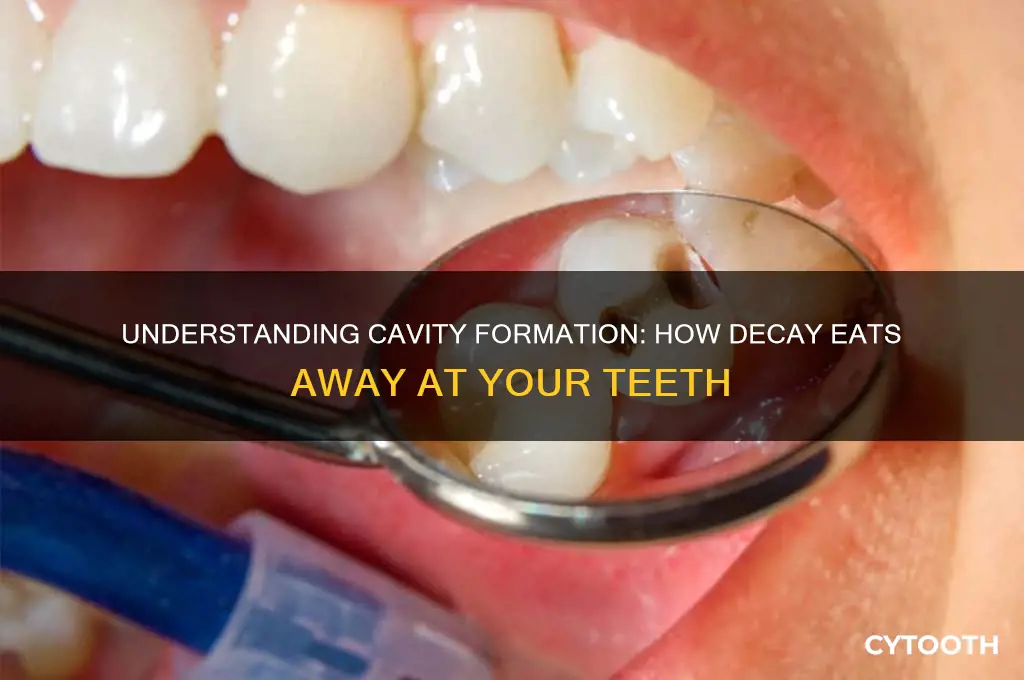
Cavities, also known as dental caries, form when the hard tissues of the tooth, including enamel and dentin, are gradually destroyed by acid-producing bacteria. This process begins with the buildup of plaque, a sticky film of bacteria and food debris, on the tooth surface. When we consume sugary or starchy foods, these bacteria metabolize the sugars, producing acids that erode the enamel over time. If left unchecked, the acid penetration deepens, eventually reaching the dentin layer, causing sensitivity and further decay. Poor oral hygiene, frequent snacking, and inadequate fluoride exposure accelerate this process, making cavities a common yet preventable dental issue.
| Characteristics | Values |
|---|---|
| Cause | Bacterial activity (primarily Streptococcus mutans) breaking down sugars and producing acids. |
| Location | Typically starts on the enamel surface, progressing to dentin and pulp if untreated. |
| Stages of Formation | 1. Demineralization (enamel loses minerals), 2. Enamel decay, 3. Dentin decay, 4. Pulp infection. |
| Risk Factors | Poor oral hygiene, frequent sugar consumption, dry mouth, acidic diet, genetic predisposition. |
| Symptoms | Early stages: none; later stages: tooth sensitivity, pain, visible holes, toothache. |
| Prevention | Regular brushing/flossing, fluoride use, limiting sugary/acidic foods, dental check-ups. |
| Treatment | Fillings, crowns, root canals (depending on severity). |
| Complications | Tooth loss, abscess, infection spread, systemic health issues (e.g., heart disease). |
| Role of Plaque | Plaque (bacterial biofilm) adheres to teeth, creating an acidic environment that erodes enamel. |
| Impact of Saliva | Saliva neutralizes acids and remineralizes enamel; reduced saliva flow increases cavity risk. |
| Latest Research | Focus on probiotics, antimicrobial peptides, and smart materials to prevent cavity formation. |
What You'll Learn
- Enamel Demineralization: Acid from bacteria dissolves tooth enamel, weakening its structure and initiating cavity formation
- Plaque Buildup: Bacteria and food debris form plaque, which sticks to teeth and produces cavity-causing acids
- Sugar Role: Frequent sugar consumption feeds bacteria, increasing acid production and accelerating enamel erosion
- Saliva Impact: Reduced saliva flow decreases natural protection, allowing acids to attack teeth unchecked
- Tooth Location: Molars and grooves trap food, making them more susceptible to cavity development

Enamel Demineralization: Acid from bacteria dissolves tooth enamel, weakening its structure and initiating cavity formation
Tooth enamel, the hardest substance in the human body, is not invincible. Its primary threat is demineralization, a process where acids erode its crystalline structure. This occurs when bacteria in the mouth metabolize sugars from food, producing lactic acid as a byproduct. Over time, repeated exposure to this acid weakens the enamel, making it more susceptible to decay. Understanding this mechanism is crucial for preventing cavities, as it highlights the direct link between dietary habits and oral health.
Consider the steps that lead to enamel demineralization. After consuming sugary or starchy foods, bacteria in dental plaque break down these carbohydrates, releasing acids. If not removed promptly, these acids remain in contact with the tooth surface, gradually dissolving the minerals in the enamel. This process is particularly harmful in children aged 6 to 19, as their enamel is still developing and more vulnerable. Adults, especially those with dry mouth conditions or poor oral hygiene, are also at risk. The key to prevention lies in minimizing acid exposure and promoting remineralization through fluoride and proper oral care.
A comparative analysis reveals that enamel demineralization is not an overnight phenomenon but a gradual process. For instance, frequent snacking on sugary foods prolongs acid attacks, accelerating damage. In contrast, limiting sugar intake and maintaining a balanced diet can significantly reduce the risk. Practical tips include rinsing the mouth with water after eating, chewing sugar-free gum to stimulate saliva production, and using fluoride toothpaste. These measures help neutralize acids and strengthen enamel, acting as a defense against cavity formation.
Persuasively, it’s essential to recognize that enamel demineralization is reversible in its early stages. White spots on teeth, often the first sign of demineralization, can be remineralized with consistent fluoride use and improved oral hygiene. However, once a cavity forms, professional intervention is necessary. This underscores the importance of proactive care, such as biannual dental check-ups and fluoride treatments, especially for high-risk individuals. Ignoring early signs can lead to more extensive and costly treatments, making prevention not just a health priority but a financial one.
Descriptively, imagine enamel as a fortress under siege. Its mineralized structure, composed primarily of hydroxyapatite, is constantly under attack by acids. When the pH in the mouth drops below 5.5, demineralization begins, stripping away essential minerals like calcium and phosphate. Over time, this creates microscopic pores in the enamel, weakening its integrity. Without intervention, these pores expand, eventually breaching the enamel’s surface and exposing the sensitive dentin beneath. This progression from demineralization to cavity formation illustrates the critical need for timely action to protect and preserve tooth structure.
Bear Head Tooth Mushroom Hibernation: Survival Secrets of Hericium Americanum
You may want to see also
Plaque Buildup: Bacteria and food debris form plaque, which sticks to teeth and produces cavity-causing acids
The mouth is a bustling ecosystem, home to billions of bacteria that coexist in a delicate balance. When we eat, especially sugary or starchy foods, these bacteria feast on the remnants left on our teeth. This feeding frenzy produces acids as byproducts, which, if not promptly removed, begin to erode the enamel—the hard, protective outer layer of the tooth. Over time, this erosion weakens the enamel, creating an entry point for decay. The culprit behind this process? Plaque, a sticky film composed of bacteria, food debris, and saliva, that clings tenaciously to tooth surfaces.
Consider this: every time you skip brushing or flossing, plaque hardens into tartar, a calcified substance that can only be removed by a dental professional. Tartar acts as a fortress for bacteria, allowing them to multiply unchecked and produce even more acid. This acid attacks the enamel in a cyclical process: demineralization occurs as minerals are leached from the enamel, and if not reversed through proper oral hygiene and remineralization (via fluoride), cavities form. For children and adults alike, the risk escalates with poor dietary choices—frequent snacking on sugary foods, for instance, provides a constant fuel source for acid production.
To combat plaque buildup, adopt a proactive oral care routine. Brush twice daily with a fluoride toothpaste, ensuring each session lasts at least two minutes. Floss daily to remove debris from between teeth, where toothbrush bristles can’t reach. Incorporate an antimicrobial mouthwash to reduce bacterial load, but avoid those with alcohol, which can dry out the mouth and disrupt the natural balance. For added protection, limit sugary snacks and beverages, and if you indulge, rinse your mouth with water afterward to neutralize acids temporarily.
A comparative look at plaque management reveals that electric toothbrushes are often more effective than manual ones, particularly for removing plaque along the gumline. Studies show that oscillating-rotating models reduce plaque by 21% more than manual brushing after three months of use. Similarly, water flossers can be a game-changer for those who struggle with traditional floss, offering a gentler yet thorough cleaning experience. However, no tool replaces the consistency of daily use—a $100 electric toothbrush gathers dust just as easily as a $2 manual one if neglected.
In essence, plaque buildup is the silent saboteur of dental health, driven by the interplay of bacteria and dietary choices. By understanding its mechanisms and adopting targeted habits, you can disrupt this process before it leads to cavities. Remember, prevention is not just about tools—it’s about technique, timing, and tenacity. Your teeth are worth the effort.
How Braces Gently Pull Teeth Forward: The Orthodontic Process Explained
You may want to see also
Sugar Role: Frequent sugar consumption feeds bacteria, increasing acid production and accelerating enamel erosion
Sugar, a staple in many diets, plays a pivotal role in the development of cavities. When you consume sugary foods or beverages, the bacteria in your mouth feast on these simple carbohydrates, producing acids as a byproduct. This process is not merely a biological reaction but a critical step in the erosion of tooth enamel. The frequency of sugar intake matters significantly; each sugary snack or drink resets the clock, providing bacteria with a fresh supply of fuel to continue acid production. For instance, sipping on a sugary drink throughout the day can keep the oral environment acidic for hours, compared to a single, quick consumption, which allows the mouth to recover more swiftly.
The mechanism is straightforward yet damaging. The acids produced by bacteria weaken the enamel, the hard outer layer of the tooth. Over time, this repeated acid exposure leads to demineralization, where essential minerals like calcium and phosphate are leached from the enamel. Without intervention, this process accelerates, eventually causing the enamel to break down and form a cavity. Research indicates that limiting sugar intake to less than 10% of daily caloric intake, as recommended by the World Health Organization, can significantly reduce the risk of cavities. For a 2,000-calorie diet, this translates to about 50 grams of sugar per day—roughly the amount in a single can of soda.
Children and adolescents are particularly vulnerable due to their higher sugar consumption and developing teeth. A study published in the *Journal of Dental Research* found that teenagers who consumed sugary drinks daily had a 50% higher risk of developing cavities compared to those who limited their intake. Parents can mitigate this risk by encouraging water consumption instead of sugary beverages, especially between meals. Additionally, teaching children to brush their teeth twice a day with fluoride toothpaste and flossing daily can help remove plaque and strengthen enamel.
Practical strategies to reduce sugar’s impact include mindful eating habits and dietary substitutions. For example, swapping sugary snacks like candy or cookies for fresh fruits or nuts can satisfy cravings while minimizing acid production. Chewing sugar-free gum after meals stimulates saliva flow, which helps neutralize acids and remineralize teeth. Another effective tactic is to rinse the mouth with water after consuming sugary foods or drinks, diluting acids and reducing their contact with teeth. These small changes, when implemented consistently, can significantly slow enamel erosion and lower the likelihood of cavity formation.
In summary, the relationship between sugar consumption and cavity formation is direct and preventable. By understanding how sugar fuels bacterial acid production and adopting targeted habits, individuals can protect their enamel and maintain oral health. Reducing sugar intake, practicing proper oral hygiene, and making informed dietary choices are actionable steps that yield long-term benefits. The key lies in consistency and awareness, transforming knowledge into a shield against the silent erosion caused by sugar.
How Do Toothbrush Bristles Stay Secure and Effective Over Time?
You may want to see also
Saliva Impact: Reduced saliva flow decreases natural protection, allowing acids to attack teeth unchecked
Saliva is often overlooked, yet it plays a critical role in maintaining oral health. Acting as the body’s natural defense mechanism, saliva neutralizes acids produced by bacteria, remineralizes tooth enamel, and washes away food particles. When saliva flow decreases—whether due to medication side effects, dehydration, or conditions like Sjögren’s syndrome—this protective barrier weakens. Without adequate saliva, acids from plaque and dietary sugars linger on tooth surfaces, eroding enamel and creating an environment ripe for cavity formation.
Consider the process step-by-step. Normally, saliva dilutes acids and delivers minerals like calcium and phosphate to repair early enamel damage. When saliva production drops, this repair process slows, and acids remain in contact with teeth longer. For instance, individuals taking antihistamines or antidepressants, which commonly reduce saliva flow, may notice increased tooth sensitivity or decay. Even temporary dehydration during intense exercise or sleep can leave teeth vulnerable. Practical tip: Sip water regularly, especially after meals, to mimic saliva’s rinsing action and reduce acid buildup.
The impact of reduced saliva flow is particularly concerning for older adults and individuals with chronic illnesses. Aging often correlates with diminished salivary gland function, while conditions like diabetes or autoimmune disorders can exacerbate dry mouth. Studies show that seniors with dry mouth are up to 60% more likely to develop cavities compared to their peers. For this demographic, proactive measures are essential: sugar-free gum or lozenges stimulate saliva production, and fluoride rinses provide additional enamel protection. Dentists may also prescribe artificial saliva substitutes for severe cases.
Comparatively, those with healthy saliva flow benefit from a self-cleaning system that works around the clock. For example, after consuming sugary snacks, saliva begins neutralizing acids within minutes, reducing the risk of enamel demineralization. In contrast, someone with dry mouth might experience prolonged acid exposure, even hours after eating. This highlights the importance of addressing saliva flow issues early. Monitoring fluid intake, avoiding alcohol and caffeine, and using a humidifier at night are simple yet effective strategies to maintain saliva production and safeguard teeth.
Ultimately, understanding the link between saliva and cavity prevention empowers individuals to take targeted action. Whether through lifestyle adjustments, hydration habits, or dental interventions, protecting saliva flow is a cornerstone of oral health. Ignoring this aspect leaves teeth defenseless against acid attacks, accelerating decay. By prioritizing saliva’s role, anyone can fortify their natural defenses and keep cavities at bay.
Exploring the Unique Bear Head Tooth Mushroom: Identification and Uses
You may want to see also
Tooth Location: Molars and grooves trap food, making them more susceptible to cavity development
Molars, the large, flat teeth at the back of the mouth, are designed for grinding food into smaller pieces. While this function is essential for digestion, it also makes them prime real estate for cavity development. Their deep grooves and pits, known as fissures, create a labyrinthine landscape where food particles easily become trapped. Unlike smoother tooth surfaces, these fissures are difficult to clean thoroughly with a toothbrush, allowing bacteria to thrive and produce acid that erodes enamel.
This anatomical vulnerability highlights the importance of targeted oral hygiene practices for molars.
Imagine a piece of steak fiber lodged in the crevices of a molar after a hearty meal. Without proper removal, this debris becomes a feast for oral bacteria, which metabolize the sugars and starches, releasing acids as byproducts. Over time, these acids demineralize the enamel, creating tiny holes or lesions. If left unchecked, these lesions deepen, eventually reaching the dentin, a softer layer beneath the enamel, leading to a full-blown cavity. This process underscores why molars, despite their strength, are disproportionately affected by decay.
Preventing cavities in molars requires a two-pronged approach: mechanical removal of debris and chemical protection of enamel. For mechanical cleaning, interdental brushes or water flossers can access hard-to-reach fissures more effectively than traditional brushing alone. Additionally, dental sealants—thin, protective coatings applied by dentists—can seal off fissures, creating a smooth surface that repels food particles and bacteria. For chemical protection, fluoride mouth rinses (0.05% sodium fluoride, used daily) or prescription-strength toothpaste (1.1% sodium fluoride) can remineralize enamel and inhibit bacterial acid production.
Children and adolescents are particularly susceptible to molar cavities due to their developing oral hygiene habits and higher consumption of sugary snacks. Parents should supervise brushing until age 7–8, ensuring molars are thoroughly cleaned. Regular dental check-ups every six months are crucial for early detection and intervention. By understanding the unique risks associated with molar anatomy, individuals can adopt proactive measures to safeguard these vital teeth from decay.
How Braces Rotate Teeth: Understanding Orthodontic Mechanics and Movement
You may want to see also
Frequently asked questions
Cavities form when bacteria in the mouth produce acids that erode tooth enamel. This happens when sugars and starches from food interact with bacteria, creating plaque, which sticks to teeth and gradually weakens enamel, leading to decay.
The time it takes for a cavity to form varies depending on factors like oral hygiene, diet, and genetics. It can take several months or even years for a cavity to develop, starting as a small area of enamel erosion and progressing deeper into the tooth if left untreated.
Cavities can form both on the surface of teeth and between them. Interdental cavities, which occur between teeth, are common because plaque can easily accumulate in these hard-to-reach areas, especially if flossing is neglected.
Early-stage cavities (enamel erosion) can sometimes be reversed with proper oral care, fluoride treatments, and a healthy diet. However, once the decay progresses into the dentin or deeper layers of the tooth, professional treatment like fillings is necessary to prevent further damage.