Ethan Brooks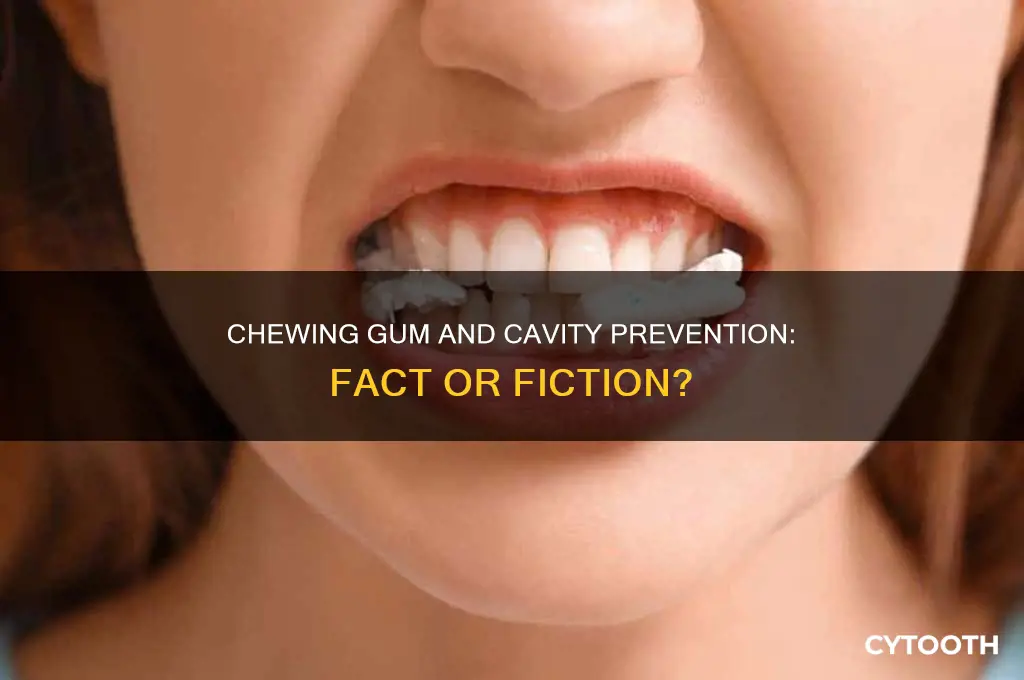
Chewing gum has long been a subject of debate in the realm of oral health, with many wondering whether it can actually help prevent cavities. While it’s not a substitute for regular brushing and flossing, certain types of sugar-free gum, particularly those containing xylitol, have been shown to stimulate saliva production, which can neutralize acids in the mouth and reduce the risk of tooth decay. The American Dental Association (ADA) even recognizes that chewing sugar-free gum for 20 minutes after meals can be a beneficial addition to a comprehensive oral care routine. However, not all gums are created equal, and those with sugar can have the opposite effect, contributing to cavities rather than preventing them. Thus, the key lies in choosing the right type of gum and understanding its role as a supplementary, rather than primary, measure in maintaining dental health.
| Characteristics | Values |
|---|---|
| Effect on Saliva Production | Chewing sugar-free gum stimulates saliva production, which helps neutralize acids and wash away food particles. |
| Reduction of Dental Plaque | Regular chewing of sugar-free gum can reduce plaque buildup, especially when containing xylitol. |
| Neutralization of Acids | Saliva produced during chewing helps neutralize harmful acids caused by bacteria in the mouth. |
| Remineralization of Teeth | Increased saliva flow aids in remineralizing tooth enamel, reducing the risk of cavities. |
| Recommended Chewing Time | Chewing for 10–20 minutes after meals is most effective for cavity prevention. |
| Sugar-Free Requirement | Only sugar-free gum is beneficial; sugar-containing gum can promote cavities. |
| Xylitol Content | Xylitol-containing gum is particularly effective in reducing cavity-causing bacteria. |
| Not a Substitute for Brushing | Chewing gum complements but does not replace regular brushing and flossing. |
| Evidence from Studies | Multiple studies show a 20–28% reduction in cavities with regular use of sugar-free gum. |
| Approved by Dental Associations | Organizations like the American Dental Association (ADA) endorse sugar-free gum for oral health. |
| Potential Side Effects | Excessive chewing may lead to jaw pain or TMJ issues in some individuals. |
| Long-Term Use | Consistent use over time is necessary to see significant cavity prevention benefits. |
What You'll Learn
- Gum's Role in Saliva Production: Increased saliva flow neutralizes acids, reduces bacterial growth, and remineralizes teeth
- Sugar-Free Gum Benefits: Xylitol and sorbitol inhibit cavity-causing bacteria and promote dental health
- Plaque Removal Mechanism: Chewing gum helps dislodge food particles and reduce plaque buildup on teeth
- Frequency and Duration: Optimal gum-chewing time to maximize cavity prevention without jaw strain
- ADA-Approved Gums: Recognized sugar-free gums that meet standards for cavity prevention and oral health

Gum's Role in Saliva Production: Increased saliva flow neutralizes acids, reduces bacterial growth, and remineralizes teeth
Chewing gum stimulates saliva production, a natural defense mechanism against cavities. Saliva acts as a buffer, neutralizing harmful acids produced by oral bacteria that erode tooth enamel. When you chew sugar-free gum, you trigger this protective process, creating an environment less conducive to decay.
Consider the mechanics: saliva contains minerals like calcium and phosphate, which repair microscopic damage to enamel—a process called remineralization. Without sufficient saliva flow, teeth remain vulnerable to acid attacks, leading to cavities. Chewing gum for 10–15 minutes after meals can increase saliva production by up to 10 times, providing immediate protection during the critical 20–30 minutes when teeth are most susceptible to acid damage.
However, not all gums are created equal. Opt for sugar-free varieties containing xylitol or sorbitol, which inhibit bacterial growth without feeding acid production. Avoid gums with added sugars, as they counteract the benefits of increased saliva flow. For children over six and adults, chewing sugar-free gum post-meal can be a practical oral hygiene supplement, but it’s not a replacement for brushing or flossing.
A cautionary note: excessive gum chewing can strain jaw muscles or exacerbate TMJ disorders. Limit sessions to 20 minutes at a time, and avoid making it a habit for those with pre-existing jaw issues. Pregnant women and individuals with digestive sensitivities should consult a healthcare provider before incorporating xylitol-containing gums into their routine.
In summary, chewing sugar-free gum harnesses the power of saliva to neutralize acids, curb bacterial growth, and strengthen enamel. It’s a simple, evidence-backed strategy to reduce cavity risk, especially when paired with proper dental care. Keep a pack handy for post-meal protection, but choose wisely and chew mindfully.
Chewing Gum and TMJ: Relief or Risk for Jaw Pain?
You may want to see also
Sugar-Free Gum Benefits: Xylitol and sorbitol inhibit cavity-causing bacteria and promote dental health
Chewing sugar-free gum can be a surprisingly effective tool in the fight against cavities, thanks to two key ingredients: xylitol and sorbitol. These sugar alcohols not only sweeten gum without feeding harmful bacteria but actively combat the acids that erode tooth enamel. Unlike regular sugar, which oral bacteria metabolize into enamel-destroying acids, xylitol and sorbitol starve these microbes, reducing their ability to thrive and cause damage. This simple act of chewing, when done with the right gum, can turn a casual habit into a proactive step for dental health.
The mechanism behind xylitol’s effectiveness is particularly noteworthy. When you chew xylitol-sweetened gum, it stimulates saliva production, which naturally neutralizes acids in the mouth and remineralizes teeth. Xylitol also has antibacterial properties, inhibiting the growth of *Streptococcus mutans*, the primary bacterium responsible for tooth decay. Studies suggest that chewing xylitol gum for 10–15 minutes after meals can significantly reduce cavity risk, especially in children and adults prone to dental issues. For optimal results, look for gum containing at least 1.0–1.5 grams of xylitol per piece and chew it 2–3 times daily.
Sorbitol, while less potent than xylitol, still plays a valuable role in sugar-free gum. It’s a non-fermentable sugar alcohol that doesn’t contribute to acid production in the mouth. Additionally, sorbitol helps maintain a neutral pH level, creating an environment less hospitable to cavity-causing bacteria. Combining sorbitol with xylitol in gum enhances its protective effects, offering a dual-action approach to dental care. However, it’s important to note that sorbitol in large quantities can have a mild laxative effect, so moderation is key—stick to the recommended serving sizes indicated on the packaging.
Incorporating sugar-free gum into your oral hygiene routine is simple but requires mindfulness. Chew it for at least 20 minutes after meals to maximize saliva production and bacterial inhibition. Avoid over-relying on gum as a substitute for brushing and flossing, as it complements—not replaces—traditional dental care. Parents should supervise children under 6 to prevent choking hazards and ensure they don’t overconsume xylitol or sorbitol. When chosen wisely, sugar-free gum becomes more than a breath freshener—it’s a practical, portable ally in maintaining a healthy smile.
Chewing Gum and Headaches: Unraveling the Surprising Connection
You may want to see also
Plaque Removal Mechanism: Chewing gum helps dislodge food particles and reduce plaque buildup on teeth
Chewing gum acts as a mechanical cleanser for your teeth, mimicking the action of a toothbrush in between meals. When you chew, the rhythmic motion stimulates saliva production and physically dislodges food particles trapped between teeth and along the gum line. This is particularly effective for removing starchy or sugary debris, which oral bacteria thrive on to produce acid and form plaque. Think of it as a temporary scrub for your teeth, especially after snacks or meals when brushing isn’t immediately possible.
The effectiveness of this mechanism depends on both the type of gum and the duration of chewing. Sugar-free gum is essential, as sugar-laden varieties can counteract the benefits by feeding the very bacteria you’re trying to combat. Aim to chew for 10–15 minutes after eating to maximize plaque disruption and saliva flow. Xylitol-sweetened gums are particularly beneficial, as xylitol has been shown to inhibit bacterial growth. For children over six and adults, this practice can be a practical supplement to regular oral hygiene, but it’s not a replacement for brushing and flossing.
While chewing gum can help reduce plaque, it’s not a one-size-fits-all solution. Individuals with jaw issues, such as temporomandibular joint (TMJ) disorders, should avoid prolonged chewing to prevent discomfort. Additionally, excessive gum chewing can lead to tooth sensitivity or wear on dental work like fillings or crowns. Moderation is key—limit gum chewing to 2–3 times a day, focusing on post-meal sessions for optimal plaque removal.
Comparing gum chewing to other interdental cleaning methods, it’s less effective than flossing or using interdental brushes but far superior to doing nothing. Its convenience and accessibility make it a valuable tool for maintaining oral health on the go. For instance, after a sticky granola bar or a sugary coffee, chewing gum can provide immediate relief by dislodging remnants before they harden into plaque. Pair this habit with twice-daily brushing and regular dental check-ups for a comprehensive approach to cavity prevention.
Incorporating chewing gum into your oral care routine requires mindfulness. Choose sugar-free, xylitol-sweetened gum, chew for 10–15 minutes post-meal, and avoid overdoing it to protect your jaw and dental work. While it’s not a cure-all, this simple habit can significantly reduce plaque buildup, especially in situations where brushing isn’t feasible. Think of it as a portable, discreet tool in your fight against cavities—one that complements, rather than replaces, your toothbrush and floss.
Chewing Gum with Braces: Safe Practice or Risky Habit?
You may want to see also
Frequency and Duration: Optimal gum-chewing time to maximize cavity prevention without jaw strain
Chewing gum can be a simple, effective way to reduce cavities, but only if done correctly. The key lies in understanding the optimal frequency and duration to stimulate saliva production without overworking your jaw. Aim to chew sugar-free gum for 10–15 minutes after meals, up to 3–4 times daily. This timing aligns with the critical period when food particles linger in your mouth, allowing saliva to neutralize acids and wash away debris. Exceeding 20 minutes per session risks jaw fatigue, while less than 10 minutes may not provide sufficient oral benefits.
Consider the analogy of exercise: just as short, consistent workouts build strength without strain, brief, regular gum-chewing sessions optimize oral health. For adults and children over 12, this routine is practical and sustainable. Younger children should avoid prolonged chewing due to the risk of swallowing gum or overtaxing developing jaw muscles. Always choose gum with the ADA Seal of Acceptance, ensuring it contains cavity-fighting ingredients like xylitol or sorbitol.
While the benefits are clear, overdoing it can backfire. Chewing for more than 30 minutes at a stretch or exceeding 4 sessions daily may lead to temporomandibular joint (TMJ) discomfort or tooth sensitivity. Balance is crucial—think of it as a supplement to, not a replacement for, brushing and flossing. Pair gum-chewing with a fluoride toothpaste and regular dental checkups for comprehensive care.
Practical tips can enhance effectiveness. Chew immediately after meals, especially sugary or starchy ones, to counteract acid production. Keep a pack of sugar-free gum in your bag or desk for convenience. If you experience jaw soreness, reduce duration or frequency, and consult a dentist if symptoms persist. By respecting these guidelines, you can harness gum’s cavity-fighting potential without unnecessary strain.
Chewing Gum and Dental Health: Myth or Harmful Habit?
You may want to see also
ADA-Approved Gums: Recognized sugar-free gums that meet standards for cavity prevention and oral health
Chewing gum can indeed play a role in preventing cavities, but not all gums are created equal. The American Dental Association (ADA) has established a seal of approval for sugar-free gums that meet specific criteria for promoting oral health. These ADA-approved gums are recognized for their ability to stimulate saliva production, neutralize acids, and reduce the risk of tooth decay. When selecting a gum, look for the ADA seal—a small but significant indicator that the product has undergone rigorous testing and meets high standards for cavity prevention.
The mechanism behind ADA-approved gums lies in their sugar-free formulation and active ingredients. Sugar-free gums typically contain sweeteners like xylitol, sorbitol, or erythritol, which do not feed the bacteria responsible for producing cavity-causing acids. Additionally, chewing these gums increases saliva flow, which helps wash away food particles, neutralize acids, and remineralize tooth enamel. For optimal benefits, chew ADA-approved gum for 20 minutes after meals, as this is the most effective duration to stimulate saliva production without overworking the jaw.
Not all sugar-free gums qualify for ADA approval, and the distinction is crucial. To earn the ADA seal, a gum must provide clinical evidence demonstrating its effectiveness in reducing cavities and promoting oral health. This process involves studies showing that the gum can neutralize plaque acids, reduce gingivitis, or strengthen tooth enamel. For consumers, choosing an ADA-approved gum ensures that the product is backed by scientific research and is a reliable tool in maintaining oral hygiene.
Incorporating ADA-approved gums into your oral care routine is simple but requires consistency. Adults and children over the age of six can benefit from chewing these gums, though it’s essential to supervise younger children to prevent choking hazards. Pair gum chewing with other oral health practices, such as brushing twice daily with fluoride toothpaste and flossing regularly. While ADA-approved gums are a helpful adjunct, they are not a substitute for proper dental care or regular check-ups with a dentist.
For those seeking practical tips, consider keeping a pack of ADA-approved gum in your desk, car, or bag for easy access after meals or snacks. Avoid over-relying on gum as a sole solution for oral health, but use it as a complementary strategy. Remember, the key to cavity prevention is a holistic approach—combining good habits, regular dental visits, and scientifically-backed products like ADA-approved gums to protect your smile.
Frequently asked questions
Yes, chewing sugar-free gum can help prevent cavities by stimulating saliva production, which neutralizes acids and washes away food particles.
Sugar-free gum, particularly those containing xylitol, is best for preventing cavities as it doesn’t contribute to tooth decay and may inhibit bacterial growth.
Chewing sugar-free gum for 10–20 minutes after meals can effectively reduce the risk of cavities by increasing saliva flow and cleaning the teeth.
No, chewing gum is a supplement to oral hygiene, not a replacement. Brushing twice a day and flossing daily are still essential for preventing cavities.
Chewing gum excessively can lead to jaw pain or TMJ issues. Additionally, gum with sugar can actually increase the risk of cavities, so always choose sugar-free options.