Ethan Brooks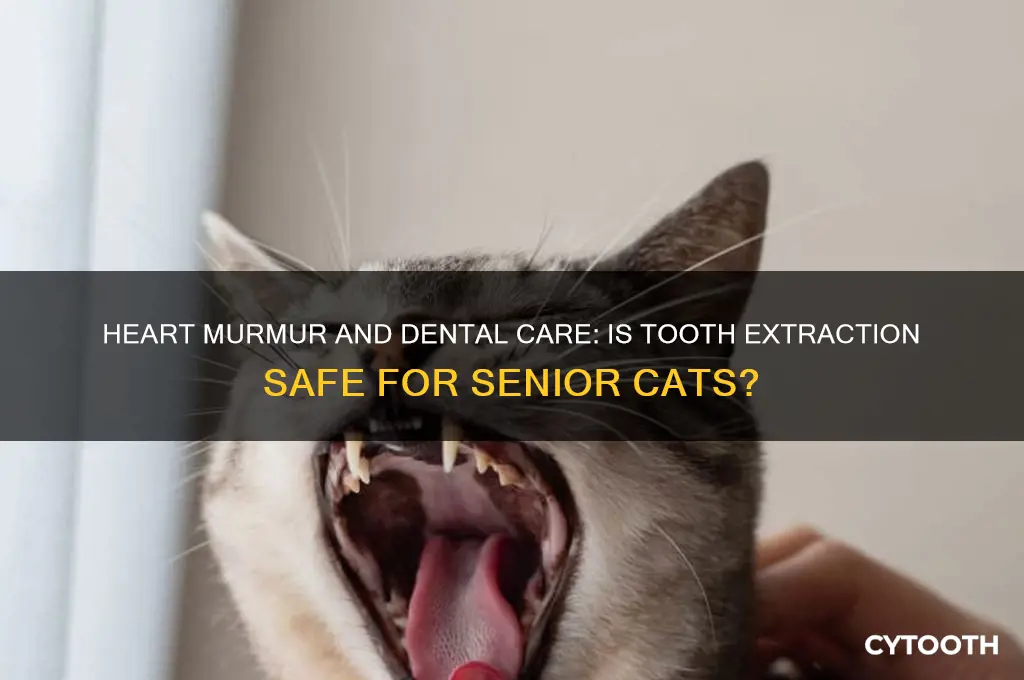
Older cats with a heart murmur often present a unique challenge when considering dental procedures like tooth extraction surgery. The presence of a heart murmur indicates an underlying cardiac issue, which can complicate anesthesia and recovery. However, dental health is crucial for overall well-being, as untreated dental disease can exacerbate existing health problems. Before proceeding with surgery, a thorough veterinary evaluation is essential to assess the cat’s cardiac function, stage of dental disease, and overall health. With careful pre-surgical planning, including cardiac stabilization, tailored anesthesia protocols, and post-operative monitoring, many older cats with heart murmurs can safely undergo tooth extraction, though the decision should always be made on a case-by-case basis in consultation with a veterinarian.
| Characteristics | Values |
|---|---|
| Feasibility of Surgery | Possible, but requires thorough evaluation of the cat's overall health. |
| Pre-Surgical Assessment | Full cardiac workup (e.g., echocardiogram, bloodwork) to assess heart condition. |
| Anesthesia Risk | Higher risk due to heart murmur; requires specialized anesthesia protocols. |
| Veterinary Expertise | Requires a veterinarian experienced in cardiology and anesthesia. |
| Monitoring During Surgery | Continuous cardiac and vital sign monitoring is essential. |
| Post-Surgical Care | Close monitoring, pain management, and cardiac support as needed. |
| Alternative Options | Non-surgical dental care or less invasive procedures may be considered. |
| Prognosis | Varies based on the severity of the heart murmur and overall health. |
| Common Concerns | Risk of complications like arrhythmias or heart failure during surgery. |
| Owner Considerations | Balancing dental health benefits against potential cardiac risks. |
| Latest Recommendations | Individualized approach based on the cat's specific condition and risks. |
What You'll Learn

Pre-surgery health assessment for older cats with heart murmurs
Older cats with heart murmurs require a meticulous pre-surgery health assessment to ensure their safety during procedures like tooth extraction. This evaluation goes beyond routine checks, focusing on cardiovascular stability, organ function, and overall resilience. A comprehensive blood panel, including complete blood count (CBC) and biochemistry profile, is essential to identify anemia, kidney dysfunction, or liver issues that could complicate anesthesia. Additionally, a cardiac workup—such as an echocardiogram or electrocardiogram (ECG)—helps grade the murmur’s severity and assess heart function. For instance, a cat with a grade IV/VI murmur may need tailored anesthesia protocols or even pre-treatment with medications like pimobendan to optimize cardiac output.
The anesthesia plan itself demands careful consideration. Older cats with heart murmurs are at higher risk for hypotension and arrhythmias under general anesthesia. Pre-medication with short-acting sedatives like dexmedetomidine (0.005–0.01 mg/kg IM) can reduce stress and lower heart rate, but dosages must be adjusted based on the cat’s weight, age, and cardiac status. Inhalant anesthetics like isoflurane or sevoflurane are preferred for their titratability, allowing the veterinarian to maintain light anesthesia and minimize cardiovascular strain. Continuous monitoring—including blood pressure, ECG, and SpO2—is non-negotiable during the procedure.
Hydration status plays a critical role in pre-surgery preparation. Dehydration, common in older cats, can exacerbate hypotension and reduce cardiac output. Administering intravenous fluids (e.g., lactated Ringer’s solution at 5–10 mL/kg/hr) pre- and post-operatively helps maintain blood pressure and organ perfusion. For cats with concurrent kidney disease, fluid rates must be carefully balanced to avoid volume overload. A quick capillary refill time test (CRT) and mucous membrane color assessment can provide immediate insights into hydration and perfusion status.
Pain management is another cornerstone of pre-surgery planning. Older cats often mask discomfort, making it crucial to address pain proactively. Non-steroidal anti-inflammatory drugs (NSAIDs) are generally avoided due to renal and gastrointestinal risks, especially in cats with pre-existing conditions. Instead, multimodal analgesia—combining opioids like buprenorphine (0.01–0.02 mg/kg IM or orally) with local nerve blocks or alpha-2 agonists—offers safer, effective pain control. Post-operative monitoring for respiratory depression or sedation is mandatory when using opioids.
Finally, the decision to proceed with surgery hinges on a risk-benefit analysis. While tooth extraction can alleviate pain and infection, the procedure’s urgency must be weighed against the cat’s cardiac and overall health. For example, a cat with a severe periodontal abscess causing systemic illness may require immediate intervention, whereas elective extractions might be deferred until cardiac stabilization. Collaboration between the veterinarian, cardiologist, and owner ensures an informed, compassionate decision tailored to the cat’s unique needs.
Invisalign and Tooth Extraction: Can They Work Together Effectively?
You may want to see also
Anesthesia risks in cats with heart conditions
Cats with heart murmurs face heightened anesthesia risks due to compromised cardiovascular function. A murmur often indicates underlying heart disease, such as hypertrophic cardiomyopathy, which can impair the heart’s ability to pump blood effectively. During anesthesia, drugs like isoflurane or sevoflurane depress myocardial contractility and reduce blood pressure, exacerbating strain on an already weakened heart. For older cats, whose cardiac reserve is naturally diminished, this combination can lead to life-threatening complications, including arrhythmias, congestive heart failure, or sudden cardiac arrest.
Pre-surgical evaluation is critical for mitigating these risks. A thorough cardiac workup, including echocardiography and blood pressure monitoring, helps assess the severity of heart disease. Cats with mild murmurs (e.g., grade I-II on a VI scale) may tolerate anesthesia better than those with severe murmurs (grade V-VI), but individual variability is significant. Additionally, stabilizing heart function preoperatively with medications like beta-blockers (e.g., atenolol 0.5–1 mg/kg daily) or diuretics (e.g., furosemide 1–2 mg/kg as needed) can improve outcomes. However, these drugs must be carefully titrated to avoid hypotension or bradycardia during surgery.
Anesthesia protocols for cats with heart murmurs require meticulous planning. Short-acting agents with rapid recovery profiles, such as propofol for induction and isoflurane for maintenance, are preferred. Maintaining normothermia, hydration, and electrolyte balance is essential, as hypothermia and dehydration can further stress the heart. Continuous monitoring of ECG, blood pressure, and oxygen saturation allows for immediate intervention if complications arise. For example, a sudden drop in blood pressure may necessitate vasopressor support (e.g., dopamine 2–5 μg/kg/min) to stabilize circulation.
Postoperative care is equally vital to ensure recovery. Cats should be monitored in a warm, quiet environment until fully awake, with close observation for respiratory distress or lethargy. Pain management is crucial but must be tailored to avoid medications that worsen cardiac function, such as NSAIDs, which can reduce renal perfusion and exacerbate heart strain. Instead, options like buprenorphine (0.01–0.02 mg/kg every 6–8 hours) or gabapentin (5–10 mg/kg every 8–12 hours) are safer alternatives. Early detection of complications, such as pulmonary edema or arrhythmias, can significantly improve prognosis.
Ultimately, while tooth extraction surgery is possible for older cats with heart murmurs, it requires a multidisciplinary approach involving veterinarians, cardiologists, and anesthesiologists. Balancing the necessity of dental care against anesthesia risks demands careful case-by-case assessment. With proper preparation, monitoring, and postoperative care, many cats can undergo surgery safely, but the decision should never be taken lightly. Owners must weigh the potential benefits against the risks, guided by expert veterinary advice.
Ice Cream After Tooth Extraction: Safe Treats for Your Child?
You may want to see also
Post-extraction recovery considerations for senior felines
Senior cats with heart murmurs face unique challenges during post-extraction recovery, requiring tailored care to minimize stress and complications. Their advanced age often coincides with reduced organ function, while the heart murmur may indicate underlying cardiac strain. This combination demands a delicate balance between pain management, hydration, and monitoring for signs of distress. For instance, non-steroidal anti-inflammatory drugs (NSAIDs), commonly used for pain relief, can exacerbate kidney or heart issues in older cats, necessitating alternatives like gabapentin or low-dose opioids under veterinary guidance.
Hydration becomes a critical focus during recovery, as senior cats are prone to dehydration, which can worsen cardiac and renal function. Subcutaneous fluids, administered at home under veterinary instruction, can help maintain fluid balance. Encouraging water intake through wet food or low-sodium broths is equally vital. However, forceful feeding or handling should be avoided, as stress can trigger cardiac episodes in cats with murmurs. Instead, create a quiet, comfortable recovery space with easy access to food, water, and a litter box to reduce physical exertion.
Monitoring for subtle signs of distress is essential, as senior cats may mask discomfort. Watch for labored breathing, lethargy, or refusal to eat, which could indicate pain, infection, or cardiac decompensation. Regular, gentle checks of the extraction site for swelling or discharge are necessary, but avoid excessive handling. If sutures are present, ensure the cat cannot paw at them, as this risks infection and suture failure. Elizabethan collars may be necessary but should be lightweight to avoid additional stress.
Finally, post-extraction recovery in senior cats with heart murmurs requires close veterinary collaboration. Follow-up appointments are crucial to assess healing, adjust medications, and monitor cardiac status. Owners should maintain a detailed log of the cat’s behavior, appetite, and any observed abnormalities to aid the veterinarian in making informed decisions. With careful management, these felines can recover comfortably, but vigilance and adaptability are key to navigating their unique vulnerabilities.
Soft Toys After Dog Tooth Extraction: Safe Playtime Tips
You may want to see also
Dental vs. cardiac health priority in older cats
Older cats with heart murmurs often present a delicate balance between managing cardiac health and addressing dental issues. A heart murmur indicates an abnormal blood flow through the heart, which can complicate surgical procedures like tooth extractions. However, untreated dental disease can lead to systemic infections, exacerbating cardiac conditions. This dilemma forces veterinarians and pet owners to weigh the risks and benefits of dental intervention in cats with pre-existing heart issues.
Analyzing the Risks: Dental Disease vs. Cardiac Strain
Dental disease in older cats is pervasive, with over 70% of cats showing signs of periodontal disease by age 3. Left untreated, bacterial infections from the mouth can enter the bloodstream, potentially causing endocarditis—a life-threatening condition for cats with heart murmurs. On the other hand, anesthesia for tooth extraction surgery increases cardiac workload, posing risks like arrhythmias or heart failure. Veterinarians often perform pre-surgical evaluations, including echocardiograms and bloodwork, to assess the cat’s cardiac stability before proceeding.
Prioritizing Health: A Step-by-Step Approach
- Evaluate Cardiac Status: Cats with mild murmurs (grades I-II) may tolerate surgery better than those with severe murmurs (grades V-VI). Medications like beta-blockers or diuretics may be prescribed pre-surgery to stabilize heart function.
- Address Dental Urgency: If a tooth is abscessed or severely infected, extraction becomes a priority to prevent systemic spread of bacteria.
- Optimize Anesthesia: Use short-acting anesthetics like sevoflurane and monitor vital signs continuously. Intravenous fluids are essential to maintain blood pressure and cardiac output.
- Post-Surgical Care: Administer pain management (e.g., buprenorphine at 0.01–0.02 mg/kg) and antibiotics (e.g., amoxicillin-clavulanate at 12.5–25 mg/kg twice daily) to prevent complications.
Persuasive Argument: Why Dental Health Cannot Wait
Delaying dental treatment in older cats with heart murmurs can be more dangerous than the surgery itself. Chronic dental pain reduces quality of life, and oral bacteria can worsen cardiac conditions. Studies show that cats with untreated dental disease have a higher risk of developing heart valve infections. By addressing dental issues promptly, even under controlled surgical conditions, you mitigate long-term cardiac risks and improve overall health.
Comparative Insight: Balancing Two Critical Systems
While cardiac health is non-negotiable, dental health is equally vital for older cats. The key lies in individualized care. For instance, a 12-year-old cat with a grade III murmur and a fractured tooth might undergo extraction under strict monitoring, whereas a cat with a grade VI murmur and mild gingivitis may require palliative dental care instead. Collaboration between cardiologists and veterinarians ensures tailored solutions, prioritizing both systems without compromising one for the other.
Practical Tips for Pet Owners
- Monitor your cat for signs of dental pain (e.g., drooling, reluctance to eat) or cardiac distress (e.g., coughing, lethargy).
- Maintain regular veterinary check-ups to catch issues early.
- Brush your cat’s teeth daily or use dental gels/treats approved by your vet to prevent disease progression.
- Discuss all risks and alternatives with your veterinarian before agreeing to surgery.
By understanding the interplay between dental and cardiac health, pet owners can make informed decisions, ensuring their older cats live comfortably and safely.
Immediate Dental Implants: Can You Replace Extracted Teeth Right Away?
You may want to see also
Veterinary monitoring during and after tooth extraction surgery
Older cats with heart murmurs present a unique challenge during dental procedures like tooth extractions. Their cardiovascular vulnerability demands meticulous veterinary monitoring to balance the necessity of surgery with the risks of anesthesia and stress. Pre-operative assessments, including echocardiograms and bloodwork, are critical to gauge the severity of the murmur and overall cardiac function. This baseline data informs the anesthesiologist’s choice of drugs and dosages, often favoring short-acting agents like propofol or isoflurane, which are gentler on the heart. Continuous monitoring during surgery—via ECG, blood pressure cuffs, and pulse oximetry—ensures immediate detection of arrhythmias or hypotension, allowing for swift intervention.
Post-operative care is equally vital, as older cats may struggle with recovery due to reduced cardiac reserve. Veterinary teams should prioritize pain management with feline-safe analgesics, such as buprenorphine (0.01–0.02 mg/kg), to prevent stress-induced cardiac strain. Oxygen supplementation and a warm, quiet recovery environment help stabilize vital signs. Monitoring should continue for at least 24 hours, focusing on heart rate, respiratory rate, and gum color to detect signs of distress or complications. Owners must be educated on red flags, such as lethargy, pale gums, or difficulty breathing, which warrant immediate veterinary attention.
A comparative analysis of monitoring protocols reveals that older cats with heart murmurs benefit from a tiered approach. For mild murmurs (Grade I–II), standard monitoring may suffice, but higher grades (III–VI) necessitate advanced measures like arterial blood pressure monitoring and point-of-care ultrasound. Fluid therapy, administered cautiously to avoid volume overload, is often employed to maintain perfusion without exacerbating cardiac workload. The goal is to strike a balance between supportive care and avoiding over-intervention, which can stress the cat further.
Practical tips for veterinarians include using a warming blanket to prevent hypothermia, which can depress cardiac function, and avoiding non-steroidal anti-inflammatory drugs (NSAIDs) due to their renal and cardiac risks in older cats. Instead, multimodal analgesia combining opioids and gabapentin (5–10 mg/kg) can provide effective pain relief. Regular rechecks within the first week post-surgery are essential to assess healing and cardiac stability. By tailoring monitoring and care to the individual cat’s needs, veterinarians can safely perform tooth extractions while minimizing cardiac risks.
Post-Tooth Extraction Soccer: Safe Play Guidelines for Kids
You may want to see also
Frequently asked questions
It depends on the cat's overall health and the severity of the heart murmur. A thorough veterinary evaluation, including cardiac testing, is necessary to determine if the cat is a suitable candidate for surgery.
Risks include anesthesia complications, such as respiratory distress or cardiac instability, due to the stress of surgery on the heart. Pre-surgical assessments and tailored anesthesia protocols can help mitigate these risks.
A heart murmur may indicate underlying cardiac issues that could increase the risk of anesthesia. Veterinarians may adjust anesthesia type and dosage, and closely monitor the cat during surgery to ensure safety.
In some cases, non-surgical dental care, such as professional cleanings or antibiotic therapy, may be considered. However, if the tooth is severely infected or damaged, extraction may still be the best option to prevent further health complications.