Hailey Morgan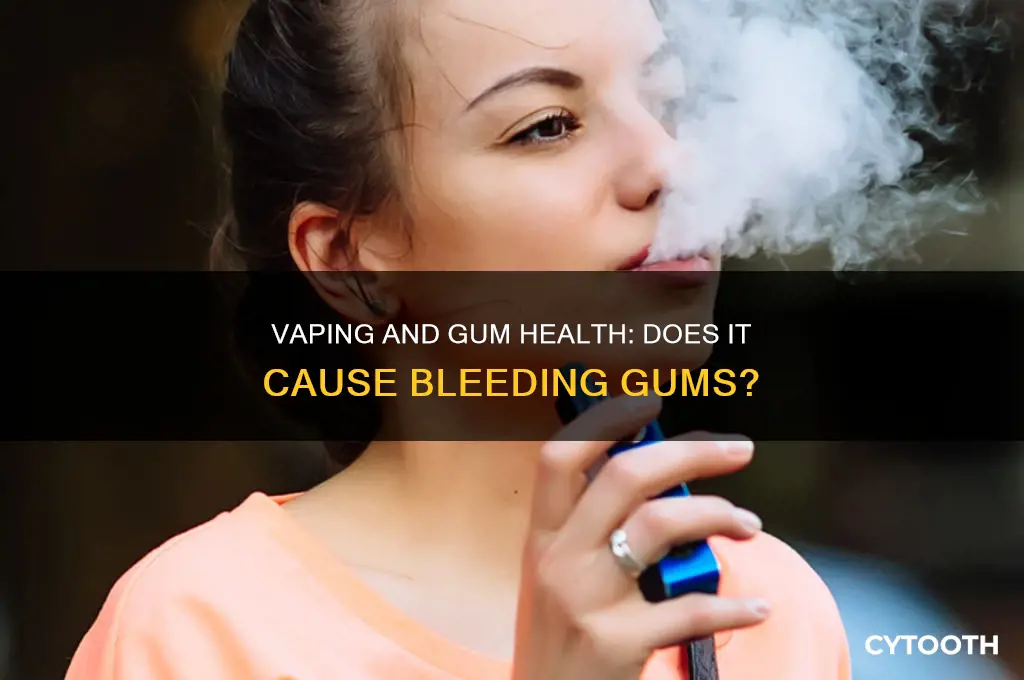
Vaping has become increasingly popular as an alternative to traditional smoking, but its impact on oral health remains a topic of concern. Many users have reported experiencing gum bleeding, raising questions about whether vaping is the culprit. While research is still evolving, studies suggest that the chemicals and nicotine in e-cigarette vapor can irritate gum tissue, reduce blood flow, and impair the body’s ability to heal, potentially leading to gum inflammation and bleeding. Additionally, vaping may dry out the mouth, reducing saliva production, which is essential for protecting gums from bacteria and maintaining oral health. Understanding the link between vaping and gum bleeding is crucial for users to make informed decisions about their habits and take proactive steps to protect their oral well-being.
| Characteristics | Values |
|---|---|
| Direct Link to Gum Bleeding | Vaping can irritate gums due to chemicals and nicotine, potentially causing inflammation and bleeding. |
| Nicotine Impact | Nicotine reduces blood flow to gums, weakening tissues and increasing bleeding risk. |
| Chemical Irritants | Vape aerosols contain irritants like propylene glycol and flavorings, which may harm oral tissues. |
| Dry Mouth (Xerostomia) | Vaping reduces saliva production, leading to dry mouth and increased gum irritation/bleeding. |
| Immune System Suppression | Vaping weakens the immune system, reducing the body's ability to fight gum infections. |
| Prevalence in Vapers | Studies show vapers report higher rates of gum bleeding compared to non-vapers. |
| Reversibility | Quitting vaping may reduce gum bleeding over time as oral health improves. |
| Comparison to Smoking | Vaping may cause less gum bleeding than smoking but still poses risks due to shared chemicals. |
| Oral Hygiene Impact | Poor oral hygiene combined with vaping increases the likelihood of gum bleeding. |
| Long-Term Effects | Chronic vaping may lead to persistent gum issues, including bleeding and gum disease. |
| Medical Advice | Dentists recommend quitting vaping and maintaining good oral hygiene to prevent gum bleeding. |
What You'll Learn
- Nicotine's Impact on Blood Flow: Vaping constricts blood vessels, reducing gum tissue oxygen, potentially causing bleeding
- Chemical Irritation: E-liquid chemicals irritate gums, leading to inflammation and bleeding over time
- Dry Mouth Effect: Vaping reduces saliva, increasing gum dryness and susceptibility to bleeding
- Gum Disease Risk: Vaping may worsen gingivitis, a common cause of gum bleeding
- Healing Impairment: Vaping slows gum tissue repair, prolonging bleeding and oral health issues

Nicotine's Impact on Blood Flow: Vaping constricts blood vessels, reducing gum tissue oxygen, potentially causing bleeding
Nicotine, a key component in vaping products, acts as a vasoconstrictor, meaning it narrows blood vessels and reduces blood flow. This effect is particularly pronounced in the delicate tissues of the mouth, including the gums. When blood flow is restricted, oxygen delivery to gum tissue decreases, compromising its health and resilience. Over time, this oxygen deprivation can weaken gum tissue, making it more susceptible to irritation, inflammation, and bleeding, especially during brushing or flossing.
Consider the mechanism at play: nicotine binds to receptors in the blood vessel walls, triggering a cascade of events that lead to constriction. Studies show that even a single vaping session can cause a measurable reduction in blood flow, with effects lasting up to 90 minutes. For habitual vapers, this chronic vasoconstriction can exacerbate existing oral health issues or create new ones. For instance, a 2021 study published in the *Journal of Periodontology* found that regular e-cigarette users had a 42% higher likelihood of experiencing gum bleeding compared to non-users.
To mitigate these risks, it’s essential to monitor nicotine intake and adopt protective oral hygiene practices. Limiting vaping sessions to fewer than five per day and opting for lower nicotine concentrations (e.g., 3–6 mg/mL instead of 12–18 mg/mL) can reduce vasoconstrictive effects. Additionally, incorporating a gentle, soft-bristled toothbrush and alcohol-free mouthwash into your routine can minimize gum irritation. For those over 40 or with pre-existing gum disease, consulting a dentist before vaping is crucial, as age and underlying conditions amplify the risk of bleeding gums.
A comparative analysis highlights the difference between vaping and traditional smoking. While both deliver nicotine, vaping’s aerosolized delivery system allows for faster nicotine absorption, potentially intensifying vasoconstriction. However, vaping lacks the tar and combustion byproducts of cigarettes, which can also damage gums. This trade-off underscores the importance of informed decision-making: if you vape, prioritize moderation and oral care to counteract nicotine’s impact on blood flow and gum health.
Finally, a descriptive perspective reveals the tangible consequences of nicotine-induced vasoconstriction. Imagine gum tissue as a sponge—when well-oxygenated, it’s plump and resilient, but when starved of oxygen, it becomes dry, brittle, and prone to tearing. This analogy illustrates why vapers often notice bleeding gums during routine dental care. By understanding this process, individuals can take proactive steps to preserve their oral health, ensuring that vaping doesn’t come at the cost of their gums.
COVID and Gum Pain: Unraveling the Connection and Symptoms
You may want to see also
Chemical Irritation: E-liquid chemicals irritate gums, leading to inflammation and bleeding over time
E-liquids, the lifeblood of vaping devices, contain a cocktail of chemicals that, while generally considered less harmful than traditional cigarette smoke, can still pose significant risks to oral health. The primary components—propylene glycol, vegetable glycerin, nicotine, and flavorings—each have the potential to irritate the delicate tissues of the mouth, including the gums. Propylene glycol, for instance, is a known irritant that can cause dryness and inflammation when inhaled regularly. This chronic irritation sets the stage for gum issues, as the gums become more susceptible to bleeding and infection over time.
Consider the mechanism of action: when vaporized, these chemicals come into direct contact with the oral mucosa, including the gums. Nicotine, a vasoconstrictor, reduces blood flow to the gum tissues, impairing their ability to heal and fight off infection. Flavorings, often overlooked, can contain aldehydes and ketones, which are known to cause allergic reactions and tissue irritation. Even low concentrations of these substances, typically ranging from 1% to 5% in e-liquids, can accumulate and exacerbate gum problems with prolonged use. For example, a vaper consuming 3-5 ml of e-liquid daily could be exposing their gums to repeated irritation, leading to chronic inflammation.
To mitigate these risks, vapers should adopt specific practices. First, opt for e-liquids with fewer additives and higher-quality ingredients. Reducing nicotine concentration, starting at 6 mg/ml or lower, can minimize vasoconstriction and improve gum health. Regular oral hygiene is non-negotiable—brush twice daily with a soft-bristled toothbrush and floss to remove any residue that may accumulate along the gumline. Additionally, staying hydrated can counteract the drying effects of propylene glycol, helping to maintain a healthy oral environment.
Comparing vaping to smoking reveals a nuanced picture. While vaping eliminates the tar and combustion byproducts of cigarettes, it introduces a unique set of chemical irritants. Smokers transitioning to vaping may notice initial improvements in gum health due to reduced exposure to tobacco toxins, but the long-term effects of e-liquid chemicals cannot be ignored. Studies suggest that dual users—those who both vape and smoke—may experience compounded oral health issues, underscoring the importance of complete cessation for optimal gum health.
In conclusion, the chemical composition of e-liquids plays a direct role in gum irritation and bleeding. By understanding the specific irritants and their mechanisms, vapers can take proactive steps to protect their oral health. While vaping may be a less harmful alternative to smoking, it is not without risks, particularly to the gums. Awareness and preventive measures are key to avoiding the unintended consequences of this popular habit.
Crafting Spruce Gum: A Step-by-Step Guide to Making Natural Chewing Gum
You may want to see also
Dry Mouth Effect: Vaping reduces saliva, increasing gum dryness and susceptibility to bleeding
Vaping's impact on oral health extends beyond the obvious concerns, with one significant yet often overlooked consequence being its contribution to dry mouth. The act of vaping introduces various chemicals and particles into the oral cavity, which can interfere with the natural production of saliva. Saliva is essential for maintaining oral health as it helps neutralize acids, remineralize teeth, and wash away food particles. When vaping reduces saliva production, it sets off a chain reaction that can lead to gum issues, including bleeding.
The mechanism behind this is both simple and alarming. Nicotine, a common component in e-liquids, is known to constrict blood vessels, reducing blood flow to the gums. This reduced blood flow impairs the delivery of nutrients and oxygen, making gum tissues more vulnerable. Simultaneously, the decrease in saliva leaves the mouth dry, creating an environment where bacteria thrive. These bacteria produce acids that irritate the gums, leading to inflammation and, eventually, bleeding. For individuals who vape frequently, this process can exacerbate existing gum conditions or even trigger new ones.
Consider the practical implications for daily oral care. If you’re a vaper, you might notice your mouth feels drier than usual, especially after prolonged use. This dryness isn’t just uncomfortable—it’s a warning sign. To counteract this, increase your water intake, aiming for at least 8–10 glasses daily. Chewing sugar-free gum can also stimulate saliva production, but ensure it’s free of added sugars to avoid further oral health issues. Additionally, using a humidifier at night can help maintain moisture levels in your mouth and throat, particularly if you vape before bed.
Comparing vaping to traditional smoking reveals a similar yet distinct oral health risk profile. While smoking is notorious for causing gum disease, vaping’s dry mouth effect presents a unique challenge. Smokers often experience staining and accelerated gum recession, but vapers may face increased bleeding due to the specific chemical interactions in e-liquids. This distinction highlights the need for vapers to adopt targeted oral hygiene practices, such as using alcohol-free mouthwash to avoid further drying and flossing gently to prevent gum irritation.
In conclusion, the dry mouth effect from vaping is a critical factor in understanding why gums may bleed. By reducing saliva production, vaping creates an environment ripe for bacterial growth and gum inflammation. Addressing this issue requires proactive measures, from staying hydrated to adjusting oral care routines. Awareness and action are key to mitigating this often-overlooked consequence of vaping.
Crafting Bubble Gum Flavor: Ingredients, Techniques, and Secrets Revealed
You may want to see also
Gum Disease Risk: Vaping may worsen gingivitis, a common cause of gum bleeding
Vaping's impact on oral health is a growing concern, particularly its potential to exacerbate gingivitis, a prevalent gum disease characterized by inflammation and bleeding. Research suggests that the chemicals in e-cigarette vapor can irritate the delicate tissues in the mouth, leading to increased susceptibility to bacterial infections. Nicotine, a common component in vape liquids, is known to constrict blood vessels, reducing blood flow to the gums and impairing their ability to heal and fight off infection. This creates a vicious cycle where compromised gums become more vulnerable to the harmful effects of vaping, further deteriorating oral health.
Consider the following scenario: a 25-year-old regular vaper notices their gums bleeding after brushing. While occasional bleeding can result from aggressive brushing, persistent or frequent occurrences may indicate an underlying issue. The act of vaping introduces a myriad of chemicals, including propylene glycol and vegetable glycerin, which can dehydrate the mouth, reducing saliva production. Saliva plays a crucial role in neutralizing acids and washing away food particles, so its reduction can lead to a buildup of plaque and bacteria, common culprits of gingivitis. This highlights the importance of monitoring oral health changes and seeking professional advice when necessary.
To mitigate the risks, vapers should adopt a rigorous oral hygiene routine. Brushing twice daily with a fluoride toothpaste and a soft-bristled toothbrush is essential, ensuring gentle yet effective cleaning. Flossing daily helps remove plaque and food debris from between the teeth, where a toothbrush might not reach. Additionally, using an antimicrobial mouthwash can reduce bacterial load and promote gum health. It's also advisable to stay hydrated by drinking plenty of water, which can help counteract the drying effects of vaping and stimulate saliva production.
A comparative analysis of traditional smoking and vaping reveals that while vaping is often marketed as a less harmful alternative, it still poses significant risks to oral health. Both habits introduce harmful substances into the oral environment, but the specific chemicals and their delivery methods differ. For instance, the heat from vaping can cause thermal irritation to the gums, a unique concern not associated with traditional smoking. This underscores the need for vapers to be vigilant about their oral care and not assume that vaping is entirely without risks.
In conclusion, the link between vaping and gum bleeding is a critical aspect of oral health that demands attention. By understanding the mechanisms through which vaping can worsen gingivitis, individuals can take proactive steps to protect their gums. Regular dental check-ups are invaluable, as dentists can detect early signs of gum disease and provide tailored advice. For those who vape, being mindful of these risks and adopting preventive measures can help maintain oral health and prevent the progression of gum disease. This knowledge empowers individuals to make informed choices about their habits and their impact on overall well-being.
Discover the Best Gum for Blowing the Biggest Bubble Ever
You may want to see also
Healing Impairment: Vaping slows gum tissue repair, prolonging bleeding and oral health issues
Vaping's impact on oral health extends beyond surface-level concerns, delving into the intricate process of tissue repair. Research indicates that the chemicals in e-cigarette vapor, such as nicotine and flavoring agents, can impair the body's natural healing mechanisms. When gum tissue is damaged, whether from injury or disease, the body initiates a complex repair process involving inflammation, cell proliferation, and tissue remodeling. However, vaping disrupts this process, slowing the migration of cells necessary for wound closure and reducing the production of collagen, a critical component of tissue repair.
Consider the following scenario: a 25-year-old vaper notices prolonged bleeding after a dental procedure. While occasional bleeding can be normal, persistent or excessive bleeding may indicate impaired healing. Nicotine, a vasoconstrictor, reduces blood flow to the gums, limiting the delivery of oxygen and nutrients essential for repair. Moreover, the heat from vaping devices can cause thermal damage to oral tissues, further exacerbating the issue. To mitigate these effects, dental professionals recommend abstaining from vaping for at least 48 hours before and after oral surgeries or procedures. For ongoing oral health, reducing vaping frequency or transitioning to nicotine-free alternatives can support healthier gum tissue repair.
From a comparative perspective, traditional smoking has long been linked to delayed wound healing, but vaping’s effects are only recently gaining attention. A 2021 study published in the *Journal of Periodontology* found that e-cigarette users exhibited slower gum tissue regeneration compared to non-users, with healing times prolonged by up to 30%. While vaping is often marketed as a safer alternative to smoking, its impact on oral health challenges this narrative. Unlike smoking, vaping delivers a finer aerosol that can penetrate deeper into gum tissues, potentially causing more localized damage. This highlights the need for vapers to monitor their oral health closely and seek professional care at the first sign of issues like persistent bleeding or gum recession.
Practically speaking, individuals who vape can take proactive steps to minimize healing impairment. Maintaining optimal oral hygiene, including twice-daily brushing with a soft-bristled toothbrush and daily flossing, is essential. Using an antimicrobial mouthwash can also help reduce inflammation and infection risk. For those experiencing gum bleeding, applying a cold compress to the affected area can constrict blood vessels and reduce bleeding temporarily. However, this is a symptomatic solution; addressing the root cause by reducing or eliminating vaping is crucial for long-term oral health. Regular dental check-ups, ideally every six months, allow for early detection and intervention in vaping-related oral health issues.
In conclusion, vaping’s role in slowing gum tissue repair underscores its significant impact on oral health. By impairing the body’s natural healing processes, vaping prolongs bleeding and exacerbates oral health issues, often without immediate noticeable symptoms. Awareness, coupled with actionable steps like reducing vaping and maintaining rigorous oral care, can help mitigate these risks. As research continues to uncover the full extent of vaping’s effects, prioritizing informed choices and professional guidance remains paramount for preserving oral health.
Does Zyn Cause Gum Recession? Uncovering the Truth and Risks
You may want to see also
Frequently asked questions
Vaping can contribute to gum bleeding due to the chemicals in e-liquids irritating the gums and reducing blood flow to oral tissues.
Vaping can dry out the mouth, reduce saliva production, and increase inflammation, all of which can weaken gum health and lead to bleeding.
Yes, nicotine in vape juice constricts blood vessels, reducing blood flow to the gums and making them more prone to bleeding and infection.
Yes, quitting vaping and maintaining good oral hygiene can help reverse gum bleeding and improve overall gum health over time.
Flavors containing high levels of sweeteners or harsh chemicals can irritate gums more, potentially worsening bleeding and inflammation.