Logan Hayes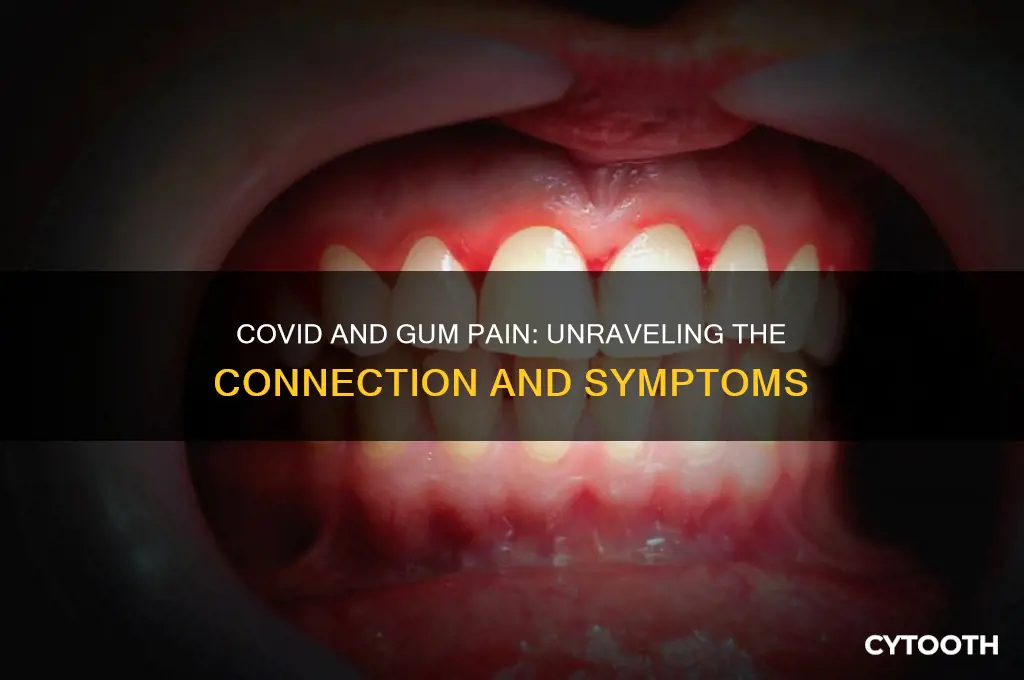
The question of whether COVID-19 can cause gum pain has gained attention as researchers explore the virus's wide-ranging effects on the body. While respiratory symptoms are most commonly associated with COVID-19, emerging studies suggest that the virus may also impact oral health, including the gums. Some individuals who have contracted COVID-19 have reported experiencing gum pain, swelling, or sensitivity, raising concerns about a potential link between the infection and oral symptoms. This phenomenon could be attributed to the virus's ability to trigger systemic inflammation or its direct impact on oral tissues, though more research is needed to establish a clear connection. Understanding this relationship is crucial for both healthcare providers and patients, as it may highlight the importance of monitoring oral health during and after COVID-19 recovery.
| Characteristics | Values |
|---|---|
| Gum Pain as a COVID-19 Symptom | Not commonly listed as a primary symptom by major health organizations (CDC, WHO). However, anecdotal reports and some studies suggest it may occur in rare cases. |
| Possible Mechanisms | - Inflammatory Response: COVID-19 triggers systemic inflammation, which may affect gum tissues. - Viral Impact: SARS-CoV-2 could potentially infect oral tissues, including gums. - Secondary Infections: COVID-19 weakens the immune system, making gums more susceptible to bacterial infections. |
| Prevalence | Rare; not widely reported in scientific literature or clinical guidelines. |
| Associated Oral Symptoms | - Dry mouth (xerostomia) - Taste or smell loss (more common) - Oral ulcers or lesions (less common) |
| Risk Factors | - Poor oral hygiene - Pre-existing gum disease (gingivitis/periodontitis) - Severe COVID-19 infection |
| Duration | If present, gum pain typically resolves with COVID-19 recovery (1-2 weeks). |
| Treatment | - Manage COVID-19 symptoms as per medical advice. - Maintain good oral hygiene (brushing, flossing). - Use saltwater rinses for temporary relief. |
| When to Seek Help | Consult a dentist or healthcare provider if gum pain persists, worsens, or is accompanied by fever, swelling, or other severe symptoms. |
| Research Status | Limited studies; more research needed to establish a direct link between COVID-19 and gum pain. |
What You'll Learn
- Gum Pain as COVID Symptom: Exploring if gum pain is a recognized symptom of COVID-19 infection
- COVID and Oral Health: Investigating how COVID-19 impacts overall oral health, including gums
- Post-COVID Gum Issues: Discussing gum problems reported by individuals after recovering from COVID-19
- Stress and Gum Pain: Examining if COVID-related stress contributes to gum discomfort or inflammation
- Medications and Gums: Analyzing if COVID treatments or medications cause gum pain as a side effect

Gum Pain as COVID Symptom: Exploring if gum pain is a recognized symptom of COVID-19 infection
Gum pain, though not widely recognized as a primary symptom of COVID-19, has been reported by some individuals during or after infection. This raises questions about whether it’s a direct result of the virus, a side effect of the body’s immune response, or an unrelated coincidence. While fever, cough, and fatigue dominate the list of common COVID-19 symptoms, emerging anecdotal evidence and limited studies suggest that oral manifestations, including gum pain, may warrant closer examination. Understanding this potential connection could help individuals better monitor their health and seek appropriate care during recovery.
Analyzing the mechanism behind gum pain in COVID-19 reveals a possible link to the virus’s impact on the body’s inflammatory response. SARS-CoV-2, the virus causing COVID-19, is known to trigger systemic inflammation, which can affect blood vessels and tissues, including those in the oral cavity. This inflammation may lead to gum sensitivity, swelling, or pain, particularly in individuals with pre-existing gum disease or weakened immune systems. Additionally, stress and dehydration, common during illness, can exacerbate oral health issues, making gums more susceptible to discomfort.
For those experiencing gum pain during or after COVID-19, practical steps can help alleviate symptoms and promote healing. Maintaining good oral hygiene is crucial; gently brushing with a soft-bristled toothbrush and using alcohol-free mouthwash can reduce irritation. Staying hydrated and avoiding acidic or spicy foods can also minimize discomfort. If pain persists or is accompanied by other concerning symptoms, such as fever or difficulty swallowing, consulting a healthcare provider or dentist is advisable. They can determine whether the pain is COVID-related or stems from another oral health issue.
Comparatively, gum pain in COVID-19 differs from typical oral health problems in its potential association with viral infection. Unlike gingivitis or tooth decay, which are caused by bacterial buildup or poor hygiene, COVID-related gum pain may be transient and tied to the body’s inflammatory response. However, distinguishing between the two requires careful observation and, in some cases, professional evaluation. Monitoring symptoms and noting their onset in relation to COVID-19 infection can provide valuable insights for both individuals and healthcare providers.
In conclusion, while gum pain is not yet a widely recognized symptom of COVID-19, its occurrence in some cases suggests a need for further research. By understanding the potential causes and taking proactive steps to manage discomfort, individuals can better navigate their recovery. As the medical community continues to study the virus’s effects, staying informed and attentive to unusual symptoms remains key to maintaining overall health during and after COVID-19 infection.
Restore Healthy Gums: Tips for Reviving Pink, Vibrant Gum Tissue
You may want to see also
COVID and Oral Health: Investigating how COVID-19 impacts overall oral health, including gums
The COVID-19 pandemic has brought to light numerous health concerns, but its impact on oral health, particularly gum health, remains a topic of growing interest. Anecdotal reports and emerging research suggest a potential link between COVID-19 infection and gum-related issues, such as pain, swelling, or bleeding. While the virus primarily affects the respiratory system, its systemic inflammation and immune response may indirectly influence oral tissues, including the gums. Understanding this connection is crucial for both patients and healthcare providers to address post-COVID symptoms effectively.
From an analytical perspective, the relationship between COVID-19 and gum health can be attributed to the virus’s ability to exacerbate existing oral conditions or trigger new ones. Studies indicate that severe COVID-19 cases often lead to a hyperinflammatory state, which can worsen periodontal disease—a chronic condition affecting the gums. Additionally, the stress and lifestyle changes during the pandemic, such as poor dietary habits and reduced dental care access, may have contributed to deteriorating oral health. For instance, a 2021 study published in the *Journal of Clinical Periodontology* found that COVID-19 patients reported higher incidences of gum bleeding and sensitivity compared to non-infected individuals.
Practically speaking, individuals recovering from COVID-19 should monitor their oral health closely. Simple steps like maintaining a consistent oral hygiene routine—brushing twice daily with fluoride toothpaste and flossing—can mitigate gum issues. For those experiencing persistent gum pain or swelling, consulting a dentist is essential. Dentists may recommend antimicrobial mouthwashes or prescribe medications to reduce inflammation. It’s also advisable to stay hydrated and avoid sugary or acidic foods, which can aggravate gum sensitivity.
Comparatively, the impact of COVID-19 on gums mirrors its effects on other mucous membranes, such as those in the nose and throat. Just as the virus can cause soreness or ulcers in these areas, it may similarly affect the gums due to shared vascular and immune responses. However, unlike respiratory symptoms, gum issues often go unnoticed until they become severe. This underscores the need for proactive oral care, especially in post-COVID recovery.
In conclusion, while the direct link between COVID-19 and gum pain requires further research, the evidence suggests a plausible connection. By recognizing the potential risks and adopting preventive measures, individuals can safeguard their oral health during and after COVID-19 infection. Dentists and healthcare providers should also remain vigilant, integrating oral health assessments into post-COVID care protocols to address this often-overlooked aspect of the virus’s impact.
Natural Gum Care: Easy Turmeric Paste Recipe for Healthy Gums
You may want to see also
Post-COVID Gum Issues: Discussing gum problems reported by individuals after recovering from COVID-19
A growing number of individuals who have recovered from COVID-19 are reporting persistent oral health issues, particularly gum pain and inflammation. These post-COVID symptoms, often referred to as "long-haul" effects, have sparked concern among both patients and dental professionals. While the exact mechanisms linking COVID-19 to gum problems remain under investigation, emerging research suggests a potential connection between the virus’s systemic impact and oral health. For instance, studies indicate that the inflammatory response triggered by COVID-19 may exacerbate pre-existing gum conditions or even initiate new ones, such as gingivitis or periodontitis.
To address post-COVID gum issues, it’s essential to adopt a proactive oral care routine. Start by brushing twice daily with a soft-bristled toothbrush and fluoride toothpaste, ensuring gentle yet thorough cleaning to avoid further irritation. Flossing daily and using an antimicrobial mouthwash can also help reduce inflammation and prevent infection. For those experiencing persistent gum pain, over-the-counter pain relievers like ibuprofen (200–400 mg every 6–8 hours) can provide temporary relief, but consult a dentist or physician before prolonged use. Additionally, staying hydrated and maintaining a balanced diet rich in vitamins C and D can support gum health and overall recovery.
Comparatively, post-COVID gum issues share similarities with other systemic conditions that affect oral health, such as diabetes or autoimmune disorders. Like these conditions, COVID-19 appears to compromise the body’s ability to regulate inflammation, making gums more susceptible to irritation and disease. However, what sets post-COVID gum issues apart is their sudden onset in individuals who may have previously had healthy gums. This distinction highlights the need for tailored dental care strategies, including regular check-ups to monitor changes and address concerns promptly.
A descriptive analysis of patient reports reveals a range of symptoms, from mild gum tenderness to severe swelling and bleeding. Some individuals describe a persistent, throbbing pain that worsens during brushing or eating, while others note a metallic taste or bad breath accompanying their gum issues. These symptoms often persist for weeks or months after recovery, significantly impacting quality of life. For practical relief, applying a cold compress to the affected area or rinsing with a saltwater solution (1/2 teaspoon of salt in 8 ounces of warm water) can soothe inflammation temporarily.
In conclusion, post-COVID gum issues represent a unique challenge for those recovering from the virus, requiring a combination of vigilant oral hygiene, symptom management, and professional guidance. While research continues to uncover the exact relationship between COVID-19 and gum health, taking proactive steps can mitigate discomfort and prevent long-term complications. If gum problems persist despite self-care measures, consulting a dentist is crucial to rule out underlying conditions and develop a personalized treatment plan.
Achieve Healthy Pink Gums: Simple Tips for a Brighter Smile
You may want to see also
Stress and Gum Pain: Examining if COVID-related stress contributes to gum discomfort or inflammation
COVID-19 has been linked to a myriad of symptoms, but one lesser-known complaint is gum pain or discomfort. While the virus primarily affects the respiratory system, its impact on oral health has sparked curiosity. Could the stress induced by the pandemic be a contributing factor to gum-related issues? This question delves into the intricate relationship between psychological stress and physical health, specifically oral well-being.
The Stress-Gum Health Connection:
Stress is a known culprit for various health problems, and oral health is not exempt. When individuals experience chronic stress, the body's immune response can be compromised, leading to increased inflammation. This inflammation may manifest in the gums, causing sensitivity, pain, or even bleeding. During the COVID-19 pandemic, stress levels skyrocketed due to health concerns, social isolation, and economic uncertainties. It is plausible that this heightened stress environment could have indirectly affected gum health for many individuals.
Unraveling the Mechanism:
The link between stress and gum pain can be attributed to several physiological responses. Firstly, stress hormones, such as cortisol, can impact the body's ability to regulate inflammation. Elevated cortisol levels over an extended period may lead to a constant state of low-grade inflammation, affecting the gums. Additionally, stress often leads to neglect of oral hygiene routines. Individuals under stress might forget or skip brushing and flossing, allowing plaque and bacteria to accumulate, which can irritate the gums.
Practical Tips for Relief:
For those experiencing gum discomfort during or post-COVID, several strategies can help alleviate symptoms. Firstly, stress management techniques like meditation, deep breathing exercises, or gentle yoga can reduce overall stress levels, potentially lowering gum inflammation. Maintaining a consistent oral care routine is crucial; ensure you brush twice daily with a soft-bristled toothbrush and floss regularly. Consider using a mouthwash with anti-inflammatory properties, but be cautious of alcohol-based rinses, as they may cause dryness and irritation. If symptoms persist, consult a dentist who can provide personalized advice and rule out other oral health issues.
A Holistic Approach:
Addressing gum pain related to COVID-induced stress requires a comprehensive strategy. It involves recognizing the mind-body connection and understanding that oral health is not isolated from overall well-being. By managing stress, practicing good oral hygiene, and seeking professional guidance, individuals can effectively tackle this unique aspect of COVID's impact. This approach empowers people to take control of their health, ensuring that the pandemic's effects are not only treated but also prevented from causing long-term oral health issues.
Does Zyn Cause Gum Recession? Uncovering the Truth and Risks
You may want to see also
Medications and Gums: Analyzing if COVID treatments or medications cause gum pain as a side effect
COVID-19 treatments and medications have been a focal point in the fight against the virus, but their side effects, particularly on oral health, remain under-discussed. One emerging concern is whether these treatments contribute to gum pain. For instance, antiviral medications like remdesivir, often administered intravenously at doses of 200 mg on day 1 followed by 100 mg daily for up to 10 days, have been associated with oral discomfort in some patients. Similarly, dexamethasone, a corticosteroid used to reduce inflammation in severe cases, can cause gum swelling and pain when prescribed at high doses (6 mg daily for 10 days). These examples highlight the need to examine the link between COVID-19 medications and oral side effects more closely.
Analyzing the mechanisms of these medications provides insight into their potential impact on gums. Antivirals like remdesivir primarily target viral replication but can indirectly affect oral health by altering the body’s immune response, potentially leading to inflammation. Corticosteroids, on the other hand, suppress the immune system, which can increase susceptibility to oral infections like gingivitis. A study published in the *Journal of Periodontology* noted that prolonged use of dexamethasone in COVID-19 patients correlated with a higher incidence of gum bleeding and pain. This suggests that while these medications are lifesaving, their side effects on oral tissues cannot be overlooked.
For those experiencing gum pain while on COVID-19 treatments, practical steps can mitigate discomfort. Maintaining rigorous oral hygiene—brushing twice daily with a soft-bristled toothbrush and flossing gently—is essential. Patients on corticosteroids should also rinse with an alcohol-free antimicrobial mouthwash to reduce infection risk. Over-the-counter pain relievers like ibuprofen (200–400 mg every 4–6 hours) can alleviate gum pain, but consult a healthcare provider before combining with prescribed medications. Additionally, staying hydrated and avoiding acidic or sugary foods can minimize irritation.
Comparing COVID-19 medications reveals varying risks to gum health. Monoclonal antibody treatments, such as casirivimab-imdevimab, are less likely to cause oral side effects, as they act directly on the virus without systemic immune suppression. In contrast, medications like tocilizumab, an interleukin-6 inhibitor, have been linked to oral ulcers and gum inflammation in some patients. This underscores the importance of personalized treatment plans that consider both the severity of COVID-19 and the patient’s oral health history.
In conclusion, while COVID-19 medications are critical in managing the virus, their potential to cause gum pain warrants attention. Patients and healthcare providers should monitor oral health during treatment, especially with antivirals and corticosteroids. By understanding these risks and taking proactive measures, individuals can better manage side effects and maintain overall well-being during recovery.
Frequently asked questions
While gum pain is not a primary symptom of COVID-19, some individuals may experience oral symptoms, including gum soreness, due to the virus's impact on the body or as a side effect of medications taken during recovery.
COVID-19 can cause systemic inflammation, which may affect oral tissues, including gums. Additionally, stress, dehydration, or changes in oral hygiene habits during illness can contribute to gum irritation.
Mild gum discomfort may resolve on its own as you recover from COVID-19. However, if the pain persists, worsens, or is accompanied by other oral symptoms like swelling or bleeding, consult a dentist to rule out unrelated dental issues.