Hailey Morgan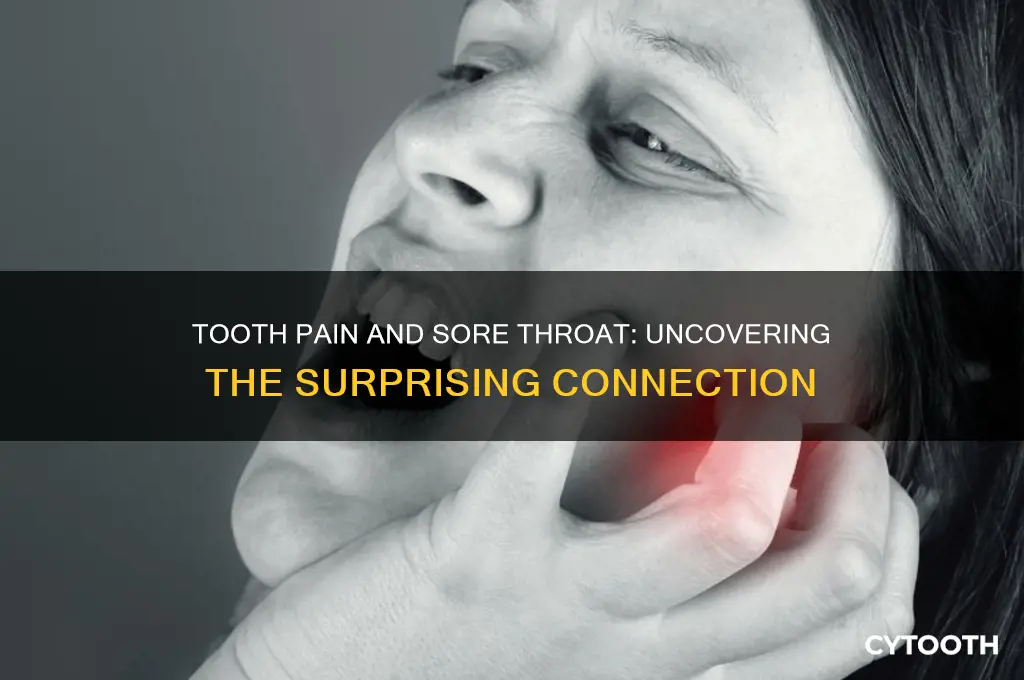
Tooth pain and sore throat are two common ailments that, while seemingly unrelated, can sometimes be interconnected. Tooth pain, often stemming from issues like cavities, infections, or gum disease, can occasionally lead to referred pain, where discomfort radiates to nearby areas, including the throat. Additionally, infections in the mouth, such as abscesses or impacted wisdom teeth, can cause inflammation that may irritate the throat, leading to soreness. Conversely, conditions like tonsillitis or throat infections can sometimes cause pain that feels like it’s originating from the teeth. Understanding this potential link is crucial for accurate diagnosis and effective treatment, as addressing the root cause—whether dental or throat-related—is essential for relief.
| Characteristics | Values |
|---|---|
| Direct Cause | No, tooth pain itself does not directly cause a sore throat. |
| Indirect Cause | Yes, tooth infections (e.g., abscesses) can spread to nearby areas, including the throat, leading to soreness. |
| Common Conditions | Dental abscess, gum disease, or impacted wisdom teeth can cause referred pain or infection spreading to the throat. |
| Symptoms | Toothache, swelling, fever, difficulty swallowing, and throat pain. |
| Mechanism | Bacterial infections from dental issues can travel through shared nerve pathways or lymph nodes, affecting the throat. |
| Treatment | Dental intervention (e.g., root canal, extraction) and antibiotics for infection; throat symptoms may resolve with dental treatment. |
| Prevention | Regular dental check-ups, proper oral hygiene, and prompt treatment of dental issues. |
| Medical Advice | Consult a dentist or doctor if tooth pain and sore throat persist or worsen. |
What You'll Learn
- Referred Pain Mechanisms: How tooth pain can radiate to throat due to shared nerve pathways
- Infections Spread: Bacteria from tooth infections traveling to throat tissues, causing soreness
- Inflammation Effects: Swelling from tooth issues irritating nearby throat structures
- Swallowing Discomfort: Tooth pain altering swallowing patterns, straining throat muscles
- Allergic Reactions: Tooth-related medications or infections triggering throat irritation

Referred Pain Mechanisms: How tooth pain can radiate to throat due to shared nerve pathways
Tooth pain that radiates to the throat is a classic example of referred pain, a phenomenon where discomfort is felt in a location different from the site of the actual injury or issue. This occurs because the nerves supplying the teeth and throat often share the same pathways, leading to confusion in the brain about the pain’s origin. For instance, an infected lower molar might trigger sensations in the throat due to both areas being innervated by the trigeminal nerve and its connections to the glossopharyngeal nerve. Understanding this mechanism is crucial for accurate diagnosis and treatment, as misinterpreting the pain’s source can delay proper care.
The trigeminal nerve, responsible for facial and oral sensations, frequently overlaps with nerves supplying the throat, such as the glossopharyngeal nerve. When inflammation or infection irritates these shared pathways, the brain may misinterpret the signals, attributing throat discomfort to a tooth problem or vice versa. For example, a dental abscess in the mandibular molars can cause pain that feels like a sore throat, even though the throat itself is unaffected. This overlap is particularly common in adults over 30, where dental issues like gum disease or cavities are more prevalent, but it can occur at any age.
To differentiate referred tooth pain from a primary throat issue, consider the accompanying symptoms. Dental-related throat pain often coincides with tooth sensitivity, gum swelling, or bad breath, whereas a viral or bacterial throat infection typically presents with fever, swollen lymph nodes, or difficulty swallowing. A practical tip is to gently press on the suspected tooth or gum area; if the pressure exacerbates the throat discomfort, referred pain is likely. However, self-diagnosis should always be followed by a professional evaluation, as untreated dental infections can lead to serious complications.
Preventing referred pain starts with maintaining oral hygiene: brushing twice daily, flossing, and regular dental check-ups. For those experiencing persistent throat discomfort without apparent throat issues, a dental exam is essential. Treatment may involve addressing the dental problem—such as a root canal for an infected tooth—which often resolves the throat symptoms. Over-the-counter pain relievers like ibuprofen (400–600 mg every 6 hours) can provide temporary relief, but they do not address the underlying cause. Ignoring these symptoms can lead to systemic infections, emphasizing the need for prompt intervention.
In summary, referred pain from tooth issues to the throat is a neurological quirk rooted in shared nerve pathways. Recognizing this connection allows for targeted treatment, preventing unnecessary throat-focused interventions. By staying vigilant about oral health and seeking timely dental care, individuals can avoid the discomfort and risks associated with this often-misunderstood phenomenon.
Popcorn Kernels and Tooth Pain: Uncovering the Surprising Connection
You may want to see also
Infections Spread: Bacteria from tooth infections traveling to throat tissues, causing soreness
Tooth infections, if left untreated, can become a gateway for bacteria to invade other parts of the body, including the throat. The proximity of the oral cavity to the pharynx makes it relatively easy for bacteria to travel, especially when the immune system is compromised or the infection is severe. *Streptococcus mutans* and *Porphyromonas gingivalis*, common culprits in dental infections, can migrate through the bloodstream or lymphatic system, settling in throat tissues and causing inflammation. This bacterial invasion often manifests as a sore throat, accompanied by symptoms like difficulty swallowing or swollen lymph nodes. Recognizing this connection is crucial, as what starts as a localized toothache can escalate into a systemic issue if ignored.
Consider the mechanism: when a tooth becomes infected, the bacteria multiply rapidly, breaking down the protective barriers of the tooth and surrounding gums. As the infection progresses, it can enter the bloodstream, a process known as bacteremia. From there, bacteria can travel to distant sites, including the mucous membranes of the throat. For instance, a study published in the *Journal of Oral Microbiology* found that 30% of patients with untreated dental abscesses developed secondary throat infections within two weeks. This highlights the importance of prompt dental intervention, such as root canal therapy or extraction, to prevent bacterial spread.
Preventing this spread requires a proactive approach to oral hygiene and dental care. Adults over 30, who are more prone to periodontal disease, should schedule dental check-ups every six months. Children and teenagers, while less susceptible, should still maintain regular visits, especially if they have a history of cavities. Practical tips include flossing daily, using an antiseptic mouthwash, and avoiding sugary foods that fuel bacterial growth. If a toothache develops, over-the-counter pain relievers like ibuprofen (200–400 mg every 6 hours) can provide temporary relief, but they should not replace professional treatment. Ignoring the pain can lead to complications, including throat infections, which may require antibiotics like amoxicillin (500 mg, 3 times daily for 7–10 days) to resolve.
Comparing this scenario to other causes of sore throat, such as viral infections or allergies, underscores the need for accurate diagnosis. While a viral sore throat often resolves within a week, one caused by a dental infection may persist or worsen without targeted treatment. Allergies typically present with additional symptoms like sneezing or itchy eyes, whereas a bacterial throat infection from a tooth abscess is more likely to be localized and accompanied by bad breath or a foul taste in the mouth. This distinction is vital for effective management, as misdiagnosis can delay appropriate care and exacerbate both oral and throat health issues.
In conclusion, the link between tooth infections and sore throats is a clear example of how localized problems can have far-reaching consequences. By understanding the mechanisms of bacterial spread and adopting preventive measures, individuals can protect not only their oral health but also their overall well-being. If symptoms arise, seeking timely dental and medical care is essential to halt the infection’s progression and prevent complications. This holistic approach ensures that a simple toothache doesn’t evolve into a more serious health concern.
Gum Infections and Back Pain: Surprising Connection Explained
You may want to see also
Inflammation Effects: Swelling from tooth issues irritating nearby throat structures
Tooth infections or abscesses can trigger a chain reaction of inflammation that doesn’t stay confined to the mouth. When bacteria from a decaying tooth or gum disease spread, the body’s immune response often results in swelling. This swelling isn’t selective—it can extend beyond the tooth’s root, pressing against or irritating nearby structures like the pharynx or tonsils. The proximity of these areas means even minor dental inflammation can lead to noticeable throat discomfort. For instance, a periapical abscess (at the tooth’s tip) can cause radiating pain that mimics a sore throat, especially when swallowing or speaking.
Consider the anatomy: the pharynx, which connects the mouth to the esophagus, shares nerve pathways with the teeth and gums. When inflammation occurs in the dental region, these shared nerves can transmit pain signals to the throat, creating a sensation of soreness. This referred pain is why patients often mistake tooth-related issues for a throat infection. A key indicator? Persistent throat discomfort paired with localized dental pain, sensitivity to temperature, or visible swelling in the gums.
To manage this, start with targeted dental care: rinse with warm saltwater (1/2 teaspoon salt in 8 ounces of water) to reduce oral bacteria and inflammation. Over-the-counter anti-inflammatory medications like ibuprofen (200–400 mg every 6 hours, as needed) can alleviate swelling and pain. However, avoid relying solely on symptom relief—schedule a dental evaluation promptly. Untreated dental infections can worsen, potentially leading to systemic complications like cellulitis or sepsis.
For prevention, maintain oral hygiene rigorously: brush twice daily with fluoride toothpaste, floss daily, and replace your toothbrush every 3 months. Adults over 30 should be particularly vigilant, as gum disease prevalence increases with age. If you’re prone to dental issues, consider using antimicrobial mouthwash (e.g., chlorhexidine 0.12%) as a preventive measure, but consult a dentist first, as long-term use can stain teeth.
In summary, while tooth inflammation and sore throat may seem unrelated, their anatomical and neurological connections explain the overlap. Addressing the root dental cause is critical—temporary fixes won’t resolve the issue. Recognizing this link can save time, reduce discomfort, and prevent unnecessary treatments for misdiagnosed throat infections. Always prioritize professional dental assessment when symptoms persist.
Can a Bad Tooth Cause Throat Pain? Exploring the Connection
You may want to see also
Swallowing Discomfort: Tooth pain altering swallowing patterns, straining throat muscles
Tooth pain can subtly but significantly alter swallowing patterns, leading to discomfort and strain in the throat muscles. When a toothache persists, the natural reflex is to adjust how you swallow to avoid aggravating the sensitive area. This compensatory behavior often involves tensing the jaw or shifting food and liquids to the opposite side of the mouth, which can place undue pressure on the throat muscles. Over time, this altered swallowing mechanism may cause irritation, inflammation, or even muscle fatigue in the throat, resulting in soreness or a persistent feeling of discomfort.
Consider the mechanics of swallowing: it’s a coordinated effort involving the tongue, throat muscles, and esophagus. When tooth pain disrupts this process, the body compensates by overworking certain muscles, particularly those in the pharynx. For instance, if a molar on the right side is causing pain, you might tilt your head or push food to the left, straining the muscles on that side. This repeated strain can lead to micro-tears or inflammation in the throat tissues, mimicking symptoms of a sore throat. Adults over 40, who may already experience age-related muscle stiffness, are particularly susceptible to this issue.
To mitigate swallowing discomfort caused by tooth pain, start by addressing the root cause: the toothache. Over-the-counter pain relievers like ibuprofen (200–400 mg every 6 hours) or acetaminophen (500–1000 mg every 4–6 hours) can provide temporary relief, but consult a dentist promptly for a definitive solution. In the meantime, practice mindful swallowing by taking smaller bites, chewing slowly, and avoiding hard or crunchy foods that exacerbate pain. Warm saltwater gargles (1/2 teaspoon of salt in 8 ounces of warm water) can soothe both the tooth and throat, reducing inflammation in both areas.
A comparative analysis reveals that while tooth pain and sore throat are often treated as separate issues, their connection through swallowing patterns highlights the body’s interconnectedness. For example, children under 12 with toothaches may instinctively swallow differently, leading to throat discomfort that parents might mistake for a viral infection. Similarly, individuals with chronic dental issues, such as abscesses or impacted wisdom teeth, often report throat soreness as a secondary symptom. Recognizing this link can lead to more holistic treatment approaches, combining dental care with throat-soothing remedies like lozenges or herbal teas.
Finally, a persuasive argument for proactive care: ignoring tooth pain and its impact on swallowing can lead to long-term complications. Chronic throat strain may progress to conditions like pharyngitis or even temporomandibular joint (TMJ) disorders, which affect jaw movement and exacerbate pain. By addressing tooth pain early and adopting swallowing techniques that minimize throat strain, you not only alleviate immediate discomfort but also prevent secondary health issues. Remember, the throat and teeth are neighbors in the body’s anatomy—what affects one can easily influence the other.
Flossing Too Hard: A Hidden Cause of Tooth Pain?
You may want to see also
Allergic Reactions: Tooth-related medications or infections triggering throat irritation
Tooth-related issues can sometimes lead to unexpected symptoms, and one such connection is the potential for allergic reactions to medications or infections causing throat irritation. This phenomenon, though not widely discussed, highlights the intricate relationship between oral health and overall well-being. When a patient is prescribed antibiotics like amoxicillin or penicillin for a dental infection, the risk of an allergic reaction is a critical consideration. These medications, commonly dosed at 500 mg every 8 hours for adults, can trigger symptoms ranging from mild rashes to severe anaphylaxis. However, a less obvious but equally discomforting reaction is throat irritation, which may manifest as soreness, itching, or swelling.
Consider the case of a 35-year-old patient who develops a sore throat after starting a course of erythromycin for a tooth abscess. This scenario underscores the importance of recognizing that throat irritation can be an allergic response rather than a direct symptom of the infection itself. Allergic reactions to medications often involve the release of histamines, which can cause inflammation in the throat and surrounding tissues. For children, particularly those under 12, the risk of such reactions may be higher due to their developing immune systems, making it essential for caregivers to monitor for any unusual symptoms after administering tooth-related medications.
Infections themselves, particularly those involving bacterial or fungal pathogens, can also provoke allergic responses that affect the throat. For instance, a localized oral infection might trigger the body’s immune system to release inflammatory mediators, leading to systemic symptoms like throat soreness. This is especially true in cases of candidiasis, a fungal infection often associated with antibiotic use, which can cause both oral thrush and throat irritation. Patients experiencing persistent throat discomfort alongside dental issues should seek evaluation to determine whether an underlying infection or allergic reaction is the culprit.
Practical steps to mitigate these risks include maintaining open communication with healthcare providers about known allergies and monitoring for symptoms after starting new medications. Over-the-counter antihistamines like cetirizine (10 mg daily for adults) can alleviate mild allergic reactions, but persistent or severe symptoms warrant immediate medical attention. Additionally, proper dental hygiene and prompt treatment of oral infections can reduce the likelihood of complications that might trigger allergic responses. By understanding the link between tooth-related treatments and throat irritation, patients can better navigate their care and advocate for their health.
Cracked Tooth and Jaw Pain: Understanding the Surprising Connection
You may want to see also
Frequently asked questions
Yes, tooth pain can directly cause a sore throat, especially if the infection or inflammation in the tooth or gums spreads to nearby tissues, including the throat. Conditions like abscessed teeth or gum disease can lead to this symptom.
An infected tooth can cause bacteria to spread to surrounding areas, including the throat. The infection may irritate the throat tissues, leading to soreness, swelling, or discomfort when swallowing.
Yes, other symptoms may include bad breath, fever, swollen lymph nodes, earache, or difficulty swallowing. These symptoms often indicate an infection that requires prompt dental or medical attention.
Seek professional help if the pain and soreness persist for more than a few days, worsen over time, or are accompanied by fever, swelling, or difficulty breathing. These could be signs of a serious infection.