Ethan Brooks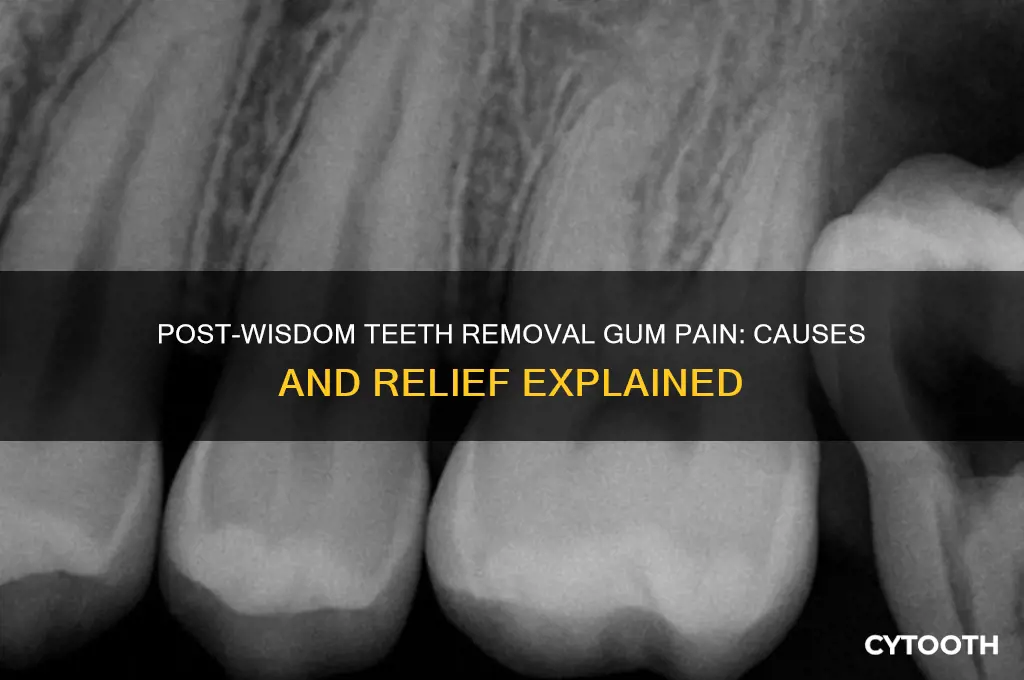
After wisdom teeth removal, it’s common to experience gum pain due to the surgical process, which involves incisions in the gum tissue and manipulation of the surrounding area. The gums may be sore from being stretched, cut, or sutured during extraction, and inflammation is a natural part of the healing process. Additionally, dry socket, a painful condition where the blood clot at the extraction site dislodges or dissolves, can expose sensitive nerves and bone, intensifying gum discomfort. Proper post-operative care, including gentle rinsing, avoiding irritants like smoking or hard foods, and following your dentist’s instructions, can help minimize pain and promote healing. If the pain persists or worsens, it’s important to consult your dentist or oral surgeon to rule out infection or other complications.
| Characteristics | Values |
|---|---|
| Cause of Pain | Post-surgical inflammation, infection, or trauma to gum tissue. |
| Common Symptoms | Swelling, redness, tenderness, and discomfort around the extraction site. |
| Duration of Pain | Typically peaks within 3-5 days after surgery and gradually improves. |
| Risk Factors | Poor oral hygiene, smoking, dry socket (alveolar osteitis), or infection. |
| Prevention Measures | Proper oral care, avoiding smoking, following post-op instructions. |
| Treatment Options | Pain relievers, cold compresses, saltwater rinses, and antibiotics (if infected). |
| When to Seek Medical Help | Persistent or worsening pain, fever, pus discharge, or severe swelling. |
| Healing Timeline | Initial healing takes 1-2 weeks; complete healing may take up to 6 months. |
| Impact of Dry Socket | Delayed healing and intense pain due to exposed bone and nerve endings. |
| Role of Infection | Can cause prolonged pain, swelling, and potential complications. |
| Importance of Follow-Up Care | Ensures proper healing and addresses complications early. |
What You'll Learn
- Dry Socket Risk: Improper care can lead to dry socket, causing severe gum pain post-extraction
- Infection Signs: Swollen, painful gums may indicate infection after wisdom teeth removal
- Healing Process: Gum soreness is normal during the initial healing phase after surgery
- Food Irritation: Debris trapped in gums can cause pain and inflammation post-extraction
- Nerve Damage: Rare cases of nerve injury may result in persistent gum discomfort

Dry Socket Risk: Improper care can lead to dry socket, causing severe gum pain post-extraction
After wisdom teeth removal, the risk of developing a dry socket looms large, especially if post-operative care is neglected. This condition, medically known as alveolar osteitis, occurs when the blood clot that forms in the extraction site is dislodged or dissolves prematurely, exposing the underlying bone and nerves. The result? Intense, throbbing pain that radiates from the socket to the gums, often accompanied by bad breath and an unpleasant taste. Understanding the causes and preventive measures is crucial, as dry socket affects up to 5% of routine tooth extractions, but this rate jumps to 30% for wisdom teeth removals due to their complex anatomy and larger sockets.
Prevention hinges on meticulous care during the critical first 72 hours post-extraction. Avoid vigorous rinsing, spitting, or using straws, as these actions create suction that can dislodge the blood clot. Stick to a soft diet—think yogurt, mashed potatoes, and smoothies—and steer clear of hot, spicy, or crunchy foods that could irritate the site. Smoking is a non-negotiable no, as the chemicals in tobacco and the act of inhaling can delay healing and increase dry socket risk by up to 12%. Even vaping poses a threat, as the heat and pressure can disrupt clot stability.
If you suspect a dry socket, immediate action is key. Contact your dentist or oral surgeon promptly, as they can clean the socket, apply a medicated dressing, and prescribe pain management options. Over-the-counter pain relievers like ibuprofen (800 mg every 6–8 hours) can help manage discomfort, but avoid aspirin, which can thin the blood and exacerbate bleeding. For severe cases, your dentist might recommend a topical anesthetic or a prescription rinse containing chlorhexidine to reduce inflammation and promote healing.
Comparing proper care to neglect highlights the stark difference in outcomes. A patient who follows post-op instructions diligently—keeping the head elevated, using cold compresses for swelling, and gently rinsing with saltwater after 24 hours—stands a far better chance of avoiding complications. In contrast, someone who resumes normal activities too soon, ignores dietary restrictions, or skips follow-up appointments risks not only dry socket but also prolonged recovery and potential infection. The takeaway? Small, consistent efforts in aftercare yield significant dividends in healing and comfort.
Safeguard Your Gums: Effective Tips for At-Home Teeth Whitening
You may want to see also
Infection Signs: Swollen, painful gums may indicate infection after wisdom teeth removal
Swollen, painful gums after wisdom teeth removal can be more than just a typical post-operative discomfort—they may signal an infection that requires immediate attention. While some swelling and soreness are normal as your mouth heals, persistent or worsening symptoms could indicate that bacteria have invaded the extraction site. Recognizing these signs early is crucial to prevent complications and ensure a smooth recovery.
Infections often manifest as redness, tenderness, and swelling around the surgical area, accompanied by throbbing pain that intensifies over time. You might also notice pus discharge, a foul taste in your mouth, or a fever, which are clear indicators of bacterial activity. If left untreated, the infection can spread to surrounding tissues or even enter the bloodstream, posing serious health risks. To differentiate between normal healing and infection, monitor your symptoms closely: normal swelling typically peaks within 48 hours and gradually subsides, while infection-related swelling worsens and persists.
Preventing infection starts with diligent aftercare. Rinse your mouth gently with warm salt water several times a day to reduce bacteria and promote healing. Avoid smoking, using straws, or consuming hard or sticky foods, as these can disrupt the clotting process and introduce irritants. Follow your dentist’s instructions for pain management and antibiotic use, if prescribed. For example, antibiotics like amoxicillin are commonly prescribed at a dosage of 500 mg every 8 hours for adults, but always adhere to your specific prescription.
If you suspect an infection, act promptly. Contact your oral surgeon or dentist immediately to discuss your symptoms and seek professional evaluation. They may prescribe a stronger antibiotic or perform a drainage procedure to remove pus and alleviate pressure. In severe cases, hospitalization may be necessary to manage systemic symptoms like high fever or swelling that affects breathing. Early intervention not only relieves pain but also prevents long-term damage to your oral health.
In summary, swollen and painful gums after wisdom teeth removal can be a red flag for infection. By understanding the signs, practicing proper aftercare, and seeking timely medical attention, you can protect your recovery and overall well-being. Don’t ignore persistent symptoms—your body is signaling that something needs attention.
Natural Remedies to Close Gaps Between Teeth and Gums Effectively
You may want to see also
Healing Process: Gum soreness is normal during the initial healing phase after surgery
Gum soreness after wisdom teeth removal is a common experience, but understanding why it happens can ease your concerns. During the initial healing phase, your body is working overtime to repair the surgical site. This process involves inflammation, a natural response to trauma, which can cause tenderness and discomfort in the gums. Think of it as your body’s way of signaling that healing is underway. While it may feel alarming, this soreness is a normal part of the recovery process and typically subsides within the first week.
To manage this discomfort, follow your dentist’s post-operative instructions carefully. Applying a cold compress to the outside of your cheek for 20 minutes on, then 20 minutes off, can reduce swelling and numb the area. Over-the-counter pain relievers like ibuprofen (600–800 mg every 6–8 hours) or acetaminophen (500–1000 mg every 4–6 hours) can also alleviate pain, but always adhere to recommended dosages. Avoid touching or probing the surgical site with your tongue or fingers, as this can irritate the gums further and delay healing.
Comparing this phase to other post-surgical recoveries can provide perspective. Just as a sprained ankle remains tender while ligaments repair, your gums need time to regenerate tissue and form a protective clot. Rushing the process or ignoring care instructions can lead to complications like dry socket, a painful condition where the clot dislodges. Patience and consistency in your aftercare routine are key to ensuring a smooth recovery.
Practically speaking, maintaining oral hygiene is crucial but must be done gently. Rinse with a warm saltwater solution (1/2 teaspoon of salt in 8 ounces of water) after meals to keep the area clean without disrupting the healing site. Avoid vigorous rinsing or using straws, as suction can dislodge the blood clot. Soft foods like yogurt, mashed potatoes, and smoothies are your allies during this time, minimizing pressure on the gums. By respecting your body’s healing timeline and taking proactive steps, you’ll navigate this phase with greater comfort and confidence.
Can Receding Gums Regrow? Debunking Myths and Exploring Solutions
You may want to see also
Food Irritation: Debris trapped in gums can cause pain and inflammation post-extraction
After wisdom teeth removal, the gums are particularly vulnerable to irritation, and one common culprit is food debris becoming trapped in the extraction site. This seemingly minor issue can lead to significant discomfort and inflammation if not addressed promptly. The problem arises because the empty sockets are open wounds, and any foreign material can introduce bacteria or physically irritate the sensitive tissue. Even small particles, like crumbs or seeds, can cause trouble if they lodge in the gums.
To prevent food irritation, it’s essential to modify your diet temporarily. Stick to soft, non-chewy foods like yogurt, mashed potatoes, or smoothies for the first few days post-extraction. Avoid crunchy, sticky, or hard foods that can break into small pieces and become trapped. For example, nuts, popcorn, and chewy candies are common offenders. Additionally, rinse your mouth gently with warm salt water after meals to help dislodge any debris. This simple step can significantly reduce the risk of irritation and promote healing.
If you suspect food debris is causing pain, resist the urge to probe the area with fingers, utensils, or toothbrushes, as this can worsen inflammation. Instead, use a syringe (often provided by your dentist) filled with warm salt water to irrigate the socket gently. Tilt your head to the side and let the water flow out of your mouth to avoid pushing debris deeper. If pain persists, contact your dentist, as they may need to clean the area professionally.
Comparatively, while dry sockets are a more severe complication, food irritation shares a similar root cause: disruption of the healing process. The difference lies in the severity and the specific trigger. Dry sockets occur when the blood clot protecting the extraction site is dislodged, often due to suction or pressure, whereas food irritation is a localized issue caused by physical debris. Both, however, underscore the importance of meticulous oral care during recovery.
In conclusion, food debris trapped in the gums after wisdom teeth removal is a preventable yet common source of pain and inflammation. By adopting a soft-food diet, practicing gentle oral hygiene, and using irrigation techniques, you can minimize this risk. Awareness and proactive measures are key to ensuring a smooth and comfortable recovery.
Why Do My Gums Burn When I Brush My Teeth?
You may want to see also
Nerve Damage: Rare cases of nerve injury may result in persistent gum discomfort
Nerve damage following wisdom teeth removal, though rare, can lead to persistent gum discomfort that lingers long after the initial healing period. The inferior alveolar nerve and the lingual nerve, located near the lower wisdom teeth, are particularly vulnerable during extraction. Injury to these nerves can result in symptoms such as numbness, tingling, or a burning sensation in the gums, lips, tongue, or chin. While most cases resolve within weeks to months, some individuals experience chronic pain or altered sensation that significantly impacts their quality of life.
Understanding the risk factors for nerve damage is crucial for prevention and early intervention. Factors such as the proximity of the tooth roots to the nerve, the complexity of the extraction, and the surgeon’s technique play a role. Patients with impacted wisdom teeth or those requiring extensive bone removal are at higher risk. If you experience persistent or worsening gum discomfort post-extraction, it’s essential to consult your oral surgeon promptly. Early diagnosis through imaging or nerve conduction studies can guide appropriate management, which may include medication, physical therapy, or, in severe cases, surgical intervention.
For those dealing with nerve-related gum discomfort, practical strategies can help manage symptoms. Over-the-counter pain relievers like ibuprofen (200–400 mg every 4–6 hours) or acetaminophen (500–1000 mg every 6 hours) can provide temporary relief, but avoid exceeding recommended dosages. Applying a cold compress to the affected area for 15–20 minutes at a time can reduce inflammation. Additionally, maintaining good oral hygiene—gently brushing with a soft-bristled toothbrush and avoiding the surgical site—prevents infection, which can exacerbate nerve-related pain.
Comparing nerve damage to other post-extraction complications highlights its unique challenges. While dry socket or infection typically resolves within days to weeks with proper care, nerve injury may require months or even years of management. Unlike other issues, nerve damage often involves not just pain but also sensory changes, such as reduced taste or difficulty speaking. This underscores the importance of a tailored treatment plan, which may include medications like gabapentin or amitriptyline for neuropathic pain, prescribed under a healthcare provider’s guidance.
Finally, while nerve damage is rare, its impact on daily life can be profound. Patients experiencing persistent gum discomfort should advocate for themselves, seeking a second opinion if necessary. Supportive care, including counseling or joining support groups for chronic pain sufferers, can provide emotional relief. Though the road to recovery may be long, advancements in medical and surgical treatments offer hope for restoring comfort and function. Awareness and proactive management are key to navigating this challenging but manageable complication.
Zyns and Oral Health: Debunking Myths About Teeth and Gums
You may want to see also
Frequently asked questions
Gums may hurt after wisdom teeth removal due to inflammation, trauma from the extraction process, or the healing of the surgical site.
Gum pain typically peaks within the first 3–5 days after surgery and gradually improves over 1–2 weeks, depending on the complexity of the extraction.
Yes, swelling and tenderness are normal parts of the healing process as the body repairs the surgical site.
Apply cold compresses, take prescribed or over-the-counter pain medication, rinse gently with warm salt water, and avoid irritating the area with hard or hot foods.
Contact your dentist or oral surgeon if the pain worsens after a few days, if there’s excessive bleeding, pus, or signs of infection (e.g., fever, foul odor), or if swelling increases significantly.