Ethan Brooks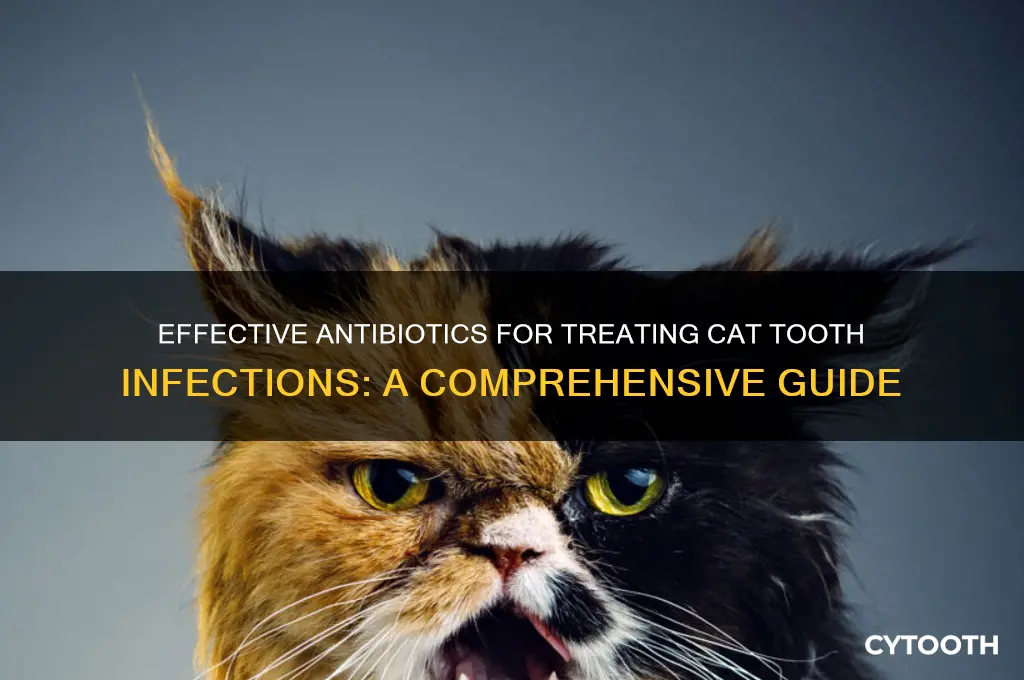
When addressing a tooth infection in cats, selecting the appropriate antibiotic is crucial for effective treatment. Cats with dental infections often require antibiotics to combat bacterial growth and prevent the spread of infection, which can lead to more serious systemic issues. Common antibiotics prescribed by veterinarians include amoxicillin, clindamycin, and doxycycline, chosen based on the type of bacteria involved and the cat’s overall health. It’s essential to consult a veterinarian for a proper diagnosis and prescription, as self-medicating or using human antibiotics can be ineffective or harmful. Additionally, antibiotics should be paired with dental care, such as tooth extraction or cleaning, to address the root cause of the infection and ensure long-term oral health for the cat.
What You'll Learn

Common Antibiotics for Cats
Dental infections in cats often require prompt antibiotic treatment to prevent systemic spread and alleviate pain. Amoxicillin is a first-line choice due to its broad-spectrum activity against common oral pathogens like *Pasteurella* and *Streptococcus*. Typically administered at 5–10 mg/kg twice daily, it’s well-tolerated and affordable, making it a go-to option for veterinarians. However, cats with penicillin allergies or resistant infections may need alternatives. Always complete the full course, even if symptoms improve, to avoid antibiotic resistance.
For cats with more severe or resistant infections, Clindamycin is often prescribed. Its effectiveness against anaerobic bacteria, common in deep dental abscesses, makes it particularly useful. Dosage ranges from 11–25 mg/kg every 12–24 hours, depending on severity. While effective, clindamycin can cause gastrointestinal upset, so monitor for diarrhea or vomiting. It’s also crucial to avoid long-term use, as it may disrupt gut flora and lead to secondary complications like *Clostridium difficile* infection.
In cases where other antibiotics fail, Doxycycline emerges as a potent alternative. Its ability to penetrate tissues effectively makes it ideal for treating periodontal disease and deep-seated infections. Administered at 5 mg/kg once daily, it’s convenient but should not be used in kittens under 6 months or pregnant cats due to risks of dental staining and bone development issues. Additionally, avoid pairing it with dairy or antacids, as these can reduce absorption.
Enrofloxacin, a fluoroquinolone, is reserved for complex or multi-drug resistant infections. Its broad spectrum covers both Gram-positive and Gram-negative bacteria, but it’s used cautiously due to potential side effects like joint cartilage damage in young cats. Dosage is typically 5 mg/kg once daily, and it’s often a last resort when other antibiotics are ineffective. Always weigh the risks and benefits with your veterinarian before opting for enrofloxacin.
Practical tips for administering antibiotics include disguising pills in wet food or using flavored formulations to improve compliance. Liquid suspensions are often easier to dose accurately. Pairing antibiotics with pain management and dental care, such as tooth extraction or cleaning, enhances treatment outcomes. Regular veterinary follow-ups are essential to monitor progress and adjust therapy as needed. Remember, antibiotics are just one part of a comprehensive approach to feline dental health.
Vet-Prescribed Antibiotics for Your Dog's Tooth Infection: What to Expect
You may want to see also
Dosage and Administration Tips
Antibiotics for feline dental infections require precise dosing to ensure efficacy and minimize side effects. Common options like amoxicillin, clindamycin, or doxycycline are prescribed based on the infection’s severity and the cat’s health. For instance, amoxicillin is often dosed at 5–10 mg/kg every 12 hours orally, while clindamycin may be given at 11–25 mg/kg every 12–24 hours. Always follow the veterinarian’s instructions, as dosages vary by antibiotic, cat weight, and infection type.
Administering antibiotics to cats can be challenging due to their aversion to pills or liquids. Mixing liquid antibiotics with a small amount of wet food or using pill pockets can improve compliance. For cats resistant to oral medication, transdermal formulations or injections may be considered, though these require veterinary expertise. Never crush or alter medication without consulting a vet, as it can affect absorption or potency.
Kittens and senior cats require special consideration due to their developing or declining immune systems. Kittens under six months may need lower doses adjusted for their smaller size and metabolic rate. Senior cats, particularly those with kidney or liver issues, may require reduced dosages or alternative antibiotics to prevent toxicity. Always provide age and health details to the vet for tailored dosing.
Consistency is critical for successful treatment. Administer antibiotics at the same time daily to maintain stable blood levels and maximize effectiveness. Complete the full course of medication, even if symptoms improve, to prevent antibiotic resistance or relapse. Monitor your cat for adverse reactions such as vomiting, diarrhea, or lethargy, and report any concerns to the vet immediately. Proper administration ensures your cat’s dental infection is treated safely and effectively.
Effective Antibiotics Dentists Prescribe for Treating Tooth Infections Explained
You may want to see also
Signs of Tooth Infection
Tooth infections in cats often manifest subtly, making early detection crucial for effective treatment. One of the most noticeable signs is pawing at the face, a behavior indicating discomfort in the mouth. Cats may also exhibit drooling, which can be excessive and tinged with blood or pus. These symptoms, though alarming, are your cat’s way of signaling that something is wrong. If you observe these behaviors, it’s essential to act promptly to prevent the infection from worsening.
Another telltale sign of a tooth infection is changes in eating habits. Cats may refuse food, eat more slowly, or chew on one side of the mouth to avoid pain. You might notice weight loss or malnutrition over time if the infection persists. Inspect your cat’s food bowl—if kibble is left uneaten or wet food is partially consumed, it could indicate oral pain. Providing softer food options temporarily can help, but this is not a long-term solution; veterinary intervention is necessary.
Bad breath is often dismissed as a normal feline trait, but when it becomes unusually foul, it may suggest an infection. The odor is typically caused by bacteria and pus in the infected area. Additionally, swelling or redness around the gums or face can be visible signs of infection. Gently lift your cat’s lips to inspect the gums—healthy gums are pink, while infected gums may appear red, swollen, or even have visible abscesses.
Behavioral changes are equally important indicators. Cats with tooth infections may become irritable or aggressive, especially when their face or mouth is touched. They might also groom excessively in an attempt to alleviate discomfort. If your cat is usually affectionate but suddenly avoids interaction, it could be due to pain. Monitoring these changes and documenting them for your veterinarian can aid in diagnosis and treatment planning.
Finally, visible signs of tooth damage should not be overlooked. Broken, discolored, or loose teeth are common in infected areas. Cats may also have discharge around the affected tooth, which can appear as pus or blood. Regularly checking your cat’s teeth, especially in older cats or breeds prone to dental issues, can help catch infections early. If you notice any of these signs, consult your veterinarian immediately to discuss antibiotic options and other treatments tailored to your cat’s needs.
Preventing Dental Infections
Dental infections in cats often stem from untreated periodontal disease, which affects over 85% of felines by age three. Prevention hinges on disrupting plaque buildup before it hardens into tartar, a breeding ground for bacteria. Daily brushing with a feline-specific toothpaste (never human products, as fluoride is toxic to cats) is the gold standard. For resistant pets, start by letting them lick a small amount of paste from your finger, gradually introducing a soft-bristled brush or finger cap. Aim for 30-second sessions, focusing on the outer surfaces of the teeth, as these are most prone to plaque accumulation.
Water additives and dental diets offer passive alternatives for cats averse to brushing. Look for products with the Veterinary Oral Health Council (VOHC) seal, ensuring they meet efficacy standards. Chlorhexidine-based rinses, administered via a small oral syringe, can reduce bacterial load when used 2–3 times weekly. Dental diets, designed with larger kibble sizes and abrasive textures, mechanically scrape plaque during chewing. Transition gradually over 7–10 days to avoid digestive upset, and ensure fresh water is always available to prevent dehydration, a risk with dry food-only diets.
Chew toys and treats play a dual role: mechanical cleaning and behavioral enrichment. Natural rubber or nylon toys with ridges mimic brushing action, while treats like freeze-dried meat strips encourage gnawing. Avoid hard items like bones or hooves, which risk fracturing teeth. Treats should comprise no more than 10% of daily caloric intake to prevent obesity, a condition that exacerbates dental issues by compromising immune function. Rotate toys weekly to maintain interest and inspect for damage, discarding any with splintering surfaces.
Regular veterinary checkups are non-negotiable. Biannual exams allow early detection of gingivitis or tartar, often reversible with professional scaling and polishing under anesthesia. Cats over seven years old or breeds like Persians and Siamese, predisposed to dental issues, may require quarterly visits. During exams, inquire about dental radiographs, which reveal hidden abscesses or resorptive lesions, conditions masked by normal gum appearance. Addressing these early prevents infections that might otherwise necessitate antibiotic intervention, such as amoxicillin-clavulanate (12.5–25 mg/kg twice daily for 10–14 days), a common prescription for established infections.
Finally, monitor behavioral cues signaling dental discomfort: reluctance to eat hard food, pawing at the mouth, or excessive drooling. These indicate underlying issues requiring immediate attention. Prevention is not just about tools but consistency. Establish a routine tailored to your cat’s temperament, combining active (brushing) and passive (dietary) measures. By treating dental care as a lifelong habit, you reduce the likelihood of infections, sparing your cat the stress of antibiotic treatments and potential complications like kidney or heart damage from systemic bacterial spread.
Consulting a Veterinarian
Antibiotics for feline dental infections are not one-size-fits-all solutions. Consulting a veterinarian is crucial for several reasons, primarily because they can accurately diagnose the type and severity of the infection. Over-the-counter antibiotics or human medications can be ineffective or even harmful to cats due to differences in metabolism and potential toxicity. For instance, common human antibiotics like ibuprofen are toxic to cats and can cause kidney failure. A veterinarian will perform a thorough oral examination, possibly including dental X-rays, to determine the extent of the infection and whether it has spread to the roots or surrounding tissues.
The choice of antibiotic depends on the causative bacteria, which a veterinarian can identify through a culture and sensitivity test. This ensures the prescribed antibiotic is effective against the specific pathogen. Common antibiotics for feline dental infections include amoxicillin-clavulanate (12.5–25 mg/kg twice daily), clindamycin (5.5–11 mg/kg twice daily), and doxycycline (5–10 mg/kg once daily). Dosages vary based on the cat’s weight, age, and overall health. Kittens, senior cats, or those with pre-existing conditions like kidney disease may require adjusted dosages or alternative medications to avoid complications.
Administering antibiotics correctly is as important as the prescription itself. Liquid suspensions are often preferred for cats due to their ease of dosing, but tablets or capsules may be used if the cat tolerates them. Always follow the veterinarian’s instructions regarding duration—typically 5–14 days—even if symptoms improve sooner. Prematurely stopping antibiotics can lead to antibiotic resistance or recurrence of the infection. Practical tips include mixing liquid antibiotics with a small amount of wet food or using a dosing syringe to ensure the full dose is administered.
While antibiotics address the infection, they do not resolve the underlying dental issue. A veterinarian may recommend a dental cleaning or extraction under anesthesia to remove infected teeth or treat periodontal disease. This dual approach—antibiotics to manage infection and dental care to prevent recurrence—is essential for long-term oral health. Ignoring professional advice and relying solely on antibiotics can lead to chronic pain, tooth loss, or systemic infections affecting vital organs like the heart or kidneys.
Finally, consulting a veterinarian provides an opportunity to discuss preventive measures. Regular dental check-ups, appropriate chew toys, and dental diets can reduce the risk of future infections. Some cats may benefit from at-home dental care, such as brushing with pet-safe toothpaste or using water additives to reduce plaque buildup. By partnering with a veterinarian, cat owners can ensure their pet receives tailored treatment and proactive care, safeguarding both oral and overall health.
Frequently asked questions
Amoxicillin is one of the most commonly prescribed antibiotics for feline dental infections, often combined with clavulanic acid (e.g., Clavamox) to improve effectiveness.
The typical duration is 7–14 days, but this can vary based on the severity of the infection and your veterinarian’s recommendation. Always complete the full course as prescribed.
No, human antibiotics may not be safe or effective for cats. Always consult a veterinarian for the appropriate antibiotic and dosage tailored to your cat’s needs.
If your cat shows persistent symptoms like swelling, pain, fever, or loss of appetite after a few days of treatment, contact your veterinarian immediately, as the infection may require a different antibiotic or additional intervention.