Olivia Bennett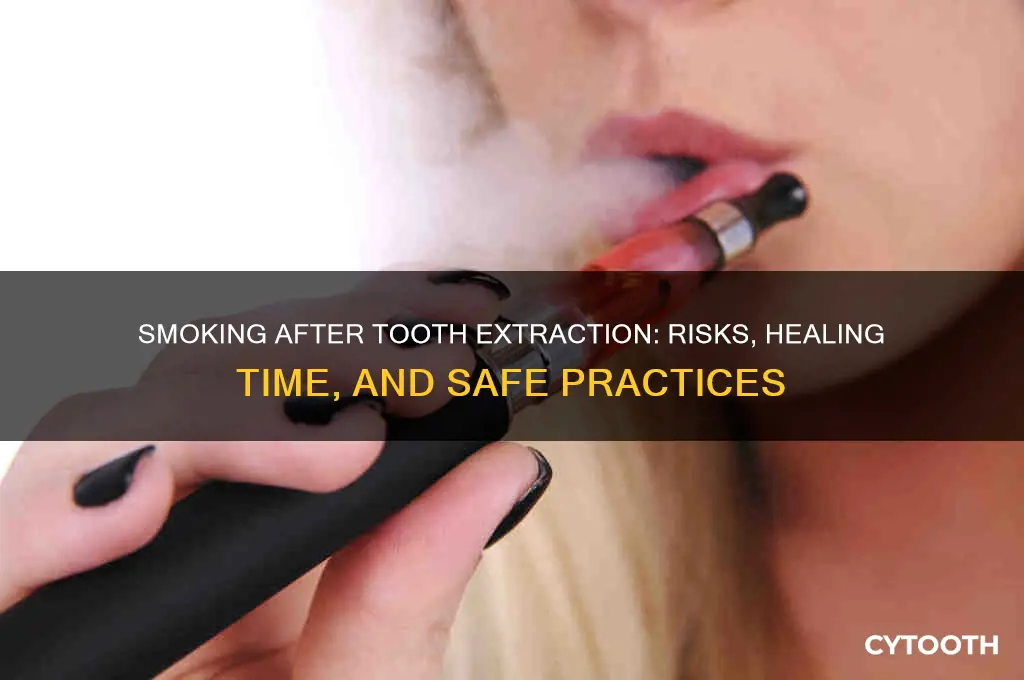
Smoking after a tooth extraction is a common concern for many patients, as it can significantly impact the healing process. The act of inhaling smoke and the chemicals in cigarettes can introduce bacteria and irritants to the extraction site, increasing the risk of infection, dry socket, and prolonged healing. Additionally, the suction created during smoking can dislodge the blood clot that forms in the socket, which is crucial for proper healing. Dentists and oral surgeons generally advise avoiding smoking for at least 48 to 72 hours after the procedure, though extending this period further can promote better recovery. Patients are encouraged to follow post-operative instructions carefully and consider this an opportunity to reduce or quit smoking altogether for improved oral and overall health.
| Characteristics | Values |
|---|---|
| Recommended Waiting Period | At least 72 hours (3 days) after tooth extraction. |
| Risk of Dry Socket | Smoking increases the risk of dry socket due to reduced blood flow and healing disruption. |
| Delayed Healing | Nicotine and chemicals in smoke impair blood flow, slowing down the healing process. |
| Infection Risk | Smoking introduces bacteria and toxins, increasing the risk of infection at the extraction site. |
| Pain and Swelling | Smoking can worsen pain and swelling post-extraction. |
| Blood Clot Disruption | Suction from smoking can dislodge the blood clot, leading to complications like dry socket. |
| Oral Hygiene Impact | Smoking reduces saliva production, hindering natural cleaning and healing mechanisms. |
| Long-Term Complications | Prolonged smoking after extraction can lead to bone loss, gum disease, or implant failure. |
| Alternative Recommendations | Use nicotine patches or gum as alternatives to smoking during the healing period. |
| Dentist Consultation | Always consult your dentist for personalized advice based on your specific case. |
What You'll Learn
- Immediate Post-Op Risks: Smoking can delay healing, increase infection risk, and cause dry socket after tooth extraction
- Timing for Safe Smoking: Dentists recommend waiting at least 72 hours before smoking after a tooth extraction
- Impact on Healing: Smoking reduces blood flow, slows tissue repair, and prolongs recovery after dental surgery
- Alternatives to Smoking: Consider nicotine patches, gum, or lozenges to avoid smoking post-extraction
- Complications of Ignoring Advice: Smoking too soon can lead to severe pain, bleeding, and potential surgical failure

Immediate Post-Op Risks: Smoking can delay healing, increase infection risk, and cause dry socket after tooth extraction
Smoking immediately after a tooth extraction introduces a host of complications that can derail the healing process. The heat and chemicals from cigarette smoke irritate the surgical site, disrupting the formation of a blood clot—a critical step in healing. Without this protective clot, the extraction socket remains exposed, increasing the risk of infection and dry socket (alveolar osteitis), a painful condition where the bone becomes inflamed. Each puff prolongs inflammation, delaying tissue repair by up to 40%, according to dental studies. For those who cannot abstain entirely, reducing smoking to fewer than 5 cigarettes daily *may* mitigate some risks, though complete cessation remains the safest option.
Consider the mechanics of smoking: the suction created while inhaling can dislodge the blood clot, even hours after surgery. This action, combined with toxic substances like nicotine and tar, constricts blood vessels, reducing oxygen and nutrient delivery to the wound. A compromised blood supply not only slows healing but also weakens the immune response, making the site more susceptible to bacterial invasion. Patients over 40 or those with pre-existing conditions like diabetes face compounded risks, as their healing capacity is already diminished. Practical advice? Avoid smoking for at least 72 hours post-extraction, and use a cold compress to minimize swelling and discomfort.
Persuasively, the data speaks for itself: smokers are twice as likely to develop dry socket compared to non-smokers. This condition not only extends recovery time but also requires additional interventions, such as medicated dressings or analgesics, to manage pain. For heavy smokers (more than 10 cigarettes daily), the odds increase exponentially. Quitting, even temporarily, offers immediate benefits—improved blood flow, reduced infection risk, and faster epithelialization. If quitting seems daunting, nicotine patches or gum can be used as alternatives, but consult a dentist to ensure they won’t interfere with healing.
Comparatively, non-smokers typically experience minimal post-op discomfort and resume normal activities within 48–72 hours. Smokers, however, often report prolonged pain, bad breath, and complications like bone exposure. The financial implications are equally stark: treating infections or dry socket can add $200–$500 to the initial extraction cost. For those undergoing multiple extractions or complex procedures like wisdom tooth removal, the stakes are even higher. A descriptive analogy: think of the extraction site as a garden; smoking is akin to trampling the soil just after planting—growth is stunted, and the harvest (healing) is delayed.
Instructively, patients must adhere to strict post-op guidelines to counteract smoking’s effects. Avoid hot beverages, strenuous activity, and alcohol for 24 hours. Rinse gently with warm salt water after meals to keep the area clean, but only after the first 24 hours. Elevate your head while sleeping to reduce bleeding and swelling. If you must smoke, wait at least 72 hours, and never blow forcefully into the socket. For those using e-cigarettes, the risks are similar—the vapor still contains nicotine and chemicals that impair healing. Ultimately, the choice is clear: prioritize short-term abstinence for long-term oral health.
Nitrous Oxide for Complex Tooth Extractions: Benefits and Considerations
You may want to see also
Timing for Safe Smoking: Dentists recommend waiting at least 72 hours before smoking after a tooth extraction
Smoking after a tooth extraction can significantly hinder the healing process, and dentists universally advise a waiting period to minimize risks. The recommended timeline is clear: wait at least 72 hours before reintroducing smoking. This delay allows the blood clot at the extraction site to stabilize, reducing the risk of complications like dry socket, a painful condition where the clot dislodges or dissolves prematurely. Ignoring this advice can lead to prolonged healing, infection, or further dental issues, making adherence to this timeline crucial for recovery.
From a physiological standpoint, the first 72 hours post-extraction are critical for initial wound healing. During this period, the body works to form a stable blood clot and initiate tissue repair. Smoking introduces nicotine and other chemicals that constrict blood vessels, reducing oxygen and nutrient flow to the extraction site. Additionally, the suction action of smoking can dislodge the clot, exposing bone and nerves. These factors combined create an environment ripe for complications, underscoring why dentists emphasize this specific waiting period.
For those struggling to abstain from smoking for 72 hours, practical strategies can help. Nicotine replacement therapies, such as patches or gum, can alleviate cravings without compromising the healing process. It’s also advisable to stay hydrated and avoid alcohol, as dehydration and impaired judgment can increase the likelihood of smoking prematurely. Planning distractions, like engaging in hobbies or spending time with non-smoking friends, can further reduce the temptation to light up during this critical window.
Comparing the risks of smoking too soon versus waiting highlights the importance of patience. Smoking within the first 48 hours increases the dry socket risk by up to 30%, according to dental studies. In contrast, waiting the full 72 hours reduces this risk significantly, allowing the clot to mature and the wound to begin sealing properly. While three days may seem like a minor sacrifice, it’s a small price to pay for avoiding severe pain and potential complications that could extend recovery by weeks.
Ultimately, the 72-hour rule isn’t arbitrary—it’s grounded in the body’s natural healing timeline and the specific risks smoking poses to an extraction site. Dentists don’t recommend this waiting period to inconvenience patients but to ensure the best possible outcome. By respecting this guideline, individuals can protect their oral health, expedite recovery, and avoid unnecessary pain. For smokers, viewing this as a temporary pause rather than a permanent restriction can make the challenge more manageable and the benefits more attainable.
Post-Tooth Extraction Soccer: Safe Play Guidelines for Kids
You may want to see also
Impact on Healing: Smoking reduces blood flow, slows tissue repair, and prolongs recovery after dental surgery
Smoking after a tooth extraction is akin to pouring salt on an open wound—it exacerbates the problem rather than aiding recovery. Nicotine and carbon monoxide in cigarette smoke constrict blood vessels, reducing oxygen and nutrient delivery to the surgical site. This impaired blood flow slows the body’s natural healing processes, leaving the extraction site vulnerable to infection and complications. For instance, studies show that smokers are 2 to 3 times more likely to develop dry socket, a painful condition where the blood clot at the extraction site dislodges prematurely.
Consider the healing timeline: a nonsmoker typically recovers from a tooth extraction within 7 to 10 days. For smokers, this period can extend to 2 weeks or more, with increased discomfort and risk of complications. The reason lies in the delayed tissue repair caused by smoking. Collagen synthesis, a critical component of wound healing, is significantly hindered by nicotine, leading to weaker, less resilient tissue formation. Even secondhand smoke exposure can impede recovery, as the harmful chemicals still enter the bloodstream and affect circulation.
If you’re a smoker facing dental surgery, quitting—even temporarily—is the most effective way to ensure optimal healing. For those unable to quit entirely, reducing smoking to fewer than 5 cigarettes per day can mitigate some risks, though complete abstinence is ideal. Practical tips include setting a quit date before the procedure, using nicotine replacement therapy (e.g., patches or gum) under a dentist’s guidance, and avoiding smoking for at least 72 hours post-extraction. These steps can significantly improve blood flow and tissue repair, reducing the likelihood of complications.
Comparing smoking to other post-extraction habits highlights its detrimental impact. While rinsing too soon or consuming hard foods can disrupt healing, smoking actively sabotages it from within. The chemicals in cigarettes not only delay recovery but also increase the risk of infection, as they weaken the immune response. For example, smokers are more prone to bacterial colonization in the oral cavity, which can lead to conditions like osteomyelitis, a severe bone infection. This underscores the critical need to prioritize abstinence during the healing period.
In conclusion, smoking after a tooth extraction is a high-risk choice that compromises healing at every stage. From reduced blood flow to delayed tissue repair, the consequences are both immediate and long-term. By understanding the science behind these effects and taking proactive steps to avoid smoking, patients can significantly improve their recovery outcomes. The message is clear: for the sake of your oral health, let the extraction site heal without the added burden of cigarette smoke.
Soft Toys After Dog Tooth Extraction: Safe Playtime Tips
You may want to see also
Alternatives to Smoking: Consider nicotine patches, gum, or lozenges to avoid smoking post-extraction
Smoking after a tooth extraction can significantly delay healing and increase the risk of complications like dry socket. For those struggling to quit, nicotine replacement therapy (NRT) offers a practical solution. Nicotine patches, gum, and lozenges provide controlled doses of nicotine without the harmful chemicals and physical trauma of smoking, making them safer alternatives during recovery.
Choosing the Right NRT Product
Nicotine patches deliver a steady dose of nicotine through the skin, typically ranging from 7 to 21 mg per day, depending on smoking habits. They’re ideal for consistent cravings but lack the immediate gratification of smoking. Nicotine gum (2 or 4 mg per piece) and lozenges (2 or 4 mg per lozenge) act faster, mimicking the hand-to-mouth ritual of smoking. Adults over 18 can use these products, but consulting a healthcare provider is advised, especially for those with cardiovascular conditions or pregnant individuals.
Using NRT Effectively Post-Extraction
To avoid irritating the extraction site, opt for patches initially, as gum and lozenges require chewing or sucking, which can increase saliva production and pressure in the mouth. If using gum or lozenges, follow the "chew and park" method: chew until you taste nicotine, then park the gum between your cheek and gum to minimize movement. Limit gum use to 20 pieces per day and lozenges to 15 per day to prevent nicotine overdose.
Combining NRT with Behavioral Strategies
NRT works best when paired with behavioral changes. Identify smoking triggers—stress, boredom, or social situations—and replace them with healthier habits like deep breathing, walking, or sipping water. Gradually reduce NRT dosage over 8–12 weeks to wean off nicotine dependence. For example, switch from a 21 mg patch to 14 mg after 4 weeks, then to 7 mg before discontinuing.
Practical Tips for Success
Start NRT the day of extraction to manage cravings immediately. Keep patches, gum, or lozenges within reach to avoid relapse. Track usage to stay within recommended limits and monitor side effects like nausea or dizziness. Remember, NRT is a tool, not a long-term solution. Use this recovery period as an opportunity to break the smoking habit entirely, ensuring both oral health and overall well-being.
Mouthwash After Tooth Extraction: Safe or Risky for Healing?
You may want to see also
Complications of Ignoring Advice: Smoking too soon can lead to severe pain, bleeding, and potential surgical failure
Smoking after a tooth extraction is a risky gamble with your oral health. The suction created by inhaling on a cigarette or the chemicals in tobacco smoke can dislodge the blood clot that forms in the extraction site, a condition known as dry socket. This clot is crucial for protecting the underlying bone and nerves, and its loss exposes these sensitive structures to air, food, and fluids, resulting in severe pain that can radiate to the ear, eye, temple, or neck. The pain typically begins one to three days after the tooth is removed and can last for five to seven days, requiring additional medical intervention to manage.
Consider the immediate aftermath of a tooth extraction as a delicate healing process. The body works to form a blood clot, which is the first step in healing and protecting the extraction site. Smoking introduces harmful substances and reduces blood flow to the area, impairing the healing process. Nicotine, a vasoconstrictor, narrows blood vessels, reducing the oxygen and nutrient supply to the surgical site. This delay in healing increases the risk of infection, as bacteria can more easily invade the exposed area. For instance, a study published in the *Journal of Oral and Maxillofacial Surgery* found that smokers are twice as likely to develop infections post-extraction compared to non-smokers.
The consequences of ignoring the advice to avoid smoking can be dire, particularly for older adults or individuals with pre-existing health conditions. For example, patients over 50 with cardiovascular disease or diabetes are at a higher risk of complications due to reduced blood flow and impaired immune responses. Even in younger, healthier individuals, the risk of bleeding is significantly increased. Smoking causes platelets to become more adhesive, leading to the formation of blood clots within blood vessels, but paradoxically, it also impairs the clotting mechanism at the extraction site. This dual effect can result in prolonged bleeding, which not only causes discomfort but also increases the risk of infection and dry socket.
To minimize these risks, it’s essential to follow post-extraction guidelines meticulously. Dentists typically advise waiting at least 72 hours before smoking, though extending this period to a week is ideal. During this time, manage nicotine cravings with alternatives such as nicotine patches or gum, ensuring they are used according to the manufacturer’s instructions. For example, a 21 mg nicotine patch can be applied daily, providing a steady release of nicotine without the harmful effects of smoke. Additionally, maintaining good oral hygiene is crucial; gently rinsing with a warm salt-water solution (1/2 teaspoon of salt in 8 ounces of warm water) can help keep the area clean without disturbing the clot.
In conclusion, the complications of smoking too soon after a tooth extraction are not merely inconveniences but serious health risks. Severe pain, bleeding, and potential surgical failure can significantly prolong recovery and may require additional medical procedures. By understanding the specific risks and following practical advice, patients can ensure a smoother, more comfortable healing process. Remember, the temporary satisfaction of smoking is not worth jeopardizing your oral health and overall well-being.
Can Dentists Perform Root Canals and Tooth Extractions? Expert Insights
You may want to see also
Frequently asked questions
No, it is strongly recommended to avoid smoking for at least 24–72 hours after a tooth extraction. Smoking can introduce harmful chemicals and bacteria into the extraction site, increasing the risk of infection and delaying healing.
It’s best to wait at least 72 hours (3 days) before smoking to allow the blood clot to form and stabilize in the extraction site. Smoking too soon can cause a dry socket, a painful condition that occurs when the clot is dislodged or dissolves prematurely.
Smoking after a tooth extraction can lead to complications such as dry socket, delayed healing, increased pain, infection, and prolonged bleeding. It also reduces blood flow to the area, impairing the body’s ability to heal properly.