Ethan Brooks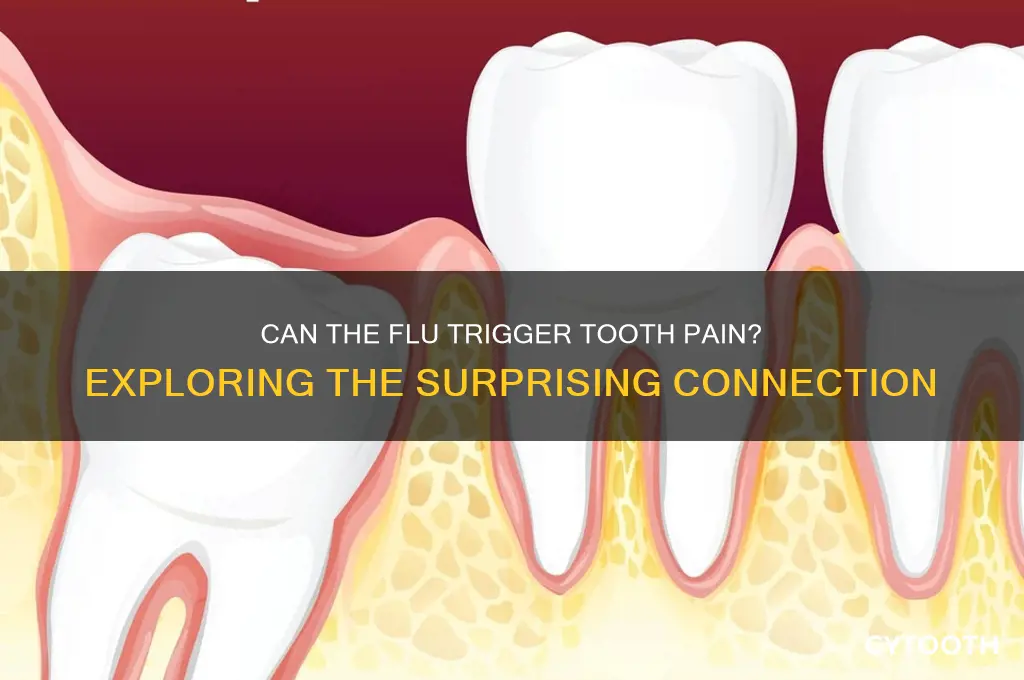
Flu, or influenza, is a common respiratory illness caused by the influenza virus, typically associated with symptoms like fever, cough, and body aches. However, some individuals may experience less common symptoms, including tooth pain, which can be surprising and concerning. While the flu itself does not directly infect the teeth, it can lead to conditions that indirectly cause dental discomfort. For instance, sinus congestion and inflammation, often accompanying the flu, can create pressure on the upper jaw and teeth, resulting in aching or sensitivity. Additionally, flu-related dehydration and dry mouth can reduce saliva production, increasing the risk of tooth decay and gum irritation. Understanding these connections is essential for distinguishing between flu-induced tooth pain and other dental issues, ensuring appropriate treatment and relief.
| Characteristics | Values |
|---|---|
| Direct Cause | No, the flu itself does not directly cause tooth pain. |
| Indirect Causes | Sinus pressure from flu-related congestion can lead to tooth pain, especially in the upper teeth. |
| Symptoms Overlap | Flu symptoms like fever, fatigue, and body aches may coincide with tooth pain if an infection is present. |
| Secondary Infections | Flu weakens the immune system, increasing susceptibility to dental infections (e.g., gum disease, abscesses) that cause tooth pain. |
| Dehydration | Flu-induced dehydration can reduce saliva production, leading to dry mouth and potential tooth sensitivity or pain. |
| Medications | Some flu medications (e.g., decongestants) may cause dry mouth, exacerbating tooth discomfort. |
| Pre-existing Conditions | Flu can worsen existing dental issues (e.g., cavities, gum disease), triggering or intensifying tooth pain. |
| Sinusitis Complication | Flu-related sinus infections can cause referred pain to the teeth due to proximity of sinuses to upper teeth. |
| Prevention | Maintaining oral hygiene and staying hydrated during flu can reduce the risk of tooth pain. |
| Treatment | Addressing the flu, staying hydrated, and treating any dental issues are key to alleviating tooth pain. |
What You'll Learn

Sinus Pressure and Tooth Pain
Sinus pressure can masquerade as tooth pain, leaving you puzzled about the source of your discomfort. The sinuses, air-filled cavities located above, below, and between the eyes, share close proximity to the upper teeth. When inflamed due to a cold, flu, or allergies, sinus pressure can radiate to the teeth, mimicking a dental ache. This referred pain often affects the molars and premolars, leading many to mistakenly believe they have a cavity or infection.
Imagine a balloon inflating inside your cheek—that’s akin to the pressure sinuses exert on surrounding structures when congested. The maxillary sinuses, positioned just above the upper jaw, are particularly notorious for this. During a flu, nasal congestion and sinus inflammation are common, causing mucus buildup and increased pressure. This pressure can push against the roots of the upper teeth, triggering sensitivity or a dull, persistent ache. Unlike typical tooth pain, which worsens with chewing or temperature changes, sinus-related pain often intensifies when bending forward or lying down.
To differentiate sinus pressure from a dental issue, consider these practical steps. First, evaluate accompanying symptoms: sinus pain is often paired with nasal congestion, headache, or facial tenderness, whereas a toothache may involve gum swelling or a visible cavity. Second, try a decongestant like pseudoephedrine (follow the label for dosage, typically 60 mg every 4–6 hours for adults) or a nasal spray (e.g., oxymetazoline, used sparingly for 3 days max). If the tooth pain subsides with sinus relief, it’s likely sinus-related. However, if pain persists or worsens, consult a dentist to rule out dental problems.
For those prone to sinus issues, preventive measures can reduce the risk of tooth pain during flu season. Use a humidifier to keep nasal passages moist, stay hydrated, and avoid sudden temperature changes that can exacerbate sinus pressure. Over-the-counter saline nasal sprays can also help clear congestion. If sinus pain becomes chronic, a healthcare provider may recommend a corticosteroid nasal spray (e.g., fluticasone) or antibiotics for bacterial sinusitis. Always consult a professional before starting new treatments, especially if symptoms persist beyond 10 days.
In summary, sinus pressure from the flu can easily mimic tooth pain, particularly in the upper jaw. By recognizing associated symptoms, using targeted remedies, and adopting preventive habits, you can distinguish between sinus-related discomfort and genuine dental issues. When in doubt, seek professional advice to ensure proper treatment and avoid unnecessary dental procedures.
Can a Bad Tooth Cause Throat Pain? Exploring the Connection
You may want to see also
Flu-Related Jaw Muscle Aches
The flu, a viral infection primarily targeting the respiratory system, can manifest in surprising ways beyond the typical fever, cough, and fatigue. One lesser-known symptom is jaw muscle aches, often mistaken for tooth pain. This discomfort arises from the body’s inflammatory response to the virus, which can affect the muscles and tissues surrounding the jaw. Understanding this connection is crucial for distinguishing between dental issues and flu-related symptoms, ensuring appropriate treatment and relief.
Analyzing the mechanism, flu-induced jaw pain often stems from myalgia, or muscle pain, exacerbated by systemic inflammation. The temporomandibular joint (TMJ), which connects the jawbone to the skull, is particularly susceptible. When the body fights the flu, cytokines—inflammatory proteins—are released, causing muscle soreness and stiffness. This can radiate to the jaw, mimicking toothache symptoms. For instance, clenching or grinding teeth, common stress responses during illness, can intensify this discomfort. Recognizing this pattern helps differentiate between a dental emergency and a flu-related ache.
To alleviate flu-related jaw muscle aches, practical steps can be taken. Applying a warm compress to the jaw area for 10–15 minutes, several times a day, can relax tense muscles and reduce pain. Over-the-counter anti-inflammatory medications like ibuprofen (200–400 mg every 4–6 hours, as needed) can also help manage inflammation and discomfort. For children or those sensitive to NSAIDs, acetaminophen (500–1000 mg every 6 hours) is a safer alternative. Avoiding hard or chewy foods and practicing gentle jaw exercises, such as slow opening and closing motions, can further ease tension.
Comparatively, while tooth pain often localizes to a specific area and may worsen with chewing or temperature sensitivity, flu-related jaw aches tend to be more generalized and accompanied by other flu symptoms like body aches and fever. A key distinction is the absence of dental triggers like cavities or gum disease in flu-related cases. If symptoms persist beyond the flu’s duration or are accompanied by swelling, redness, or discharge, consulting a dentist is advisable to rule out underlying dental issues.
In conclusion, flu-related jaw muscle aches are a real, though often overlooked, symptom of the illness. By understanding the inflammatory mechanisms at play and employing targeted remedies, individuals can effectively manage this discomfort. Distinguishing it from tooth pain ensures appropriate care, whether self-treatment or professional intervention. Awareness of this connection empowers individuals to navigate flu symptoms more confidently and accurately.
Flossing Too Hard: A Hidden Cause of Tooth Pain?
You may want to see also
Inflammation Near Tooth Roots
Flu symptoms often extend beyond the typical congestion and fever, sometimes manifesting as unexpected tooth pain. This discomfort can arise from inflammation near the tooth roots, a condition known as periodontal abscess or periapical inflammation. When the flu weakens the immune system, bacteria in the mouth can exploit this vulnerability, leading to infection in the gums or the pulp of the tooth. Such inflammation puts pressure on the sensitive nerve endings around the tooth roots, resulting in sharp or throbbing pain that may radiate to the jaw or ear.
To address this issue, it’s crucial to differentiate between flu-related tooth pain and other dental problems. Start by examining the pain’s characteristics: does it worsen with chewing or temperature changes? If the pain is localized to a specific tooth and accompanied by swelling or sensitivity, inflammation near the tooth root is likely the culprit. Over-the-counter anti-inflammatory medications like ibuprofen (200–400 mg every 6 hours) can help reduce swelling and alleviate pain temporarily. However, these measures are palliative and not a substitute for professional care.
Preventing such inflammation during the flu involves maintaining oral hygiene despite fatigue. Use a soft-bristled toothbrush to avoid irritating inflamed gums, and rinse with warm salt water (1/2 teaspoon of salt in 8 ounces of water) to reduce bacterial growth. Avoid sugary or acidic foods that can exacerbate inflammation. For individuals over 65 or those with compromised immune systems, extra caution is advised, as they are more susceptible to severe infections.
If pain persists for more than 48 hours or is accompanied by fever, facial swelling, or difficulty swallowing, seek immediate dental care. A dentist may prescribe antibiotics to combat infection or perform a root canal to remove infected tissue. Ignoring these symptoms can lead to abscess formation, bone loss, or systemic infection, particularly in flu-weakened states. Early intervention not only relieves pain but also prevents long-term dental damage.
In summary, inflammation near tooth roots during the flu is a treatable but serious condition. By recognizing symptoms, practicing diligent oral care, and seeking timely professional help, individuals can mitigate discomfort and protect their dental health. Remember, tooth pain is not a typical flu symptom—it’s a red flag that demands attention.
Cracked Tooth and Jaw Pain: Understanding the Surprising Connection
You may want to see also
Dry Mouth and Tooth Sensitivity
Dry mouth, or xerostomia, is a common side effect of the flu, often exacerbated by dehydration and certain medications. When saliva production decreases, the mouth loses its natural defense against bacteria and acid erosion. This can lead to tooth sensitivity, as the protective enamel becomes more vulnerable. For instance, sipping water frequently during illness can help maintain saliva levels, but many overlook this simple remedy. Without adequate saliva, even brushing teeth can cause discomfort, making it essential to address dry mouth promptly.
To alleviate dry mouth and reduce tooth sensitivity during the flu, consider these practical steps. First, chew sugar-free gum or suck on sugar-free lozenges to stimulate saliva production. Avoid acidic or sugary foods and drinks, as they worsen sensitivity. Over-the-counter saliva substitutes or mouth rinses designed for dry mouth can provide temporary relief. If symptoms persist, consult a dentist, as they may recommend prescription medications like pilocarpine or cevimeline. Remember, managing dry mouth not only eases tooth pain but also prevents long-term dental issues.
Comparing dry mouth during the flu to other causes, such as medication side effects or Sjögren’s syndrome, highlights its temporary nature. However, the flu’s dehydration and fever intensify the condition, making it particularly uncomfortable. For example, while chronic dry mouth often requires ongoing management, flu-related xerostomia typically resolves within a week. This distinction underscores the importance of hydration and short-term remedies during illness. Ignoring dry mouth during the flu can lead to cavities or gum disease, so proactive care is crucial.
Descriptively, imagine the sensation of dry mouth: a parched tongue, sticky lips, and a burning feeling that amplifies tooth sensitivity. Each sip of water brings fleeting relief, but the discomfort returns as saliva evaporates. This vivid experience is common during the flu, especially when fever and fatigue reduce fluid intake. Adding a humidifier to the bedroom can ease nighttime dryness, while rinsing with a fluoride mouthwash strengthens enamel. By addressing both the cause and symptoms, individuals can navigate this flu-related issue with greater comfort and confidence.
Popcorn Kernels and Tooth Pain: Uncovering the Surprising Connection
You may want to see also
Earache Radiating to Teeth
Earaches that radiate to the teeth are a perplexing symptom often mistaken for dental issues. This phenomenon occurs because the trigeminal nerve, responsible for facial sensation, innervates both the ears and teeth. When inflammation or infection affects the ear—such as during the flu—this nerve can transmit pain signals to the jaw or teeth, creating confusion about the source of discomfort. Understanding this neural overlap is crucial for distinguishing between a dental problem and a flu-related earache.
To alleviate earache-induced tooth pain during the flu, start with targeted remedies. Over-the-counter pain relievers like ibuprofen (200–400 mg every 6 hours) or acetaminophen (500–1000 mg every 4–6 hours) can reduce inflammation and pain. Applying a warm compress to the affected ear for 15–20 minutes may also soothe discomfort. Avoid inserting objects into the ear, as this can worsen inflammation. If symptoms persist beyond 48 hours or are accompanied by fever, dizziness, or severe pain, consult a healthcare provider to rule out complications like otitis media.
Children under 12 are particularly susceptible to earaches radiating to the teeth during the flu due to their developing Eustachian tubes. For pediatric cases, administer age-appropriate doses of acetaminophen or ibuprofen, ensuring the medication is specifically formulated for children. Elevating the child’s head during sleep can help drain fluids and reduce pressure. If the child is under 2, or if symptoms include high fever or persistent crying, seek immediate medical attention, as ear infections in young children can escalate quickly.
Comparatively, adults with flu-related earaches may experience more intense pain due to sinus congestion or pre-existing conditions like TMJ disorder. In such cases, decongestants like pseudoephedrine (60 mg every 4–6 hours) can relieve pressure, but they should be avoided by individuals with hypertension. Nasal saline sprays or a neti pot can also help clear congestion. For chronic sufferers, consulting an ENT specialist may reveal underlying issues contributing to recurrent ear and tooth pain during illnesses.
Practically, prevention is key to avoiding flu-induced earaches. Annual flu vaccinations reduce the likelihood of infection, while maintaining good nasal hygiene—such as using a humidifier in dry environments—can prevent sinus congestion. For frequent flyers or divers, chewing gum or yawning during altitude changes helps equalize ear pressure, reducing the risk of earaches. By addressing the root cause and understanding the neural connection, individuals can effectively manage and prevent this uncomfortable symptom.
Tooth Infection and Back Pain: Uncovering the Surprising Connection
You may want to see also
Frequently asked questions
The flu itself does not directly cause tooth pain, but symptoms like sinus pressure, congestion, and inflammation can lead to referred pain in the teeth, especially in the upper molars.
Tooth pain during the flu is often due to sinus congestion or infection, which puts pressure on the nerves surrounding the upper teeth, causing discomfort or pain.
If your tooth pain is accompanied by flu symptoms like fever, body aches, and congestion, and if the pain is generalized rather than localized to one tooth, it’s likely related to sinus pressure from the flu.
To relieve flu-related tooth pain, use over-the-counter pain relievers, decongestants, nasal sprays, or warm compresses on the sinus area. Staying hydrated and using a humidifier can also help alleviate sinus pressure.