Samantha Blake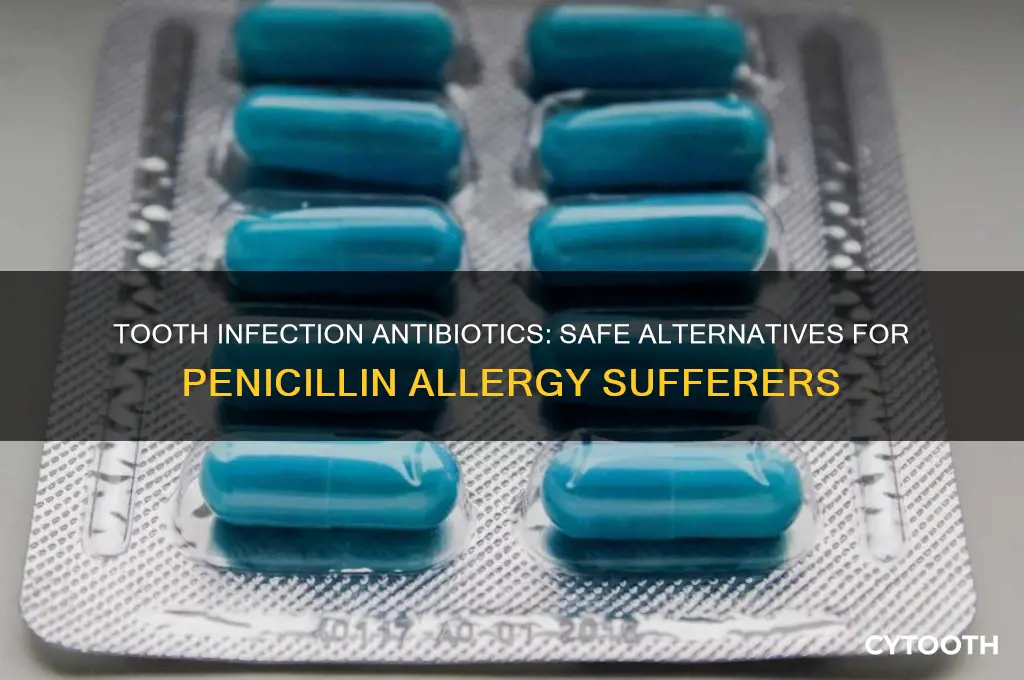
For individuals with a penicillin allergy, treating a tooth infection requires careful consideration of alternative antibiotics. Penicillin, particularly amoxicillin, is commonly prescribed for dental infections due to its effectiveness against the bacteria typically involved. However, for those allergic to penicillin, dentists and healthcare providers often turn to other options such as clindamycin, erythromycin, or a combination of metronidazole and amoxicillin-clavulanate alternatives. Clindamycin is frequently chosen due to its broad-spectrum activity against anaerobic bacteria, which are common culprits in dental abscesses. Erythromycin, another macrolide antibiotic, may also be used, though it is generally less potent. In more severe cases or when other antibiotics are not suitable, providers might consider tetracyclines like doxycycline or fluoroquinolones like levofloxacin, though these are typically reserved for specific circumstances due to potential side effects or resistance concerns. Always consult a healthcare professional to determine the most appropriate antibiotic based on the severity of the infection, allergy history, and individual health factors.
What You'll Learn

Erythromycin as Penicillin Alternative
For individuals allergic to penicillin, finding an effective antibiotic for a tooth infection can be challenging. Erythromycin emerges as a viable alternative, offering a similar spectrum of activity against the bacteria commonly responsible for dental abscesses. This macrolide antibiotic inhibits bacterial protein synthesis, effectively halting the growth and spread of pathogens like Streptococcus and Staphylococcus species, which frequently cause tooth infections. Its efficacy, coupled with a lower likelihood of cross-reactivity with penicillin, makes it a preferred choice for those with penicillin allergies.
When prescribing erythromycin for a tooth infection, dentists typically recommend a dosage of 250–500 mg every 6 hours, depending on the severity of the infection and the patient’s age. For children, the dosage is weight-based, usually calculated as 30–50 mg/kg/day divided into multiple doses. It’s crucial to take the medication on an empty stomach (at least 1 hour before or 2 hours after meals) to maximize absorption, though patients who experience stomach upset may take it with food. Completing the full course of treatment, usually 7–10 days, is essential to prevent antibiotic resistance and ensure the infection is fully eradicated.
One of the advantages of erythromycin is its broad availability in various formulations, including tablets, capsules, and oral suspensions, making it accessible for patients of all age groups. However, it’s important to note potential side effects, such as gastrointestinal discomfort (nausea, vomiting, diarrhea), which can be mitigated by taking the medication with a meal. Rarely, erythromycin may cause liver function abnormalities, so monitoring is advised for prolonged use. Patients should also be aware of drug interactions, particularly with medications metabolized by the liver, such as statins or anticoagulants.
Compared to penicillin, erythromycin has a slightly narrower spectrum but remains highly effective against gram-positive bacteria, the primary culprits in tooth infections. Its safety profile in penicillin-allergic patients is well-established, with studies showing minimal risk of cross-reactivity. However, it’s not without limitations—erythromycin is less effective against certain gram-negative bacteria, which may require alternative antibiotics like clindamycin or cephalosporins in mixed infections. Despite this, its reliability and accessibility make it a cornerstone in dental infection management for those with penicillin allergies.
In practice, erythromycin serves as a practical and effective solution for penicillin-allergic patients with tooth infections. Its ease of administration, proven efficacy, and manageable side effects position it as a go-to alternative. Patients should follow their dentist’s instructions closely, report any adverse reactions promptly, and pair antibiotic treatment with proper dental care, such as drainage of abscesses or root canal therapy, for comprehensive management. By understanding its role and limitations, both clinicians and patients can leverage erythromycin to combat dental infections safely and effectively.
Vet-Prescribed Antibiotics for Your Dog's Tooth Infection: What to Expect
You may want to see also
Clindamycin for Tooth Infections
For individuals allergic to penicillin, clindamycin emerges as a potent alternative to combat tooth infections. This lincosamide antibiotic disrupts bacterial protein synthesis, effectively targeting the anaerobic bacteria commonly implicated in dental abscesses. Its efficacy against prevalent oral pathogens like *Prevotella* and *Fusobacterium* species makes it a cornerstone in dental pharmacotherapy.
Dosage and Administration: Clindamycin is typically prescribed at 300–450 mg orally every 6 hours for adults, with a maximum daily dose of 1800 mg. Pediatric dosing is weight-based, ranging from 8–20 mg/kg/day divided into 3–4 doses. The duration of therapy varies, but 5–7 days is standard for dental infections. It’s crucial to take clindamycin with a full glass of water to minimize gastrointestinal side effects, and completing the full course is essential, even if symptoms improve.
Advantages and Considerations: Unlike penicillin, clindamycin’s mechanism bypasses beta-lactam allergies, making it a safer option for sensitive patients. However, its use is not without risks. Clindamycin is associated with *Clostridioides difficile*-associated diarrhea, a potentially severe complication, particularly in elderly or immunocompromised individuals. Dentists often weigh this risk against the infection’s severity before prescribing.
Comparative Efficacy: Studies show clindamycin’s success rate in resolving dental infections rivals that of penicillin derivatives, with cure rates exceeding 85% in uncomplicated cases. Its ability to penetrate bone and soft tissue enhances its utility in treating periodontitis and periapical abscesses. However, it’s less effective against gram-negative bacilli, necessitating culture and sensitivity testing in complex infections.
Practical Tips: Patients should avoid alcohol while on clindamycin, as it may exacerbate gastrointestinal irritation. Probiotic supplementation during and after treatment can mitigate the risk of antibiotic-associated dysbiosis. For those with dysphagia or difficulty swallowing capsules, the liquid formulation offers a viable alternative, though its bitter taste may require mixing with juice or food. Always consult a dentist or physician to tailor the regimen to individual needs, ensuring both safety and efficacy.
Effective Antibiotics for Treating Gum and Tooth Infections: A Guide
You may want to see also
Tetracycline Use and Side Effects
Tetracycline, a broad-spectrum antibiotic, often emerges as a viable alternative for individuals allergic to penicillin who require treatment for tooth infections. Its mechanism of action involves inhibiting bacterial protein synthesis, effectively halting the growth and spread of infection-causing bacteria. Typically prescribed at a dosage of 250–500 mg every 6 hours for adults, it’s crucial to take this medication on an empty stomach, at least one hour before or two hours after meals, to ensure optimal absorption. However, dairy products, antacids, and iron supplements can interfere with its effectiveness, so patients should avoid these during treatment.
While tetracycline is effective, its side effects warrant careful consideration. Common adverse reactions include gastrointestinal issues such as nausea, vomiting, and diarrhea, which can often be mitigated by taking the medication with a full glass of water and remaining upright for 30 minutes afterward. More concerning is its potential to cause permanent tooth discoloration in children under 8 years old and pregnant women, as it binds to calcium in developing teeth and bones. This risk underscores the importance of avoiding tetracycline in these populations unless absolutely necessary.
A comparative analysis highlights tetracycline’s advantages and drawbacks relative to other antibiotics. Unlike penicillin, it doesn’t carry the risk of anaphylaxis in allergic individuals, making it a safer choice in emergencies. However, its broad-spectrum nature can disrupt beneficial gut flora, potentially leading to secondary infections like *Clostridioides difficile*-associated diarrhea. This contrasts with more targeted antibiotics like clindamycin, which may be preferred in certain cases despite their own side effect profiles.
For those prescribed tetracycline, practical tips can enhance its efficacy and minimize discomfort. Completing the full course of treatment, even if symptoms improve, is essential to prevent antibiotic resistance. Patients should also monitor for severe side effects, such as skin rash, difficulty swallowing, or persistent headaches, and seek medical attention immediately if these occur. Additionally, using probiotics during and after treatment can help restore gut health, though consultation with a healthcare provider is advised to ensure compatibility.
In conclusion, tetracycline serves as a valuable option for tooth infections in penicillin-allergic patients, but its use requires careful consideration of dosage, timing, and potential risks. By adhering to guidelines and staying vigilant for side effects, individuals can maximize its benefits while minimizing harm, ensuring a safer and more effective treatment experience.
Best Antibiotic for Infected Tooth: Effective Treatment Options Explained
You may want to see also
Cephalosporins: Safe for Penicillin Allergy?
Cephalosporins are often considered as an alternative to penicillin for treating tooth infections, especially in patients with a known allergy. However, the safety of cephalosporins in this context is not as straightforward as it might seem. While they share a similar beta-lactam structure with penicillin, the cross-reactivity between these two classes of antibiotics is relatively low, estimated at around 1-3%. This means that most individuals with a penicillin allergy can tolerate cephalosporins without adverse reactions. For instance, a 30-year-old patient with a history of mild penicillin-induced rash may be prescribed cephalexin (500 mg every 6 hours) for a dental abscess, provided their allergy is not severe or life-threatening.
From an analytical perspective, the decision to use cephalosporins in penicillin-allergic patients hinges on the type and severity of the previous allergic reaction. Mild reactions, such as rashes or hives, are less likely to predict cross-reactivity compared to severe reactions like anaphylaxis. A detailed allergy history is crucial; for example, a patient who experienced anaphylaxis after penicillin should avoid cephalosporins altogether. In contrast, those with a history of mild reactions may undergo a graded challenge test under medical supervision to confirm tolerance. This involves administering a small dose initially and monitoring for adverse effects before proceeding with the full treatment regimen.
Instructively, healthcare providers should follow specific guidelines when prescribing cephalosporins to penicillin-allergic patients. First, assess the allergy history thoroughly, including the timing, symptoms, and severity of the reaction. Second, consider alternative antibiotics if the patient has a history of severe penicillin allergy or if cephalosporins are contraindicated. Third, if cephalosporins are chosen, start with a low dose and monitor closely for signs of allergic reaction, such as itching, swelling, or difficulty breathing. For a tooth infection, a common regimen might be cefadroxil (500 mg twice daily for adults) or cefuroxime (250 mg twice daily for children over 12 years), adjusted based on the infection’s severity and patient-specific factors.
Persuasively, while cephalosporins are a viable option for many penicillin-allergic patients, they are not without risks. Cross-reactivity, though rare, can still occur, particularly in individuals with a history of severe penicillin allergy. Additionally, overuse of cephalosporins can contribute to antibiotic resistance, a growing public health concern. Therefore, clinicians should weigh the benefits against the risks and consider consulting an allergist for complex cases. Patients should also be educated about the signs of an allergic reaction and instructed to seek immediate medical attention if symptoms develop. For example, a 45-year-old with a history of penicillin-induced hives might be advised to keep an epinephrine auto-injector on hand as a precaution during cephalosporin therapy.
Comparatively, cephalosporins offer a broader spectrum of activity than penicillin, making them effective against a wider range of bacteria commonly associated with tooth infections, such as Streptococcus and anaerobes. However, they are not universally superior; for instance, clindamycin or erythromycin may be preferred for patients with both penicillin and cephalosporin allergies. The choice of antibiotic should be tailored to the patient’s allergy profile, the severity of the infection, and local resistance patterns. For a 25-year-old with a mild penicillin allergy and a localized tooth abscess, cephalexin might be the first-line choice, whereas a patient with a history of anaphylaxis would require a non-beta-lactam alternative.
In conclusion, cephalosporins can be a safe and effective option for treating tooth infections in patients with a penicillin allergy, particularly those with mild reactions. However, careful assessment of the allergy history, cautious dosing, and close monitoring are essential to minimize risks. While they are not suitable for everyone, their low cross-reactivity rate makes them a valuable tool in the clinician’s arsenal. Practical tips include documenting the allergy history in detail, starting with a low dose, and educating patients about potential symptoms. By approaching cephalosporin use thoughtfully, healthcare providers can balance efficacy and safety in this challenging patient population.
Safe Antibiotic Options for Treating Tooth Infections During Pregnancy
You may want to see also
Metronidazole for Dental Abscess Treatment
Dental abscesses, often stemming from untreated tooth infections, require prompt antibiotic intervention. For patients allergic to penicillin, metronidazole emerges as a viable alternative. This antibiotic, classified as a nitroimidazole, targets anaerobic bacteria commonly implicated in dental infections, such as *Prevotella* and *Fusobacterium*. Its mechanism of action disrupts bacterial DNA synthesis, effectively halting infection progression.
Metronidazole’s efficacy in treating dental abscesses is well-documented, particularly when combined with other antibiotics like amoxicillin or clindamycin. However, as a standalone therapy, it is typically prescribed at a dosage of 500 mg orally every 8 hours for 5 to 7 days. This regimen is tailored to adults, with adjustments made for children based on weight and severity of infection. For instance, pediatric dosing ranges from 7.5 to 15 mg/kg every 8 hours, administered under strict medical supervision.
While metronidazole is generally well-tolerated, patients must adhere to specific precautions. Alcohol consumption should be strictly avoided during treatment and for at least 48 hours afterward, as it can trigger severe nausea, vomiting, and headaches due to a disulfiram-like reaction. Additionally, patients should complete the full course of medication, even if symptoms improve, to prevent antibiotic resistance and recurrence of infection.
Comparatively, metronidazole offers advantages over other penicillin alternatives like erythromycin or tetracyclines, particularly in cases of mixed bacterial infections. Its ability to penetrate abscesses effectively makes it a preferred choice for deep-seated dental infections. However, it is not without limitations; it is less effective against aerobic bacteria, necessitating combination therapy in some cases.
In practice, metronidazole serves as a reliable option for dental abscess treatment in penicillin-allergic patients. Its targeted action, manageable side effects, and proven efficacy make it a cornerstone in dental infection management. Patients should consult their dentist or physician for personalized dosing and to address any concerns, ensuring optimal outcomes in combating tooth infections.
Effective Antibiotics Dentists Prescribe for Treating Tooth Infections Explained
You may want to see also
Frequently asked questions
Clindamycin is a common alternative antibiotic used for tooth infections in patients allergic to penicillin.
Yes, erythromycin is another suitable option for treating tooth infections in individuals with a penicillin allergy.
Cephalosporins can be used cautiously, but cross-reactivity with penicillin is possible, so consult your dentist or doctor first.
Alternatives include clindamycin, erythromycin, metronidazole, and levofloxacin, depending on the infection type and severity.
Clindamycin is highly effective for tooth infections and is often considered a first-line alternative for penicillin-allergic patients.