Ethan Brooks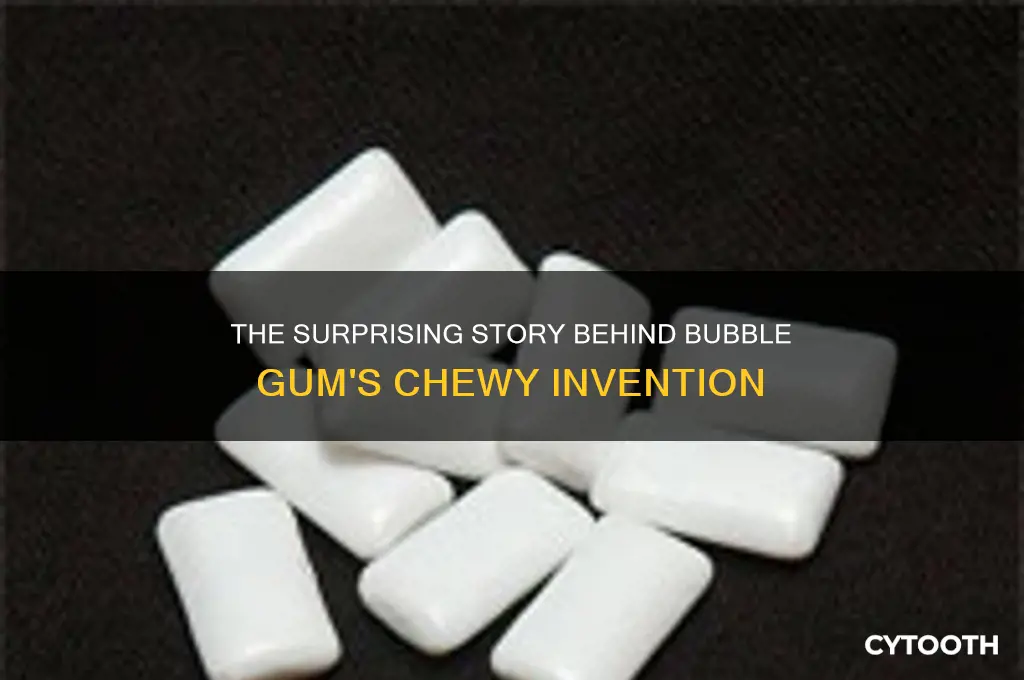
Bubble gum, a beloved treat known for its stretchy texture and ability to form bubbles, was invented in 1928 by Walter E. Diemer, an accountant-turned-inventor at the Fleer Chewing Gum Company in Philadelphia. While experimenting with new gum recipes during his free time, Diemer stumbled upon a unique formulation that was less sticky and more elastic than traditional chewing gum. This accidental discovery, made from a combination of latex, flavoring, and sugar, became the first successful bubble gum. Originally pink because it was the only food coloring available at the factory, Diemer’s creation was initially marketed as Dubble Bubble and quickly became a hit, especially among children. Its invention not only revolutionized the gum industry but also introduced the world to the joy of blowing bubbles, making it a cultural phenomenon that endures to this day.
| Characteristics | Values |
|---|---|
| Inventor | Walter E. Diemer |
| Year Invented | 1928 |
| Company | Fleer Chewing Gum Company |
| Location | Philadelphia, Pennsylvania, USA |
| Original Purpose | To create a less sticky, more stretchable gum for chewing |
| Key Innovation | Developed a unique formulation that allowed for bubble-blowing |
| Initial Name | "Dubble Bubble" |
| Color | Pink (chosen because it was the only food coloring available at the time) |
| Commercial Success | Became an instant hit, especially among children |
| Fun Fact | Walter Diemer was an accountant, not a chemist, at Fleer |
| Patent | No patent was filed for the invention |
| Modern Relevance | Still widely popular and produced today |
What You'll Learn
- Accidental Discovery: Walter Diemer stumbled upon the recipe while experimenting with chewing gum formulas
- Original Recipe: Used a softer, less sticky gum base with added sugar and flavoring
- First Flavor: Pink was the initial color due to leftover dye; flavor was peppermint
- Marketing Strategy: Sold as Dubble Bubble in 1928, priced at one penny
- Popularity Boom: Became a hit during the Great Depression as an affordable treat

Accidental Discovery: Walter Diemer stumbled upon the recipe while experimenting with chewing gum formulas
Walter Diemer, a 23-year-old accountant-turned-gum-maker at the Fleer Chewing Gum Company, wasn’t looking to revolutionize confectionery in 1928. His job was to tinker with existing formulas, not invent something entirely new. Yet, during a routine experiment with gum bases, he accidentally created a batch that was less sticky and more elastic than standard chewing gum. This serendipitous mistake allowed the gum to stretch into larger, more durable bubbles—a quality no other gum at the time possessed. Diemer’s discovery wasn’t the result of a grand plan but rather a happy accident born from curiosity and a willingness to play with ingredients.
To replicate Diemer’s accidental success, consider the key factors that led to his breakthrough. He was working with chicle, a natural gum base, and likely adjusted the ratios of softeners like glycerin or sweeteners like sugar. Modern gum makers can experiment with similar variables: reduce the stickiness by lowering the resin content or increase elasticity by adding more plasticizers. For home experiments, start with a basic gum base (available online) and tweak the recipe in small batches. Add 1-2% glycerin to enhance flexibility, but avoid overdoing it, as too much can make the gum too soft to hold a bubble.
Diemer’s accidental discovery highlights the value of experimentation in innovation. Unlike deliberate inventions, his creation emerged from a process of trial and error, where failure was as important as success. This approach contrasts sharply with today’s goal-oriented R&D, where every step is calculated. For aspiring inventors, the lesson is clear: allow room for play and unexpected outcomes. Sometimes, the most groundbreaking discoveries come not from following a plan but from straying from it.
The impact of Diemer’s bubble gum extended far beyond the lab. Within a year of its introduction, Fleer’s “Dubble Bubble” gum became a cultural phenomenon, complete with a comic strip on the wrapper to appeal to children. Its success wasn’t just in the product but in the experience it offered—blowing bubbles became a universal pastime, bridging age and cultural gaps. Today, bubble gum remains a staple, a testament to how a simple accident can shape decades of joy and creativity.
Discover the Best Spots for Bubble Gum Ice Cream Delights
You may want to see also
Original Recipe: Used a softer, less sticky gum base with added sugar and flavoring
The original recipe for bubble gum was a game-changer, primarily because it used a softer, less sticky gum base. This innovation was crucial in allowing the gum to stretch easily without tearing, a key requirement for blowing bubbles. Traditional chewing gum, often made from chicle, was too firm and brittle for this purpose. By experimenting with synthetic rubber and other pliable materials, inventors like Walter Diemer, a chemist at Fleer, created a base that was both flexible and durable. This softer texture not only enhanced the bubble-blowing experience but also made the gum more enjoyable to chew for extended periods.
Adding sugar and flavoring to this softer base transformed it from a mere novelty into a beloved treat. The sugar served a dual purpose: it sweetened the gum, making it more appealing to taste, and it helped maintain the gum’s texture by preventing it from drying out too quickly. Flavorings, such as fruit essences, were carefully selected to complement the sweetness and create a lasting sensory experience. For example, the iconic pink bubble gum flavor was achieved by combining strawberry, banana, and vanilla notes. This combination became a hallmark of bubble gum, setting it apart from other confectioneries.
To replicate the original recipe at home, start by sourcing a soft, non-sticky gum base. While commercial bases are available, you can experiment with a mixture of glycerin, gum arabic, and a small amount of food-grade rubber for flexibility. Add granulated sugar at a ratio of 30% by weight to the base, ensuring it’s thoroughly mixed to avoid graininess. For flavoring, use 1–2% concentrated liquid flavoring (e.g., strawberry or grape) and a few drops of food coloring for visual appeal. Knead the mixture until it’s smooth, then shape it into small pieces for chewing.
One caution when working with this recipe is balancing the sugar content. Too much sugar can make the gum overly sticky, while too little can cause it to become dry and brittle. Aim for a precise measurement and test small batches before scaling up. Additionally, be mindful of the flavoring’s intensity—strong flavors can overpower the sweetness, so start with a conservative amount and adjust as needed. For children under 5, avoid using small, hard additives like candy pieces, as they pose a choking hazard.
The takeaway from the original bubble gum recipe is its simplicity and focus on texture and taste. By prioritizing a softer base and carefully balancing sugar and flavoring, inventors created a product that remains popular nearly a century later. This approach highlights the importance of understanding the end-user experience—in this case, the joy of blowing bubbles and savoring a sweet, long-lasting chew. Whether you’re a hobbyist or a professional, mastering this recipe offers valuable insights into the art of confectionery innovation.
Dog Ate Bubble Gum? Potential Dangers and Immediate Steps to Take
You may want to see also
First Flavor: Pink was the initial color due to leftover dye; flavor was peppermint
The first bubble gum emerged in a surprisingly practical, almost accidental manner: pink was the initial color simply because it was the only dye available at the time, a leftover from other production runs. This choice, far from being a deliberate aesthetic decision, highlights the resourcefulness of its inventor, Walter Diemer. The flavor, peppermint, was equally pragmatic, likely selected for its widespread availability and familiarity. This combination of pink and peppermint wasn’t a marketing strategy but a testament to making do with what was on hand, a principle that often drives innovation in unexpected ways.
Consider the implications of this approach for modern product development. When resources are limited, creativity thrives. Diemer’s use of leftover dye and a common flavor didn’t hinder success; it became part of the product’s identity. For entrepreneurs or creators today, this serves as a reminder: constraints can be catalysts. Instead of waiting for the perfect materials or conditions, assess what’s readily available and reimagine its potential. The first bubble gum wasn’t born from luxury but from necessity, proving that innovation often starts with what’s already in front of you.
From a sensory perspective, the pairing of pink and peppermint created a unique experience that transcended its humble origins. Pink, though accidental, became synonymous with bubble gum, shaping consumer expectations for generations. Peppermint, while not groundbreaking, offered a refreshing, familiar taste that appealed to a broad audience. This combination underscores the power of sensory associations in product design. Even when choices are limited, the interplay of color and flavor can create a lasting impression. For anyone developing a product, this is a lesson in leveraging what’s available to craft a memorable sensory profile.
Finally, the story of the first bubble gum’s flavor and color offers a practical takeaway for problem-solving. When faced with limitations, focus on functionality and adaptability. Diemer didn’t let the absence of ideal materials stop him; he worked with what he had and created something iconic. This mindset is applicable beyond product development—whether in business, art, or daily life. Embrace constraints as opportunities, and you might just invent something as enduring as pink, peppermint bubble gum.
Best Bubble Gum for School Kids: Fun, Safe, and Parent-Approved Choices
You may want to see also
Marketing Strategy: Sold as Dubble Bubble in 1928, priced at one penny
The marketing strategy behind Dubble Bubble in 1928 was a masterclass in affordability and accessibility. Priced at just one penny, it democratized a novelty product, making it within reach of children from all socioeconomic backgrounds. This pricing strategy wasn’t just about profit margins; it was about creating a cultural phenomenon. A penny was pocket change, often found on sidewalks or in couch cushions, ensuring that even the youngest consumers could participate in the bubble-blowing craze. This low barrier to entry turned Dubble Bubble into a ubiquitous treat, fostering widespread adoption and loyalty from its target audience.
Consider the psychological impact of such pricing. A penny felt insignificant to parents, who were more likely to indulge their children’s requests without hesitation. For kids, it represented autonomy—the ability to make a purchase independently, no adult intervention required. This dynamic transformed Dubble Bubble into more than just gum; it became a symbol of childhood freedom and a small but meaningful transaction that empowered young consumers. The one-penny price point wasn’t arbitrary—it was a calculated move to embed the product into the fabric of daily life.
Contrast this with modern marketing strategies, where premium pricing often dominates. Dubble Bubble’s approach was the opposite: it prioritized volume over margin, betting on the sheer scale of sales to drive profitability. This model worked because it aligned with the product’s purpose—a fun, disposable treat rather than a luxury item. By focusing on affordability, the brand ensured that bubble gum became a staple in candy stores, grocery checkouts, and schoolyards, creating a constant demand that sustained its success for decades.
For marketers today, the Dubble Bubble case study offers a valuable lesson in understanding your audience. The strategy wasn’t just about selling gum; it was about selling an experience—the joy of blowing bubbles, the thrill of making a purchase, and the social currency of sharing with friends. Practical tip: When targeting a young audience, consider pricing that removes friction. A product priced at a dollar might require parental approval, but a quarter or less? That’s a decision a child can make on their own, fostering a direct connection between the brand and its youngest consumers.
Finally, the legacy of Dubble Bubble’s one-penny pricing extends beyond its time. It set a precedent for how novelty products could be marketed, influencing everything from trading cards to small toys. The takeaway? Sometimes, the most effective marketing strategy isn’t about maximizing profit per unit but about maximizing reach and cultural impact. By making Dubble Bubble affordable, the brand didn’t just sell gum—it sold a piece of childhood, one penny at a time.
Can Bubble Gum Harm Prairie Dogs? Uncovering the Truth and Risks
You may want to see also
Popularity Boom: Became a hit during the Great Depression as an affordable treat
The Great Depression was a time of economic hardship, but amidst the struggles, a small, sticky delight emerged as a symbol of affordable joy: bubble gum. While many luxuries became unattainable, bubble gum offered a five-cent escape, a fleeting moment of sweetness and fun. Its rise wasn’t just about taste; it was about accessibility. At a time when families were cutting corners, a nickel could buy a pack of gum, providing a simple yet effective distraction from the weight of the world. This affordability was its superpower, turning it into a cultural phenomenon that transcended age and class.
Consider the psychology behind its success. Bubble gum wasn’t just a treat; it was an activity. Blowing bubbles became a form of entertainment, a mini-game that required no additional tools or setup. For children, it was a way to compete with friends, showing off the biggest or longest-lasting bubble. For adults, it was a nostalgic reminder of simpler times, a small indulgence that didn’t break the bank. This dual appeal—affordable and engaging—made it a hit across generations, cementing its place in Depression-era culture.
From a marketing perspective, bubble gum’s popularity boom was a masterclass in timing and positioning. Companies like Fleer and later Dubble Bubble capitalized on the economic climate by emphasizing value. A nickel pack often contained multiple pieces, ensuring prolonged enjoyment. Advertisements targeted both parents and children, highlighting gum’s ability to provide “hours of fun” for minimal cost. This strategy resonated deeply during a period when every penny counted, turning bubble gum into a staple of Depression-era households.
Practical tips for replicating this success in modern contexts? Focus on value and engagement. Products that offer both affordability and interactivity—think DIY kits, snack packs with games, or low-cost entertainment items—can tap into the same psychological appeal. For instance, a $2 puzzle or a $3 pack of stickers with collectible elements could mirror bubble gum’s dual role as treat and activity. The key is to provide a sense of escape and enjoyment without straining budgets, a lesson learned from bubble gum’s Depression-era triumph.
In retrospect, bubble gum’s popularity boom wasn’t just about its sticky, sugary charm; it was about its ability to meet the moment. It understood the needs of its time—affordability, distraction, and joy—and delivered them in a tiny, chewable package. This isn’t just a history lesson; it’s a blueprint for creating products that resonate during challenging times. By prioritizing value and engagement, even the simplest items can become cultural icons, leaving a lasting legacy far beyond their humble beginnings.
The Surprising History of Bubble Gum: When It Was First Made
You may want to see also
Frequently asked questions
Bubble gum was invented by Walter E. Diemer, an accountant at the Fleer Chewing Gum Company, in 1928.
Diemer was experimenting with gum recipes during his free time at Fleer and accidentally created a less sticky, more flexible gum that could stretch into bubbles.
The original name of Diemer’s invention was "Dubble Bubble" because of its ability to stretch into large bubbles.
Bubble gum was invented as a cost-effective alternative to regular chewing gum during the Great Depression. It was cheaper to produce and offered a fun, novel experience.
Bubble gum is less sticky, more elastic, and designed specifically for blowing bubbles, whereas regular chewing gum is firmer and less stretchy.