Olivia Bennett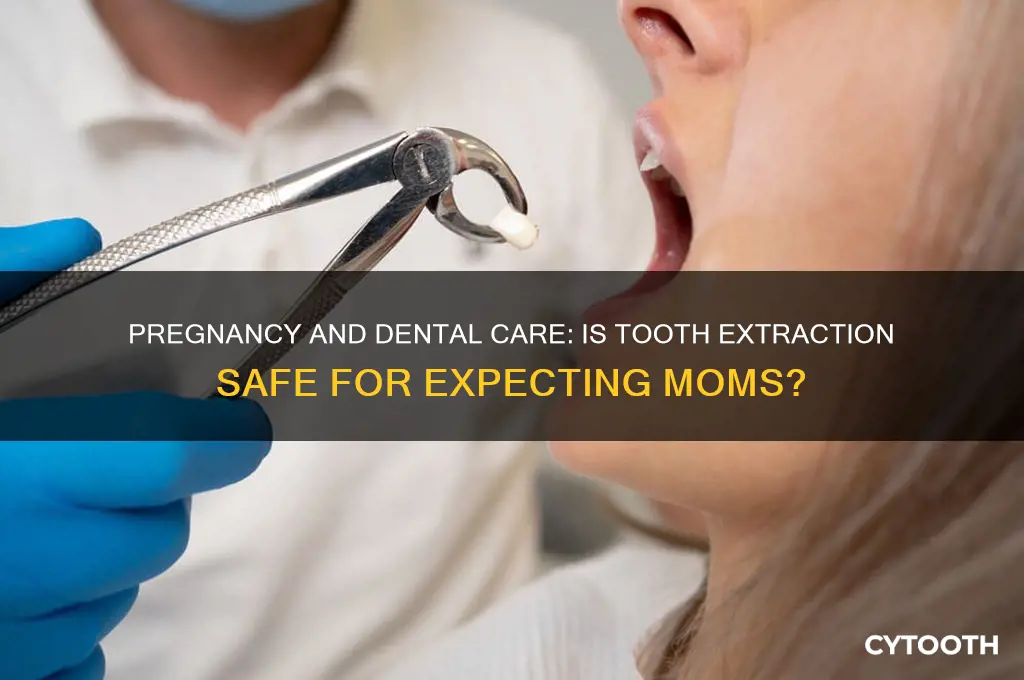
Pregnancy often raises concerns about various medical procedures, including dental treatments like tooth extractions. Many expectant mothers wonder if it’s safe to have a tooth removed while pregnant, as dental issues such as severe decay, infection, or gum disease can arise during this time. While pregnancy itself doesn’t necessarily increase the risk of dental problems, hormonal changes can exacerbate existing conditions, making timely treatment essential. The safety of a tooth extraction during pregnancy depends on several factors, including the trimester, the severity of the dental issue, and the overall health of the mother and baby. Dentists typically avoid elective procedures during the first and third trimesters but may proceed with necessary treatments during the second trimester, using local anesthesia and taking precautions to minimize risks. Always consult with both your dentist and obstetrician to weigh the benefits and risks before proceeding with any dental procedure during pregnancy.
| Characteristics | Values |
|---|---|
| Safety | Generally considered safe during pregnancy, especially in the second trimester (4-6 months). Elective procedures are best avoided in the first and third trimesters. |
| Anesthesia | Local anesthesia (e.g., lidocaine) is safe during pregnancy. Avoid general anesthesia unless absolutely necessary. |
| Pain Management | Acetaminophen (Tylenol) is the preferred pain reliever during pregnancy. Avoid NSAIDs like ibuprofen, especially in the third trimester. |
| Infection Risk | Tooth extraction can increase the risk of infection, which may pose risks to the pregnancy. Antibiotics may be prescribed if necessary. |
| X-rays | Dental X-rays are generally safe during pregnancy with proper shielding, but they are often avoided unless essential. |
| Hormonal Changes | Pregnancy hormones can increase gum sensitivity and risk of gum disease, which may complicate extractions. |
| Consultation | Always consult with both your dentist and obstetrician before proceeding with any dental procedure during pregnancy. |
| Emergency Cases | Tooth extraction is recommended if there is a severe infection or pain that cannot be managed otherwise, as untreated infections can harm the pregnancy. |
| Post-Procedure Care | Follow strict oral hygiene and avoid strenuous activity to promote healing and reduce infection risk. |
| Alternative Treatments | Non-invasive treatments (e.g., antibiotics, pain management) are preferred over extractions whenever possible. |
What You'll Learn

Safety of dental procedures during pregnancy
Pregnancy often complicates routine medical decisions, and dental care is no exception. While maintaining oral health is crucial during this period, concerns about the safety of procedures like tooth extraction arise. The American Dental Association (ADA) and the American Congress of Obstetricians and Gynecologists (ACOG) generally agree that dental treatments, including extractions, can be performed safely during pregnancy, particularly during the second trimester. This period is considered optimal because the first trimester is critical for fetal development, and the third trimester may pose discomfort due to the mother’s positioning. However, emergencies, such as severe infections or abscesses, may necessitate immediate intervention regardless of the trimester, as untreated dental issues can pose greater risks to both mother and fetus.
Elective procedures, like cosmetic dentistry, are typically deferred until after pregnancy to minimize potential risks. For necessary treatments, local anesthetics like lidocaine are commonly used and deemed safe, as they do not significantly cross the placenta. However, dentists often avoid epinephrine-containing anesthetics, especially in the first trimester, due to theoretical concerns about fetal heart rate changes. Antibiotics may be prescribed if infection is present, with penicillin, amoxicillin, and clindamycin being preferred choices due to their safety profiles during pregnancy. It’s essential to inform your dentist about your pregnancy and any medications you’re taking to ensure tailored, safe care.
Pain management during dental procedures requires careful consideration. Over-the-counter medications like acetaminophen are generally safe for pregnant women, but ibuprofen and aspirin should be avoided, particularly in the third trimester, as they can affect fetal development and prolong labor. For more severe pain, consult your healthcare provider for appropriate alternatives. Additionally, preventive measures, such as regular brushing, flossing, and dental check-ups, can reduce the need for invasive procedures during pregnancy. Maintaining a balanced diet low in sugar and high in nutrients like calcium and vitamin D also supports oral health.
Finally, communication between your dentist and obstetrician is key to ensuring safe dental care during pregnancy. Your dentist may request clearance from your obstetrician before proceeding with certain treatments, especially if you have complications like gestational diabetes or preeclampsia. Post-procedure, monitor for any unusual symptoms, such as persistent bleeding, swelling, or signs of infection, and report them immediately. By prioritizing both oral and overall health, you can navigate dental procedures during pregnancy with confidence and minimal risk.
Pregnancy and Dental Care: Is It Safe to Fill a Tooth?
You may want to see also
Anesthesia options for pregnant patients
Pregnant patients requiring dental procedures, such as tooth extractions, often face concerns about anesthesia safety. The primary goal is to minimize risk to both mother and fetus while ensuring effective pain management. Local anesthetics, particularly lidocaine with epinephrine (1:100,000), are generally considered safe during pregnancy. The American Dental Association and the American Congress of Obstetricians and Gynecologists endorse their use, as studies show no increased risk of fetal harm when administered in standard doses. However, the epinephrine concentration should be carefully monitored, as higher doses may affect uteroplacental blood flow.
When local anesthesia is insufficient, nitrous oxide (laughing gas) may be considered for analgesia. Its use in pregnancy remains controversial, but recent guidelines suggest it can be administered in the second trimester with proper ventilation and monitoring. The gas is rapidly eliminated from the body, reducing fetal exposure. Pregnant patients should discuss the risks and benefits with their dentist and obstetrician, as individual health conditions may influence suitability.
For more complex procedures requiring deeper sedation, intravenous anesthesia with drugs like propofol or midazolam may be necessary. Propofol, a short-acting sedative, is often preferred due to its rapid metabolism and minimal placental transfer. Midazolam, a benzodiazepine, is used cautiously, as it can cross the placenta and potentially affect the fetus. Both options require close monitoring by an anesthesiologist experienced in managing pregnant patients.
Non-pharmacological alternatives, such as acupuncture or cognitive behavioral techniques, can complement anesthesia for pain management. While these methods may not replace traditional anesthesia, they can reduce anxiety and the need for higher drug doses. Pregnant patients should explore these options with their healthcare providers to create a tailored pain management plan.
In summary, anesthesia options for pregnant patients undergoing dental procedures are available and generally safe when administered by experienced professionals. Local anesthetics with lidocaine and nitrous oxide are first-line choices, while intravenous sedation is reserved for specific cases. Always consult with both dental and obstetric specialists to ensure the best outcome for both mother and fetus.
Risks of tooth extraction in pregnancy
Pregnancy complicates even routine medical procedures, and tooth extraction is no exception. While dental health is crucial during this period, removing a tooth introduces risks that must be carefully weighed. The primary concern is the potential for infection, which can spread rapidly and affect both mother and fetus. Bacterial infections in the oral cavity, if left untreated, can lead to systemic issues such as sepsis or preterm labor. Additionally, the stress of surgery and anesthesia can trigger physiological responses that may impact fetal development.
Anesthesia is a critical factor in tooth extraction, and its use during pregnancy requires meticulous consideration. Local anesthetics like lidocaine are generally considered safe in limited doses, but their effects on fetal growth and development are not entirely understood. The American Dental Association recommends avoiding elective procedures during the first trimester, when organogenesis is most vulnerable. If extraction is unavoidable, the second trimester is often deemed the safest window, as the fetus is more developed, and the mother’s discomfort is minimized. Always consult with both your dentist and obstetrician to determine the safest anesthesia type and dosage.
Post-extraction complications pose another layer of risk. Dry socket, a painful condition where the blood clot at the extraction site dislodges, occurs in up to 5% of cases and can prolong recovery. Pregnant women may also experience heightened bleeding due to increased blood volume and hormonal changes affecting clotting mechanisms. To mitigate these risks, follow strict aftercare instructions: avoid rinsing vigorously for 24 hours, refrain from smoking or using straws, and maintain a soft diet. Elevating the head while resting can also reduce swelling and bleeding.
Pain management during pregnancy adds further complexity. Nonsteroidal anti-inflammatory drugs (NSAIDs) like ibuprofen are typically avoided after the first trimester due to potential risks of fetal ductus arteriosus constriction. Acetaminophen is often the preferred alternative, but even this should be used sparingly and under medical supervision. Cold compresses and mild rinses with warm salt water can provide natural relief without medication. Always prioritize non-pharmacological methods to manage discomfort whenever possible.
Ultimately, the decision to proceed with a tooth extraction during pregnancy hinges on the severity of the dental issue and the potential consequences of delaying treatment. Severe infections or abscesses may necessitate immediate intervention to prevent systemic complications. However, minor issues like mild decay or cosmetic concerns should be postponed until after delivery. Pregnant individuals must engage in open dialogue with their healthcare providers, balancing dental health needs with fetal safety to make an informed choice.
Best trimester for dental surgery
Pregnancy complicates even the simplest health decisions, and dental surgery is no exception. While tooth extraction during pregnancy isn’t ideal, it’s sometimes necessary to address severe pain, infection, or other urgent issues. The question of timing—specifically, which trimester is safest—requires careful consideration of fetal development, maternal comfort, and procedural risks.
First Trimester: Proceed with Caution
The first trimester is generally considered the riskiest period for dental surgery. During this stage, the fetus undergoes critical organ development, and exposure to anesthesia, medications, or stress could pose theoretical risks. While no definitive evidence links dental procedures to birth defects, many dentists and obstetricians advise postponing non-emergency treatments until later in pregnancy. If extraction is unavoidable, local anesthesia (e.g., lidocaine without epinephrine) is preferred, and X-rays should be shielded to minimize radiation exposure.
Second Trimester: The Optimal Window
The second trimester (weeks 14–26) is widely regarded as the safest time for dental surgery, including tooth extractions. By this stage, the fetus’s major organs have developed, and the risk of miscarriage has decreased. Maternal comfort is also better compared to the third trimester, as nausea has typically subsided, and mobility is less restricted. Dentists can use local anesthesia safely, and procedures like extractions or root canals can be performed with minimal risk. However, always consult your obstetrician before proceeding, and ensure your dentist is aware of your pregnancy to tailor the treatment accordingly.
Third Trimester: Avoid if Possible
The third trimester is the least ideal time for dental surgery due to increased maternal discomfort and potential complications. Lying in a dental chair for extended periods can restrict blood flow and cause dizziness or back pain. Additionally, there’s a risk of premature labor or difficulty managing pain post-procedure. If extraction is urgent, it should be done in a hospital setting with obstetric supervision. Avoid general anesthesia, and opt for minimal sedation if necessary.
Practical Tips for Pregnant Patients
Regardless of the trimester, communication is key. Inform your dentist and obstetrician about your pregnancy and any medications you’re taking. Use a lead apron during X-rays, and request antibiotics (if needed) that are pregnancy-safe, such as amoxicillin or clindamycin. Maintain excellent oral hygiene to prevent issues, and address dental concerns early to avoid emergencies.
In summary, while dental surgery during pregnancy isn’t ideal, the second trimester offers the best balance of safety and comfort for both mother and baby. Always prioritize consultation with your healthcare providers to make an informed decision tailored to your specific needs.
Post-extraction care for pregnant women
Pregnant women who undergo tooth extraction require tailored post-extraction care to ensure both maternal and fetal well-being. Unlike non-pregnant individuals, hormonal changes during pregnancy can affect healing and increase the risk of infection. Therefore, a meticulous approach to aftercare is essential to minimize complications.
Pain Management and Medication Safety
Acetaminophen (Tylenol) is the preferred pain reliever for pregnant women, as it is considered safe when used at recommended doses (no more than 3,000 mg per day). Nonsteroidal anti-inflammatory drugs (NSAIDs) like ibuprofen should be avoided, especially during the third trimester, due to potential risks to fetal development. Always consult a healthcare provider before taking any medication, even over-the-counter options.
Oral Hygiene Modifications
Gentle oral care is critical to prevent infection at the extraction site. Avoid vigorous rinsing or spitting for the first 24 hours post-extraction to prevent dislodging the blood clot. After this period, rinse with a warm saltwater solution (1/2 teaspoon of salt in 8 ounces of water) twice daily. Use a soft-bristled toothbrush and avoid the extraction area for the first few days to prevent irritation.
Dietary Considerations
A soft, nutrient-rich diet supports healing without compromising the extraction site. Opt for foods like yogurt, mashed potatoes, smoothies, and well-cooked vegetables. Avoid hot, spicy, or crunchy foods that could irritate the wound or increase bleeding. Stay hydrated with water, but refrain from using straws, as the suction can disrupt the healing process.
Monitoring for Complications
Pregnant women should watch for signs of infection, such as persistent pain, swelling, fever, or foul-tasting discharge. Prolonged bleeding (more than 24 hours) or severe pain warrants immediate dental or medical attention. Regular follow-ups with the dentist are crucial to ensure proper healing and address any concerns promptly.
By adhering to these specific post-extraction care guidelines, pregnant women can navigate the recovery process safely, prioritizing both their oral health and the health of their unborn child.
Frequently asked questions
In most cases, it is safe to have a tooth removed during pregnancy, especially if it is necessary to address an infection or severe pain. However, it’s best to schedule the procedure during the second trimester when risks are lower. Always consult your dentist and obstetrician for personalized advice.
Local anesthesia, such as lidocaine, is generally considered safe during pregnancy when used in standard doses. However, it’s important to inform your dentist about your pregnancy so they can choose the safest option and minimize risks.
If the tooth issue is minor and not causing pain or infection, it may be advisable to wait until after pregnancy. However, if the problem is severe or poses a risk to your health, delaying treatment could be more harmful. Always weigh the risks and benefits with your healthcare providers.